The Cleveland Museum of Art Acquires Masterpiece
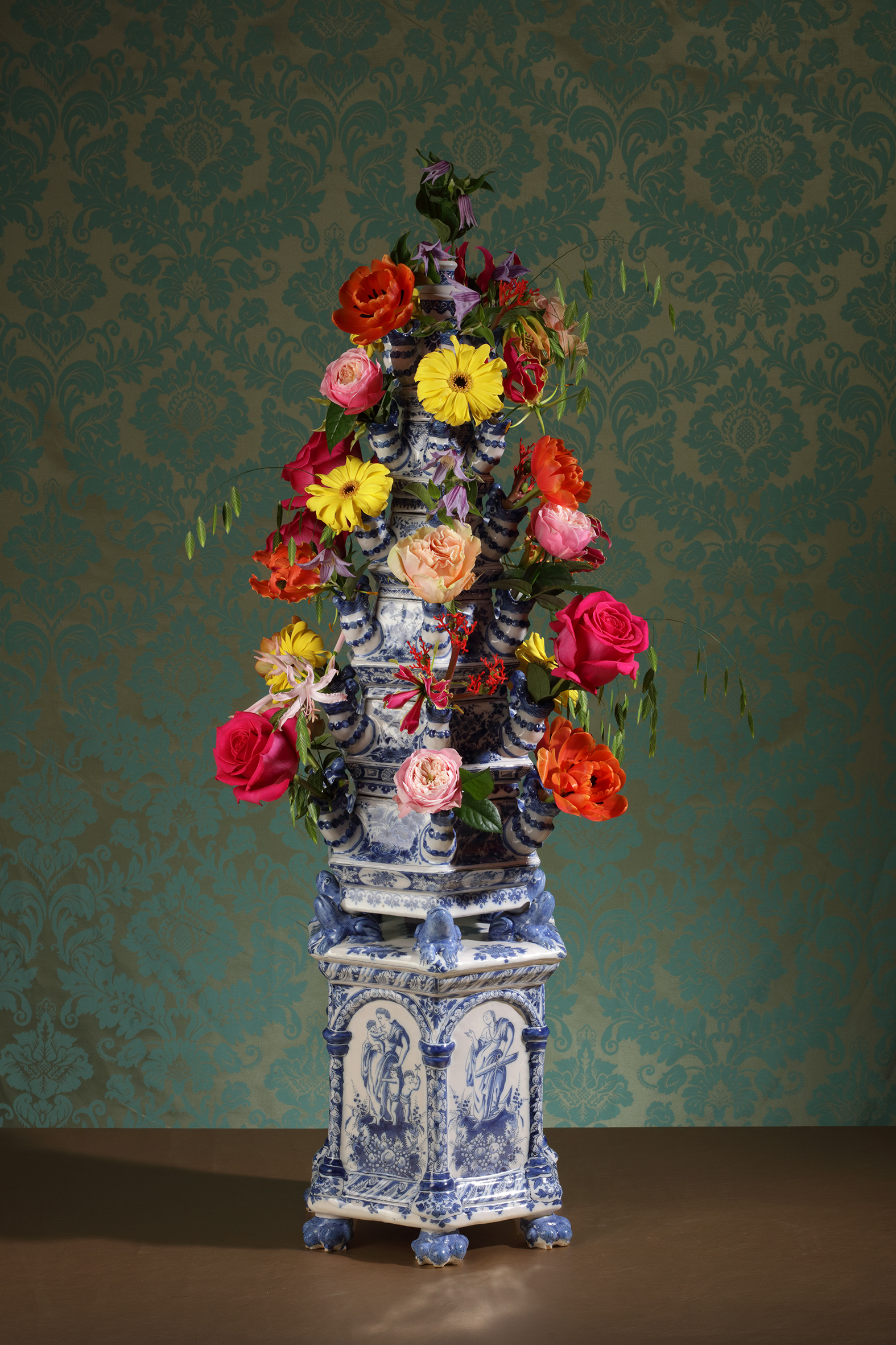
The Cleveland Museum of Art Acquires Masterpiece We are delighted to announce that a magnificent blue and white pyramidal flower vase, attributed to Adrianus Kocx of the renowned De Grieksche A (The Greek A) factory, has been acquired by The Cleveland Museum of Art. This…
World famous
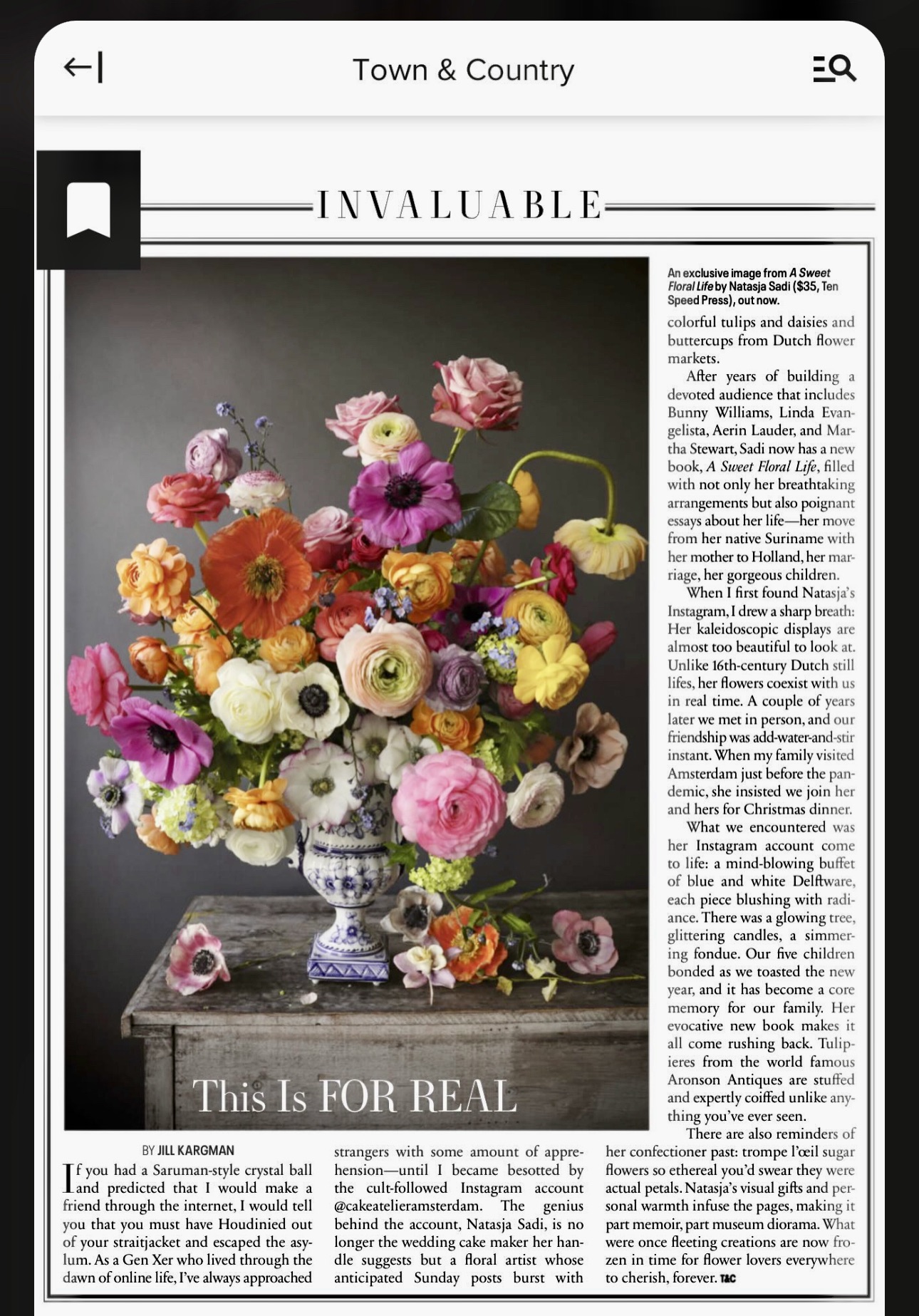
Tulipieres from the world famous Aronson Antiques are stuffed and expertly coiffed unlike anything you've ever seen." — By Jill Kargman, discussing the new book 'A Sweet Floral Life' by Natasja Sadi. [link to video]
The Delft Blue Detective
Toen Robert Aronson ontdekte dat er naast het antieke Delfts blauwe beeldje van Queen Mary ook een King William bleek te bestaan, ontplofte hij bijna van opwinding, maar hij zei niets, behalve, zo zacht als hij kon: ‘eureka’. In het diepste geheim stuurde hij zijn…
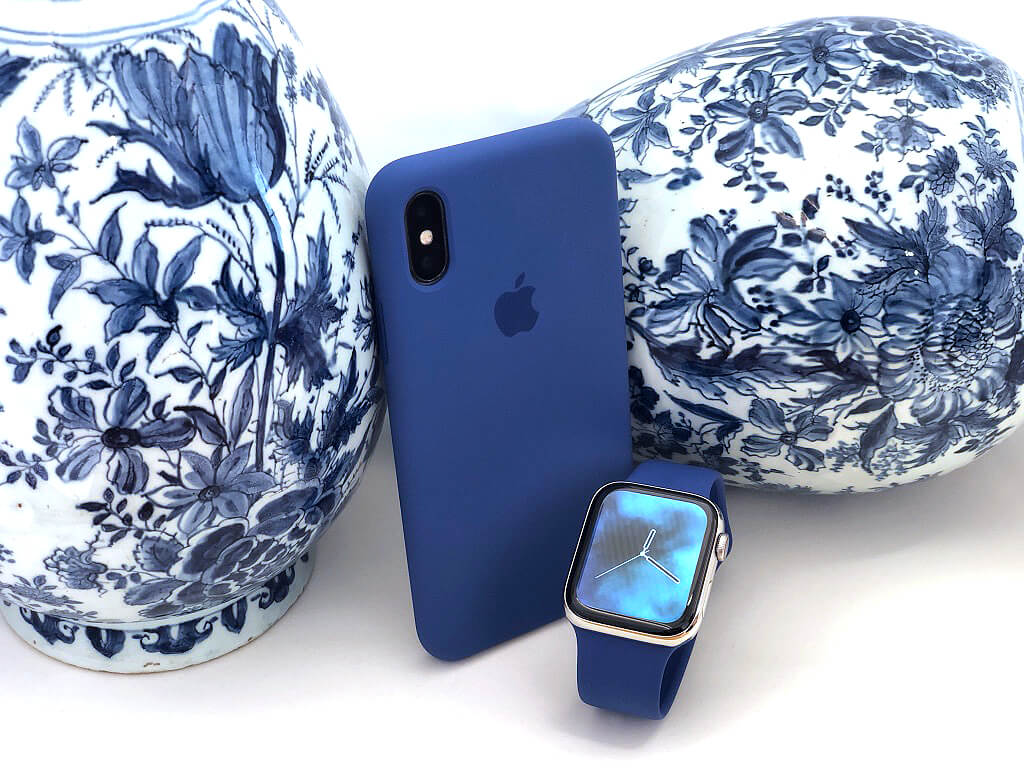
Apple Announces ‘Delft Blue’ Products
Amsterdam, April 1, 2019 Apple releases Spring 2019 iPhone cases and watch bands with ‘Delft Blue’ color in the lead. "We have long been great fans of Apple products, it is now nice to see that Apple draws inspiration from us too." (Link to original…

When Delftware inspires: “Guo Pei: Couture Beyond”
Look at this blue and white dress in the exhibition ‘Guo Pei: Couture Beyond.’ Organized by the Vancouver Art Gallery in collaboration with Atlanta’s SCAD FASH Museum of Fashion + Film, this exhibition features more than forty breathtaking designs by China’s foremost couturière. GuopeiSCAD FASH Museum of…
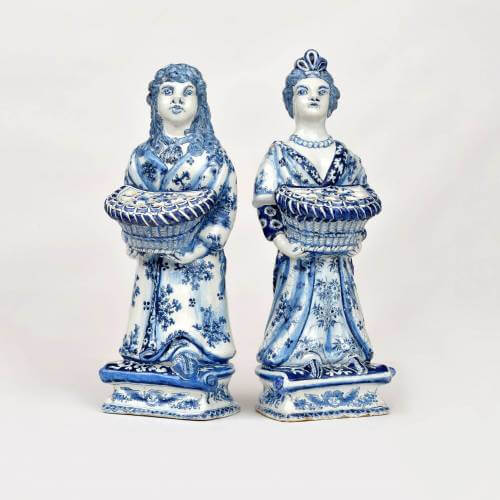
Meet William and Mary at the Kröller-Müller Museum’s exhibition “Als kunst je lief is”
The Kröller-Müller Museum and the Rembrandt Association are jointly organizing the exhibition ‘Als kunst je lief is’ (For the love of art). For this occasion more than 80 works from 40 museums, which were acquired with the support of the Rembrandt Association in the period…

Marcel Wanders launches a limited edition of Delftware Mickey Mouse figures
Dutch Delftware will never cease to inspire. For the 90th anniversary of Mickey Mouse, the designer Marcel Wanders re-interprets the ancient Delft Blue technique in a contemporary way. The piece is made entirely by hand in the brand’s historic atelier in Normandy, France. Only eight copies, all…
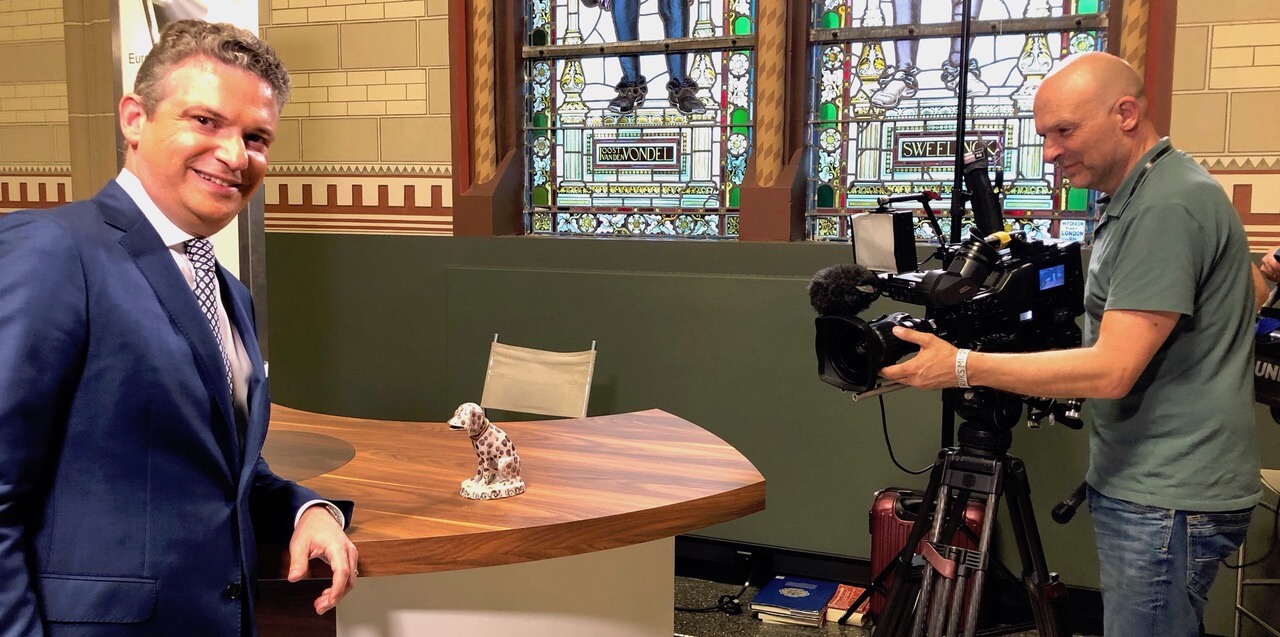
Soon on the Dutch Antiques Roadshow, Tussen Kunst & Kitsch
During the first weekend of June 2018 we recorded the anniversary edition of the Dutch version of the Antiques Roadshow ‘Tussen Kunst & Kitsch.’ To celebrate the start of the 35th season, the shoot took place at the Gallery of Honor of the Rijksmuseum in…
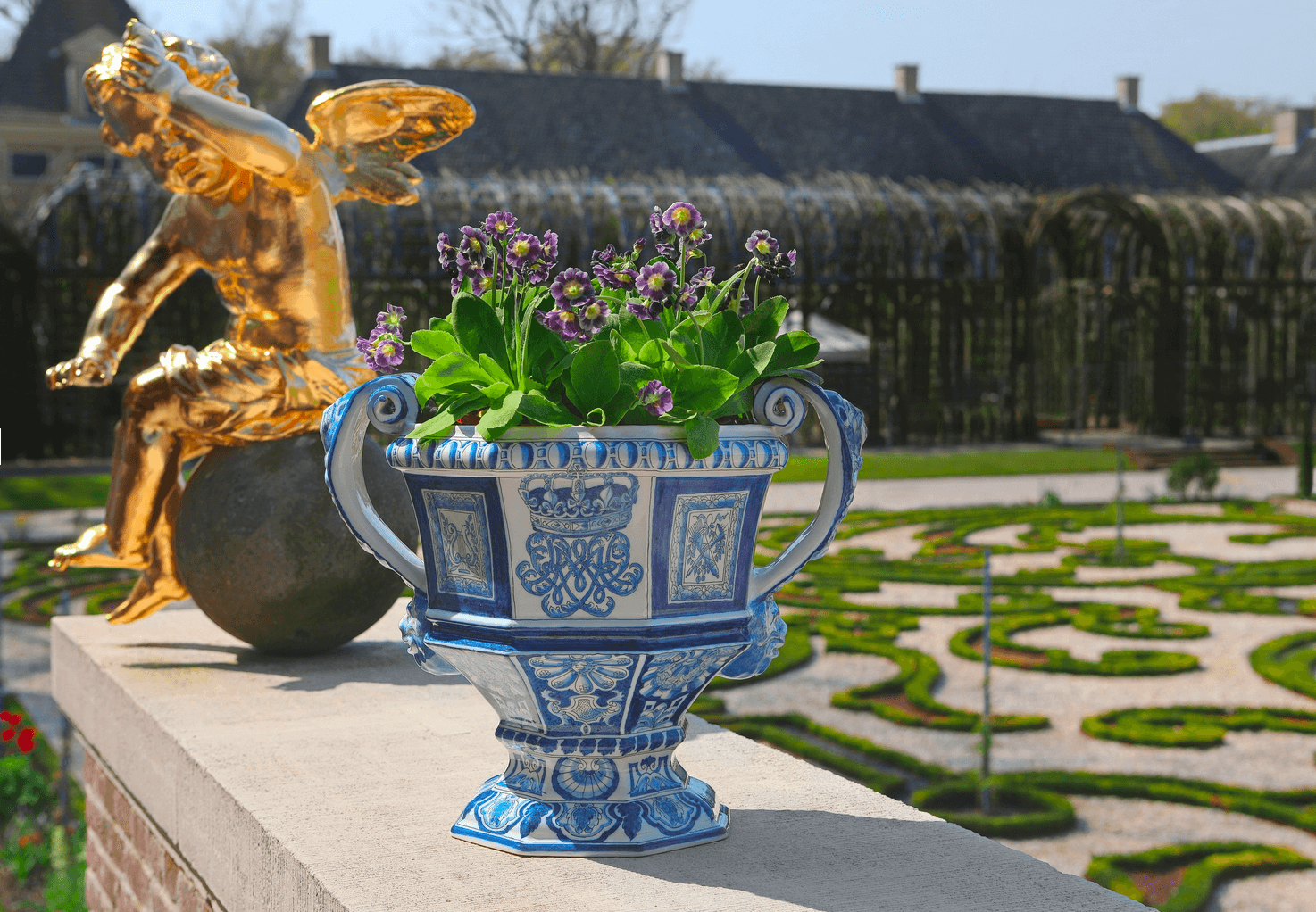
From June 1st, Rendez-vous in the gardens of the Paleis Het Loo
From 1 June till 30 September From June 1st, the beautiful replicas of Dutch Delftware vases are back in the gardens of the palace. The vases are produced based on three existing authentic vases, that were made in the 17th century for the first residents of…
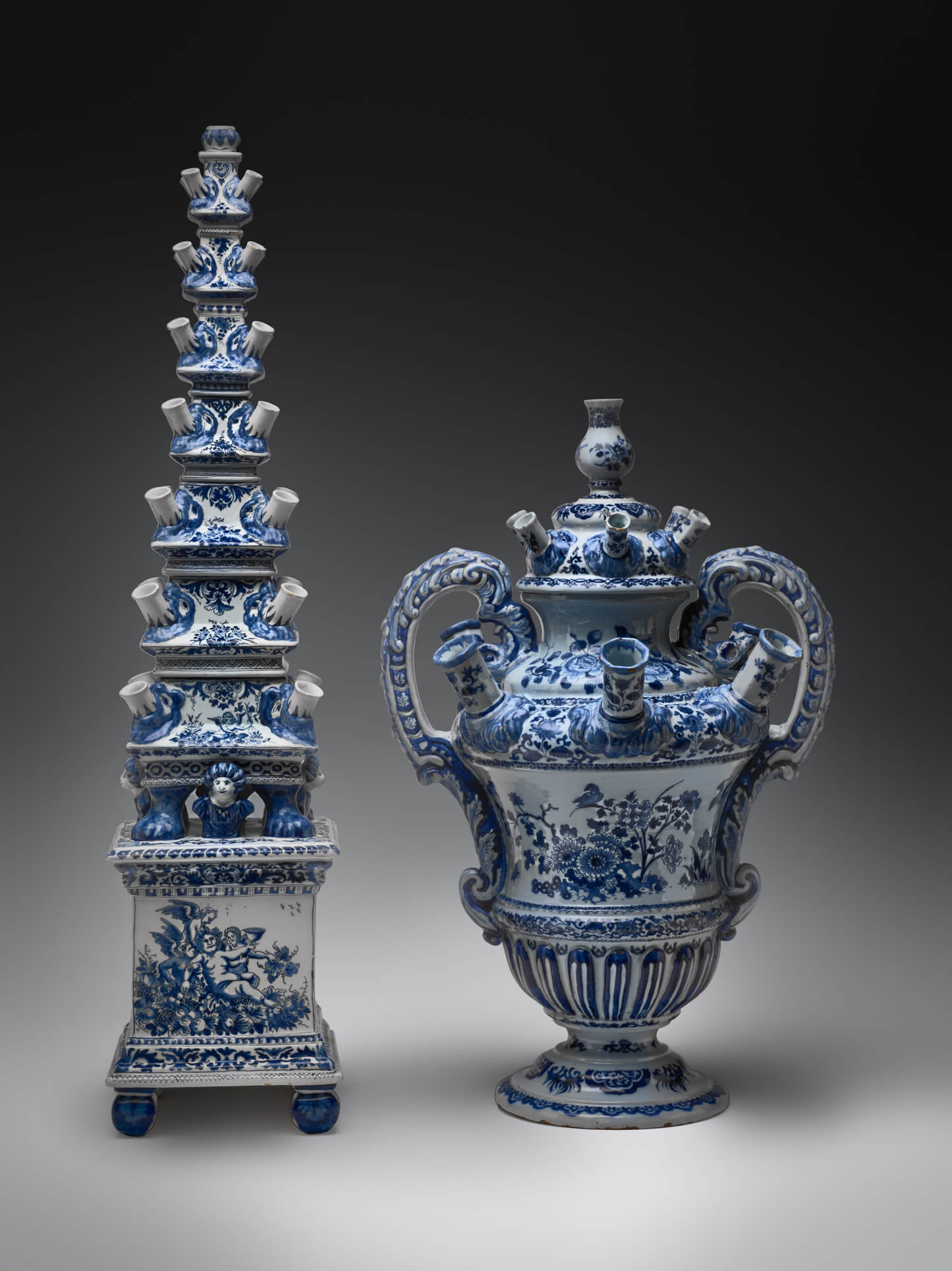
Made in Holland at the Keramiekmuseum Princessehof
From 2 June 2018 till 30 June 2019 With Made in Holland: 400 years a global brand, the Princessehof presents a high-profile exhibition on four Dutch success stories: Delft Blue, Maastricht pottery, Art Nouveau ceramics and Dutch Design. By means of impressive flower pyramids, colorful Boerenbont, popular Gouda pottery…
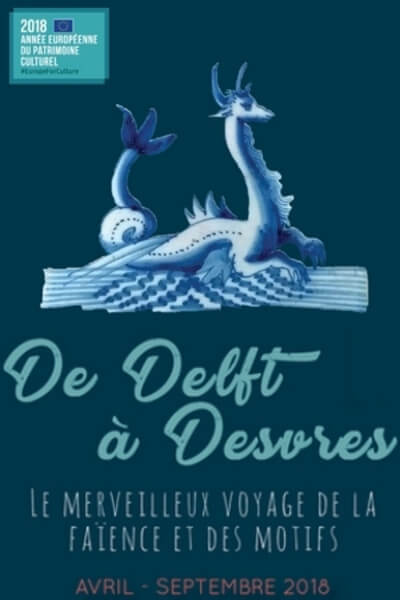
From Delft to Desvres, an unprecedented exhibition in the North of France
From April to September 2018, six exhibitions in the North of France will make you travel! These six museums teamed up to tell the visitor about the marvelous travel of faience and its motifs. Each exhibition will unveil a part of the Northern Europe faience’s…
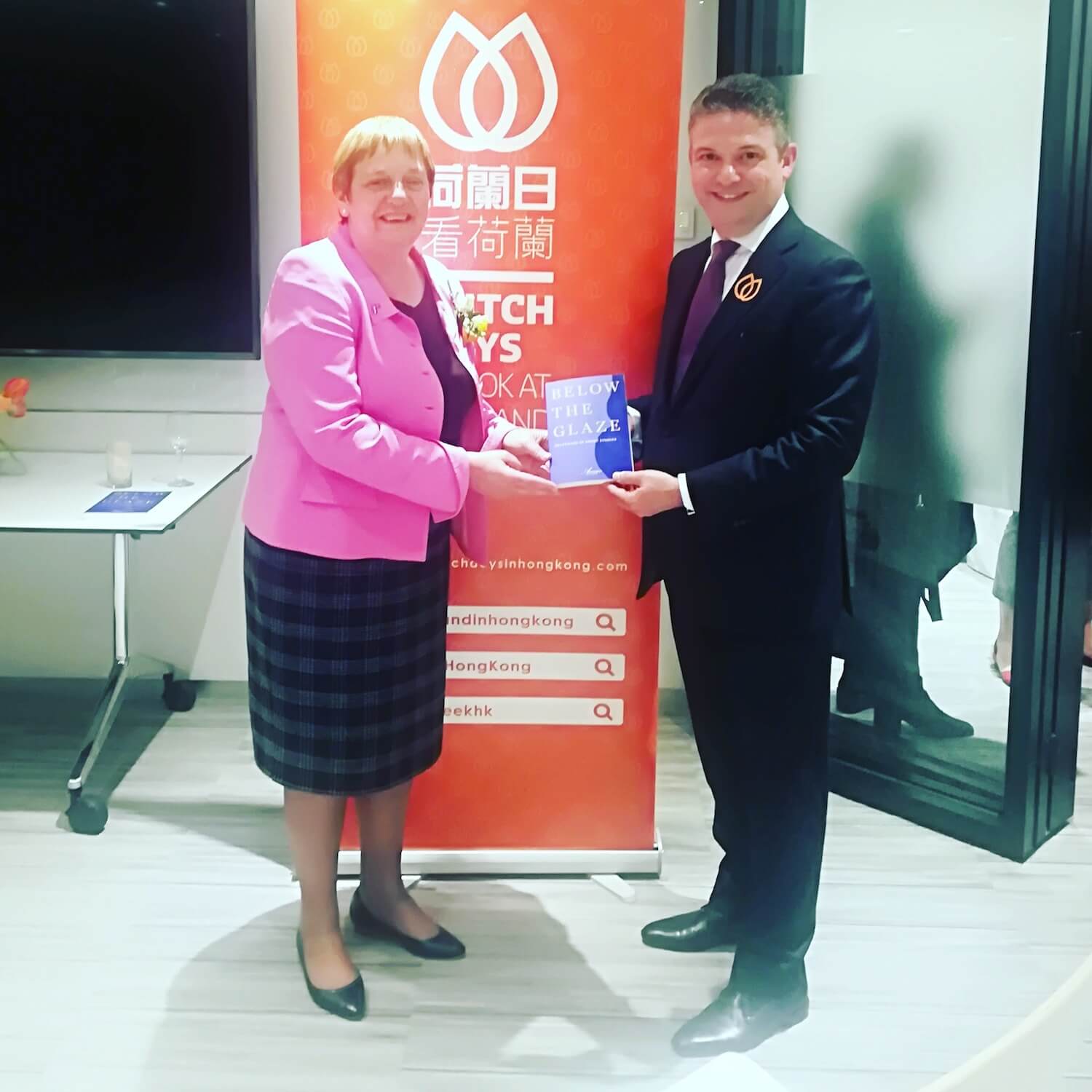
Promoting Delftware in Hong Kong
During a short and fruitful trip to Hong Kong in the second week of April Robert Aronson met with several collectors and museum curators. On Monday April 9th he attended a reception with Dutch entrepreneurs at the gorgeous Residence of the Consul General of the…
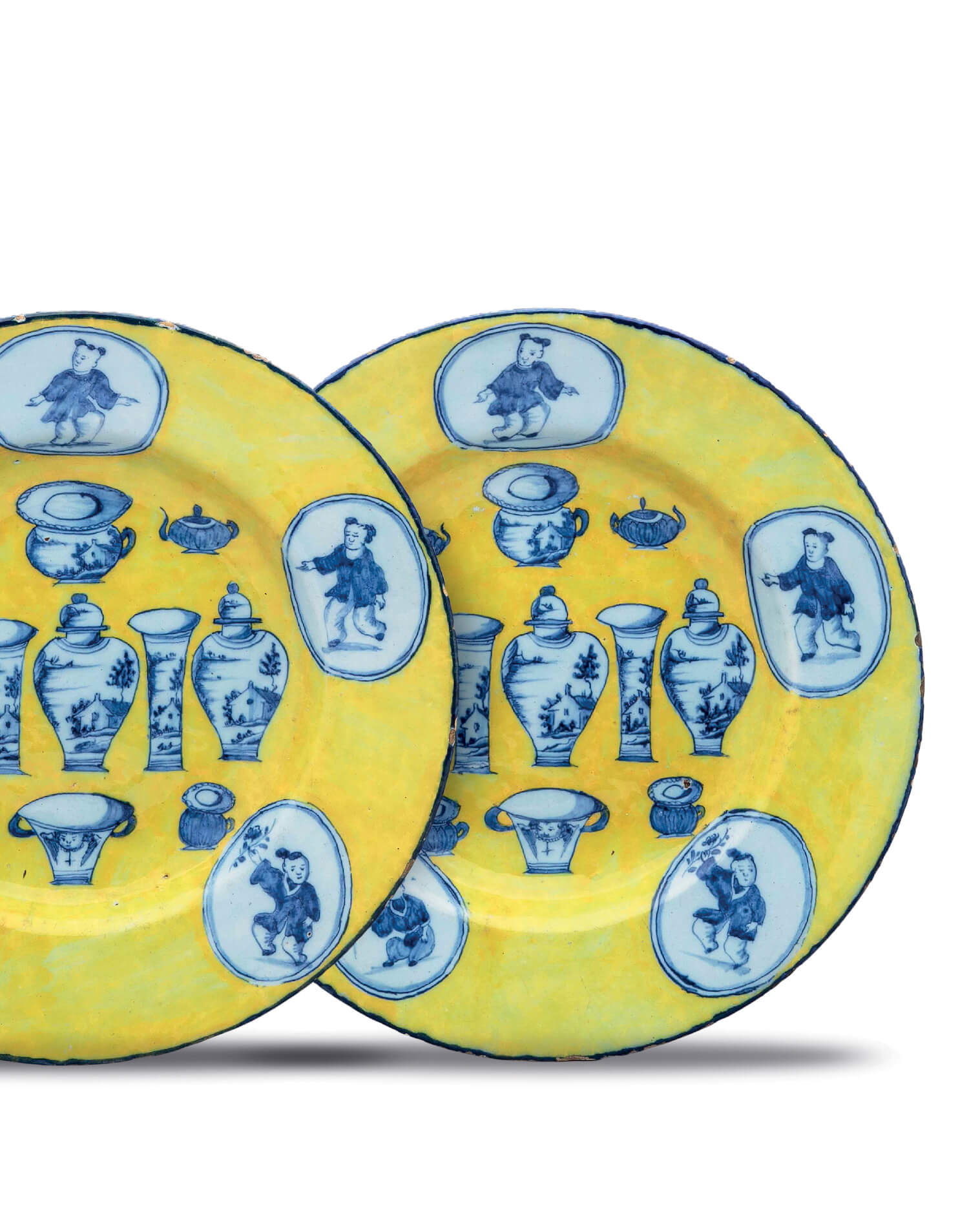
Aronson Antiquairs at TEFAF Maastricht 2018
Aronson Antiquairs will be presenting their 2018 collection at TEFAF Maastricht (MECC - March 10 through 18). TEFAF Maastricht is universally regarded as the world’s leading art fair, setting the standard for excellence in the art market. The Fair truly is an event not to…
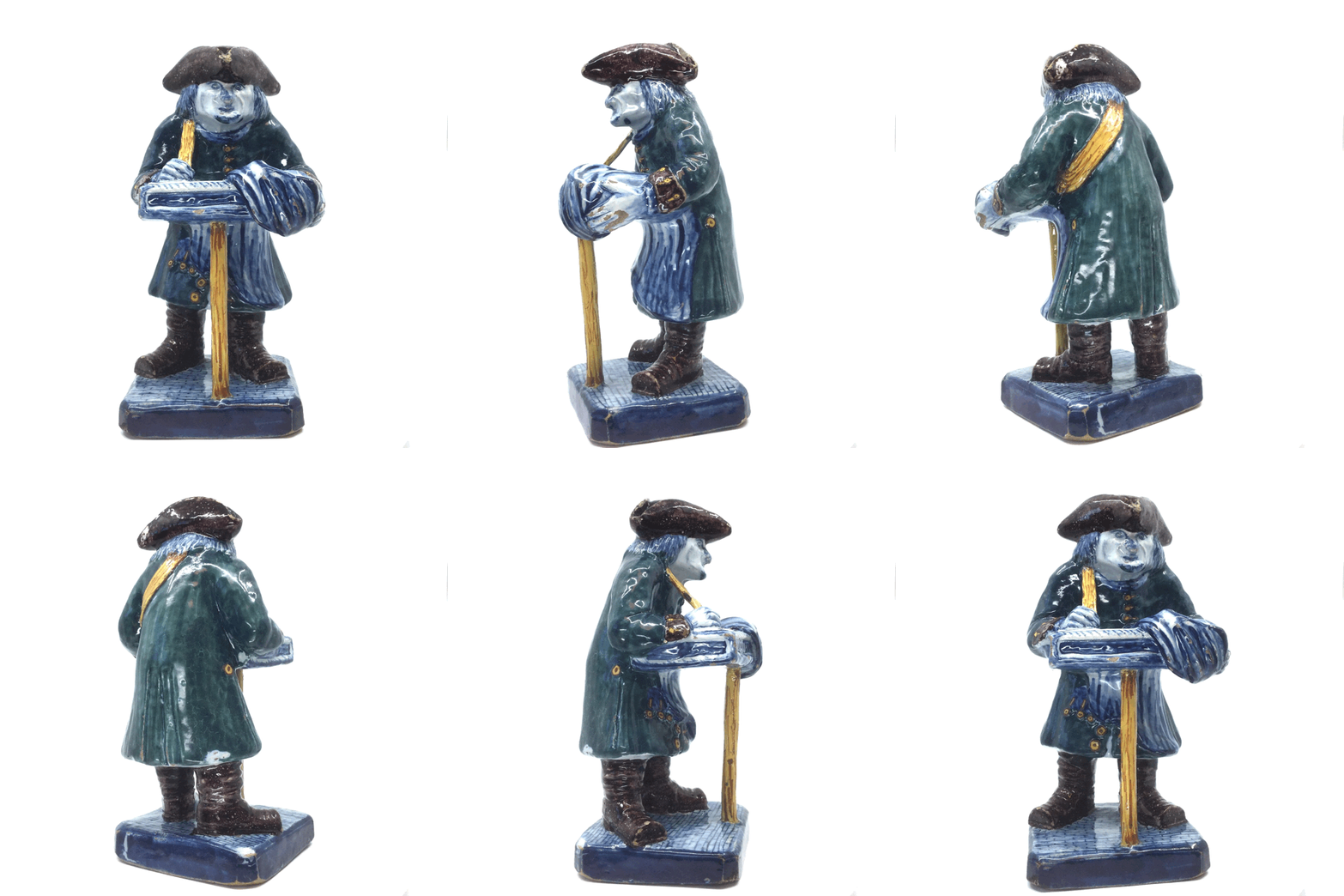
New: Our 2018 collection in 360° on aronson.com
We are proud to announce that we introduced 360 degree images on our corporate website : aronson.com. You can know examine the beautiful pieces of our 2018 collection in three dimensions. This very rare polychrome figure of a street vendor will be displayed at TEFAF…
East and West meet at the Groninger Museum
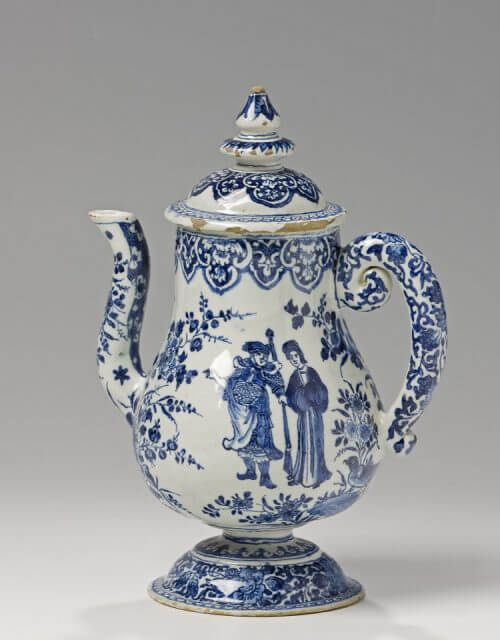
Until March 24th, 2019 will be held the exhibition "The World at Home: Asian porcelain and Delft pottery" at the Groninger Museum in Groningen. In the 17th and 18th centuries, Dutch interiors were enriched by Asian influences. The Dutch East India Company and individuals imported…
Interior design: French classic design mixed with a touch of Delftware
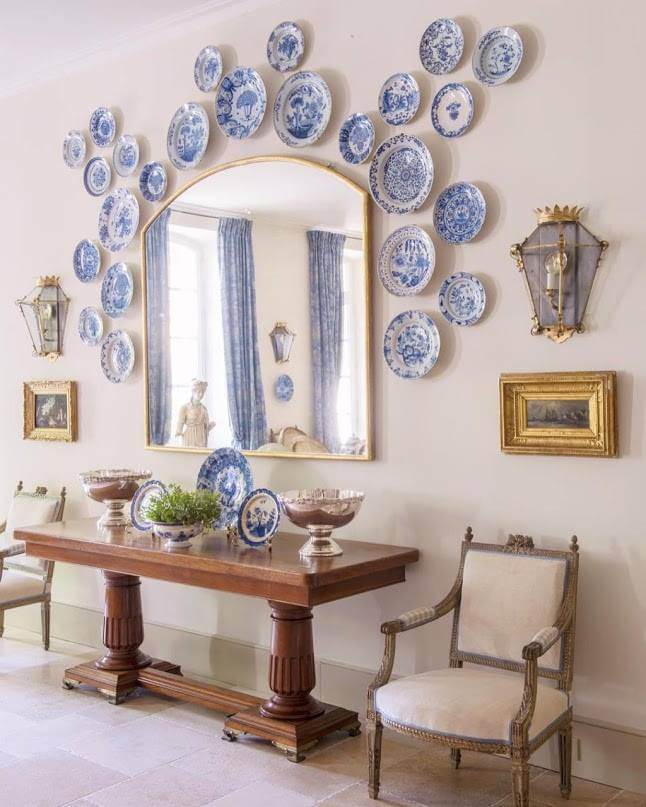
The blog Cote de Texas by Joni Webb takes us to a newly restored house in Provence, France. Le Mas des Poiriers is an 18th-century farm house in Provence, located near the Medieval city of Avignon on Isle de la Motte. The property's 65 acres offers true…
Two Amsterdam museums in top-3 worldwide ranking of most famous art museums
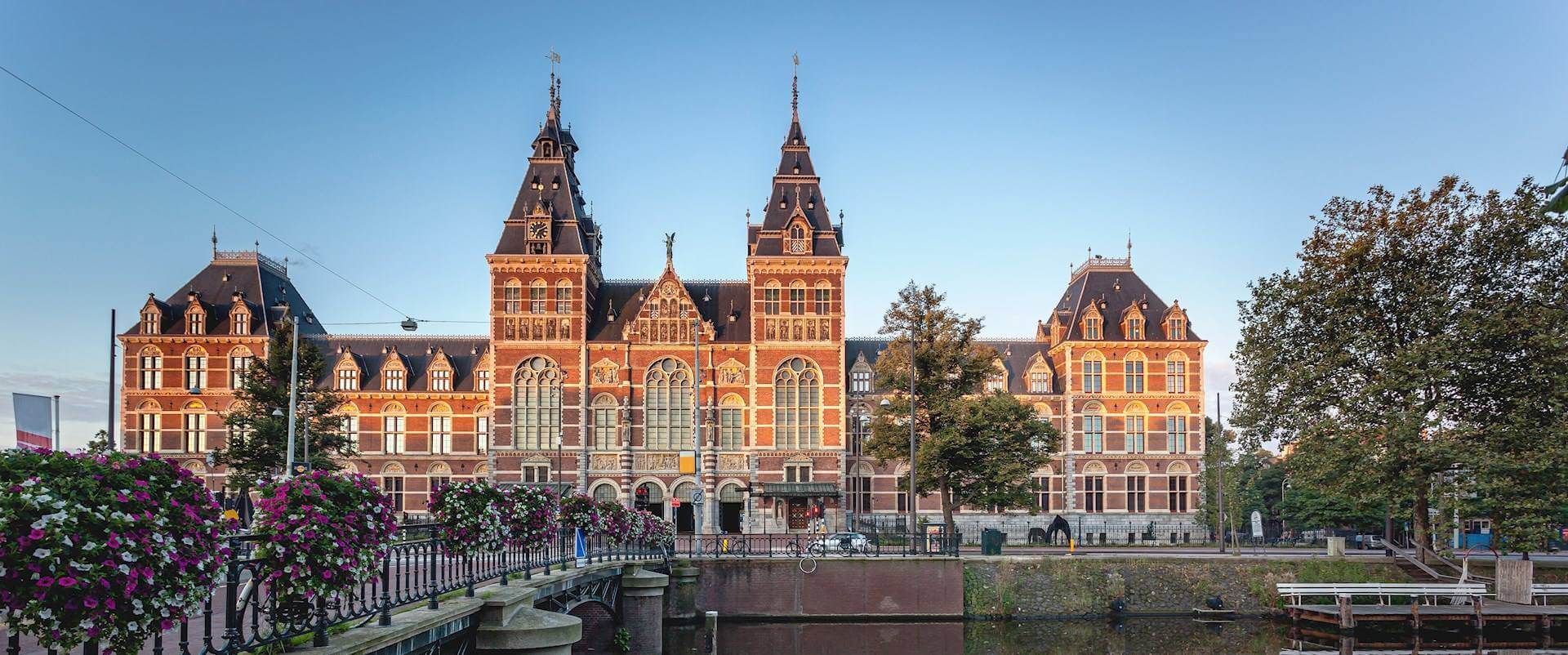
Large scale study by Erasmus University finds two Amsterdam museums in top-3 worldwide ranking of most famous art museums. After Musée du Louvre in Paris, the Van Gogh Museum and the Rijksmuseum, closely together, take second and third place. We'd love to welcome you to…
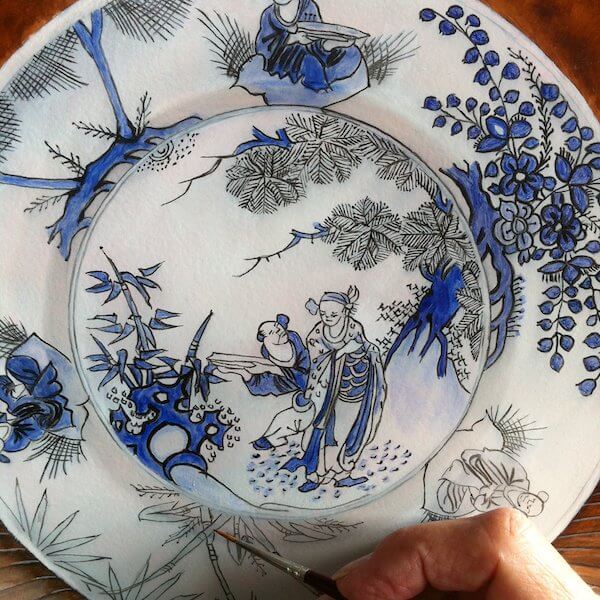
20th and 21st of November: Passionately Inspired, Sonja ter Heijden
Sonja ter Heijden feels closely connected with the city of Delft. Therefore it is not surprising that her passion for Delftware serves as a source of inspiration for her paintings. Sonja catches the beauty and rich history of the Delft objects beautifully in her paintings. With her love for the…
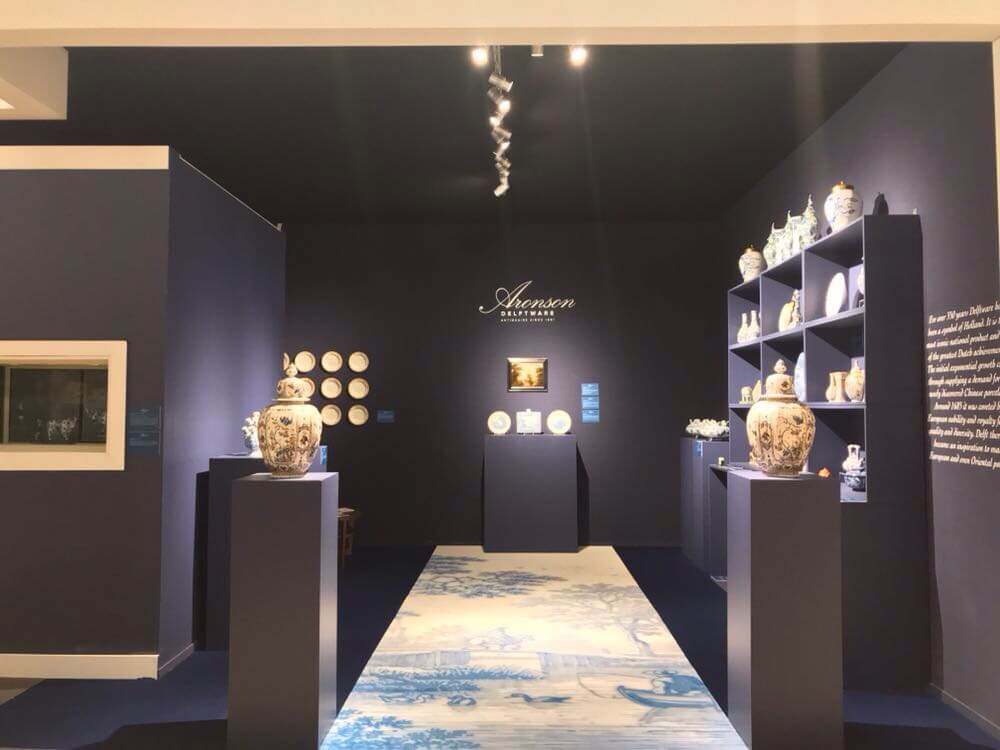
Three Delftware highlights at TEFAF New York Fall 2017
From October 28-November 1, 2017, TEFAF New York Fall will return to the historic Park Avenue Armory in New York City. Ninetythree dealers from thirteen countries are presenting the finest quality art from across the ages. Amongst them, Aronson Antiquairs brought the absolute highlights of the…
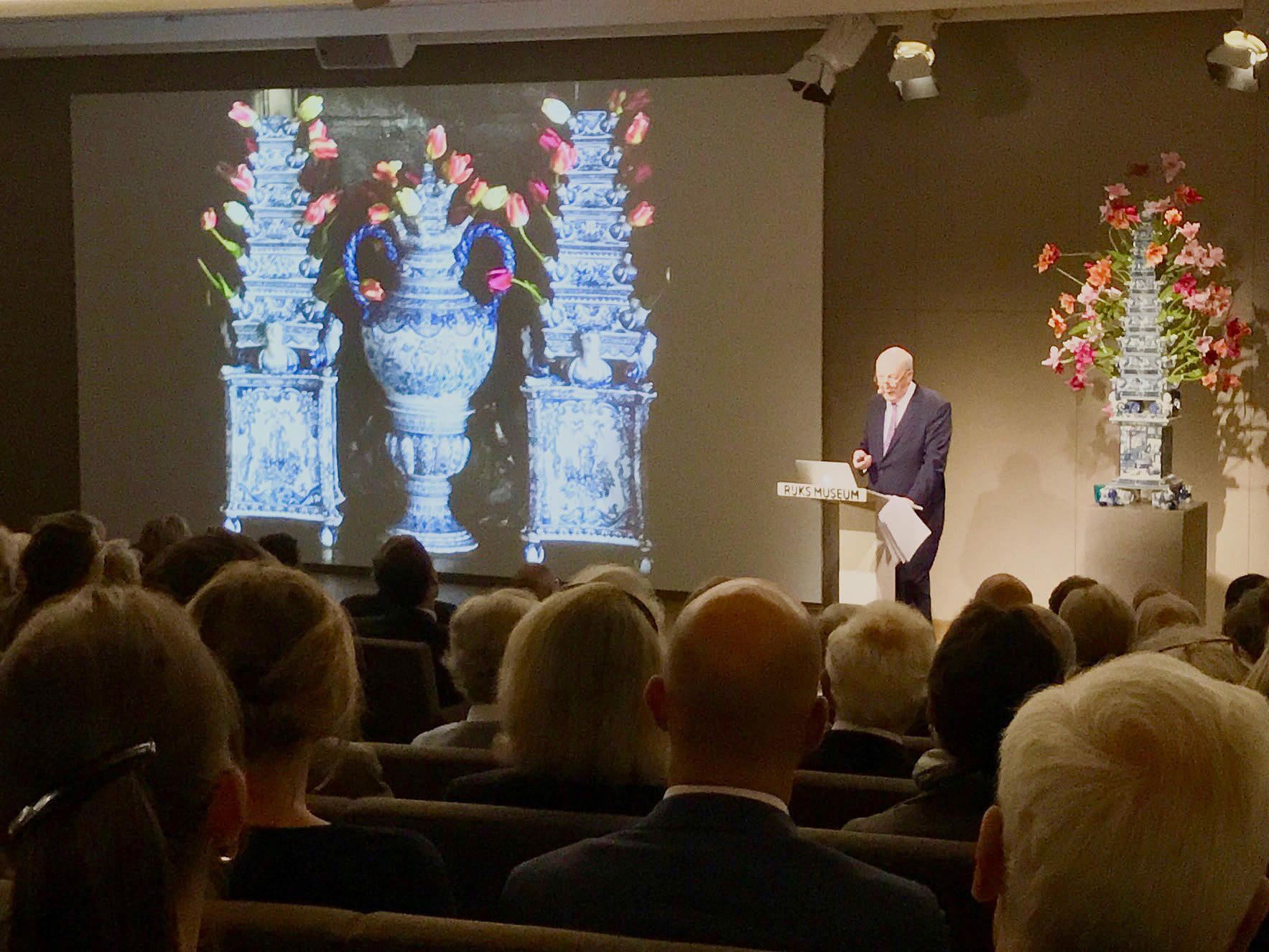
26th September : The fifth lecture of the Daniel Marot foundation by the Duke of Devonshire
On the 26th of September, the fifth Daniel Marot lecture, organized by foundation Daniel Marot Fund in collaboration with foundation the Dutch interior, took place in the Rijksmuseum Amsterdam. On the occasion of the first lustrum, the Duke of Devonshire spoke of "Chatsworth, the history, the…
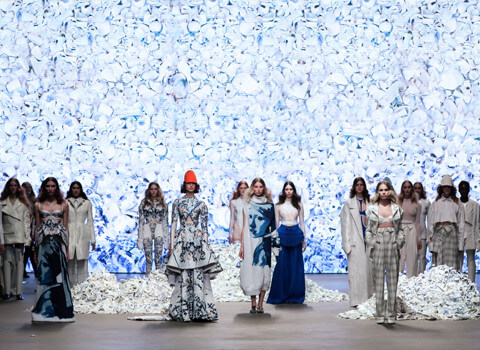
Fashion Design : Tess van Zalinge x Royal Delft
This is Royal Delft as you have never seen before. Dutch fashion designer, Tess van Zalinge’s newest collection ‘Tess van Zalinge x Royal Delft’ combines the crafts of hand painting Delft Blue and making clothes in a unique manner. From 19 May to 15 July…
Learn about the connection between Delftware and Chinese Porcelain at the Gemeentemuseum in The Hague
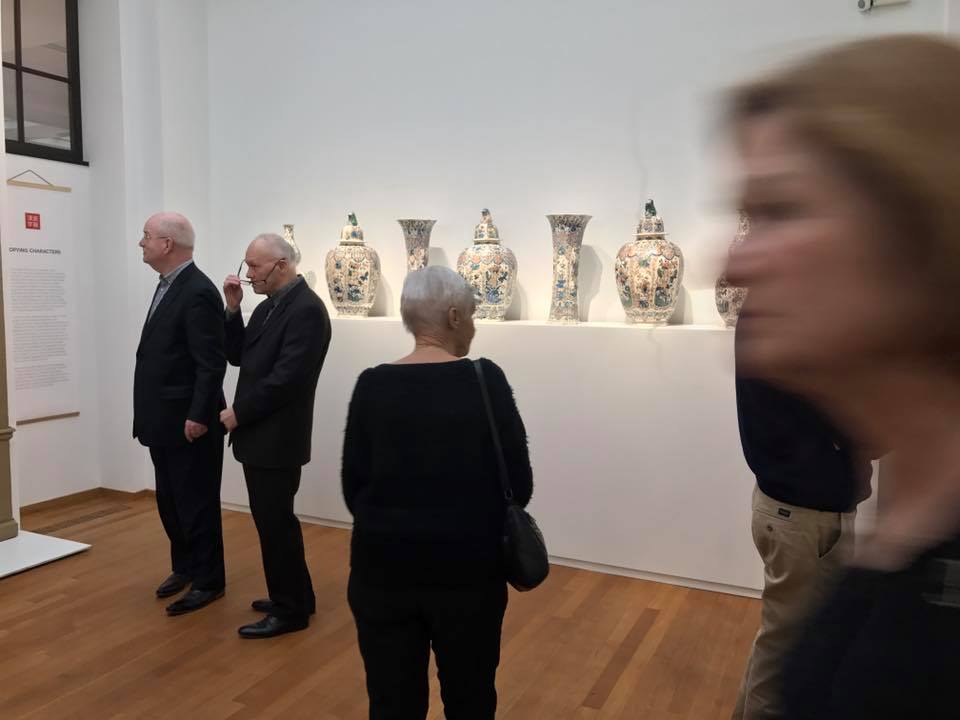
Last week, the exhibition China Character - The Story on Porcelain opened in the Gemeentemuseum in The Hague. Ever since the founding of the Dutch East India Company 400 years ago, people in the Netherlands have been entranced by the beauty of Chinese porcelain. Wealthy Dutch…
Large Delftware Vase to Minneapolis
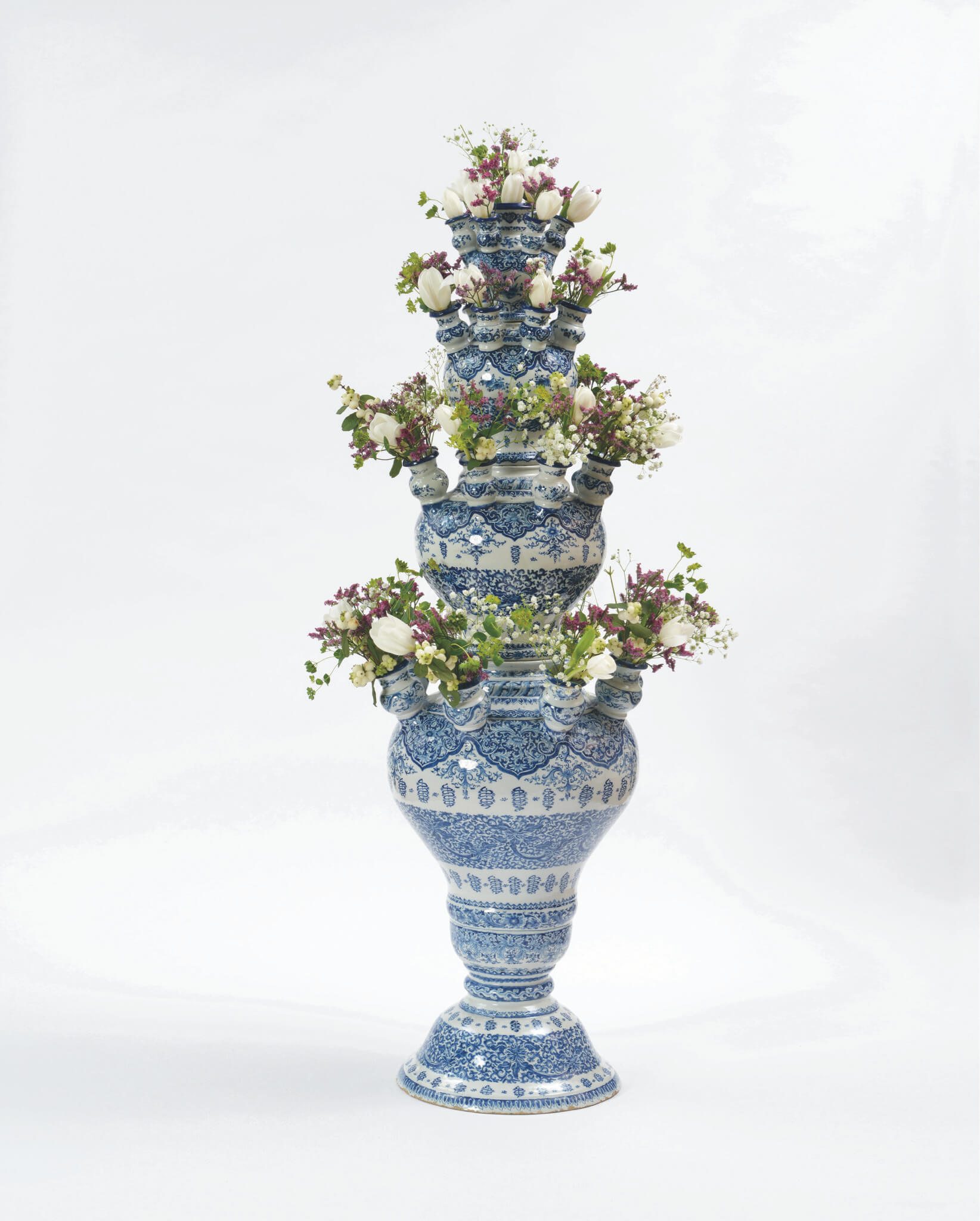
Mia acquires spectacular 17th century Delftware flower vase Maastricht, March 14, 2017 The Minneapolis Institute of Art acquired spectacular seventeenth century blue and white baluster-shaped flower vase from Aronson Antiquairs. Although the flower vase is unmarked, many of its stylistic details suggest that it was designed, painted and produced by…

Quality and Context at TEFAF Maastricht 2017
Works of extraordinary provenance and quality take the lead at TEFAF Maastricht, the world’s leading fine art and antiques fair, which takes place at the MECC (Maastricht Exhibition & Congress Centre) from 10-19 March 2017. TEFAF Maastricht provides an unrivalled market place for the world's…
Important and Rare Delftware Collection at TEFAF Maastricht 2017
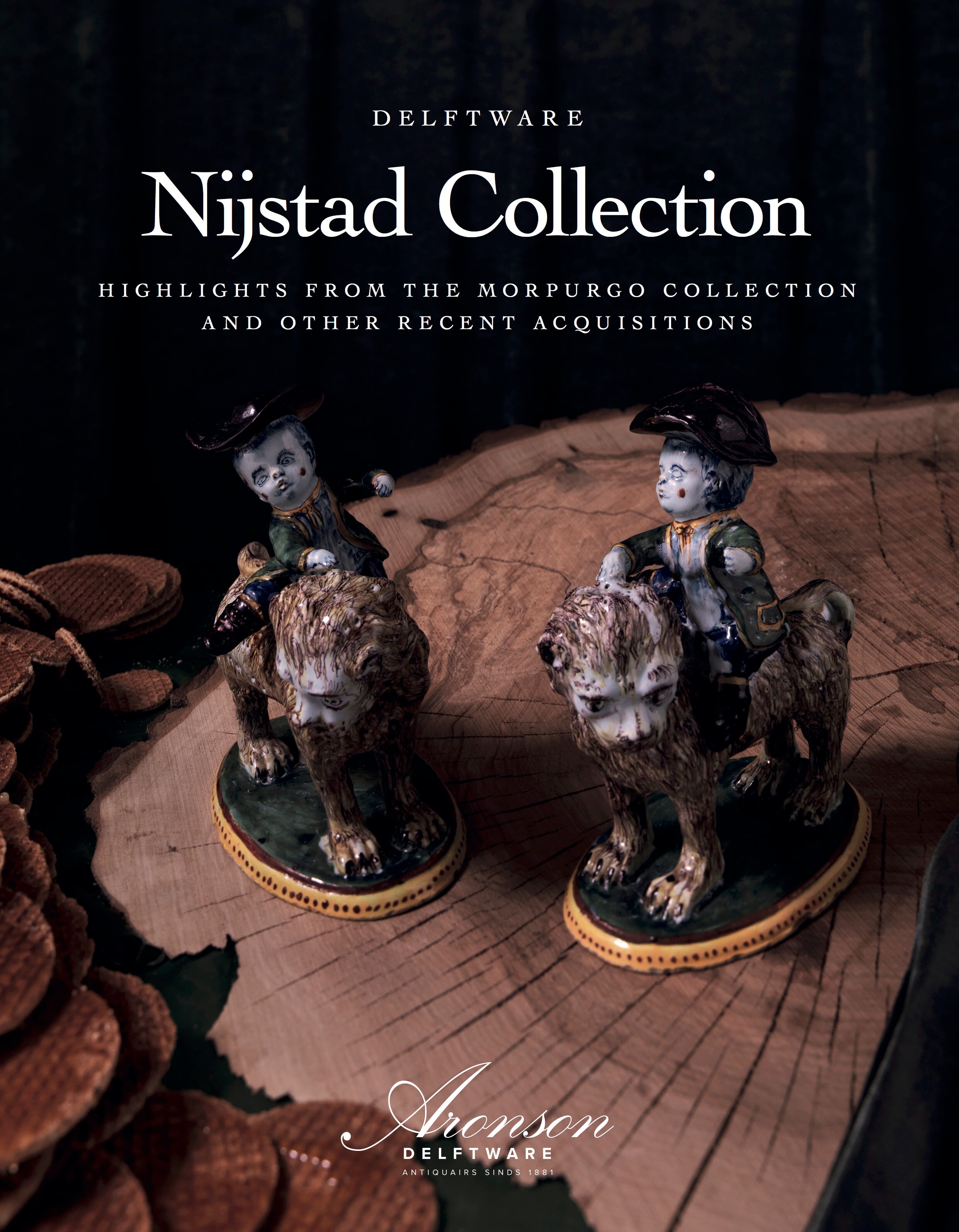
For TEFAF Maastricht 2017, Aronson Antiquairs will be presenting a selection of objects including works from two outstanding collections: The Nijstad and the Morpurgo collection. The Nijstad family has been deeply wedded to art and antiques for as long as anyone can remember. The collection…
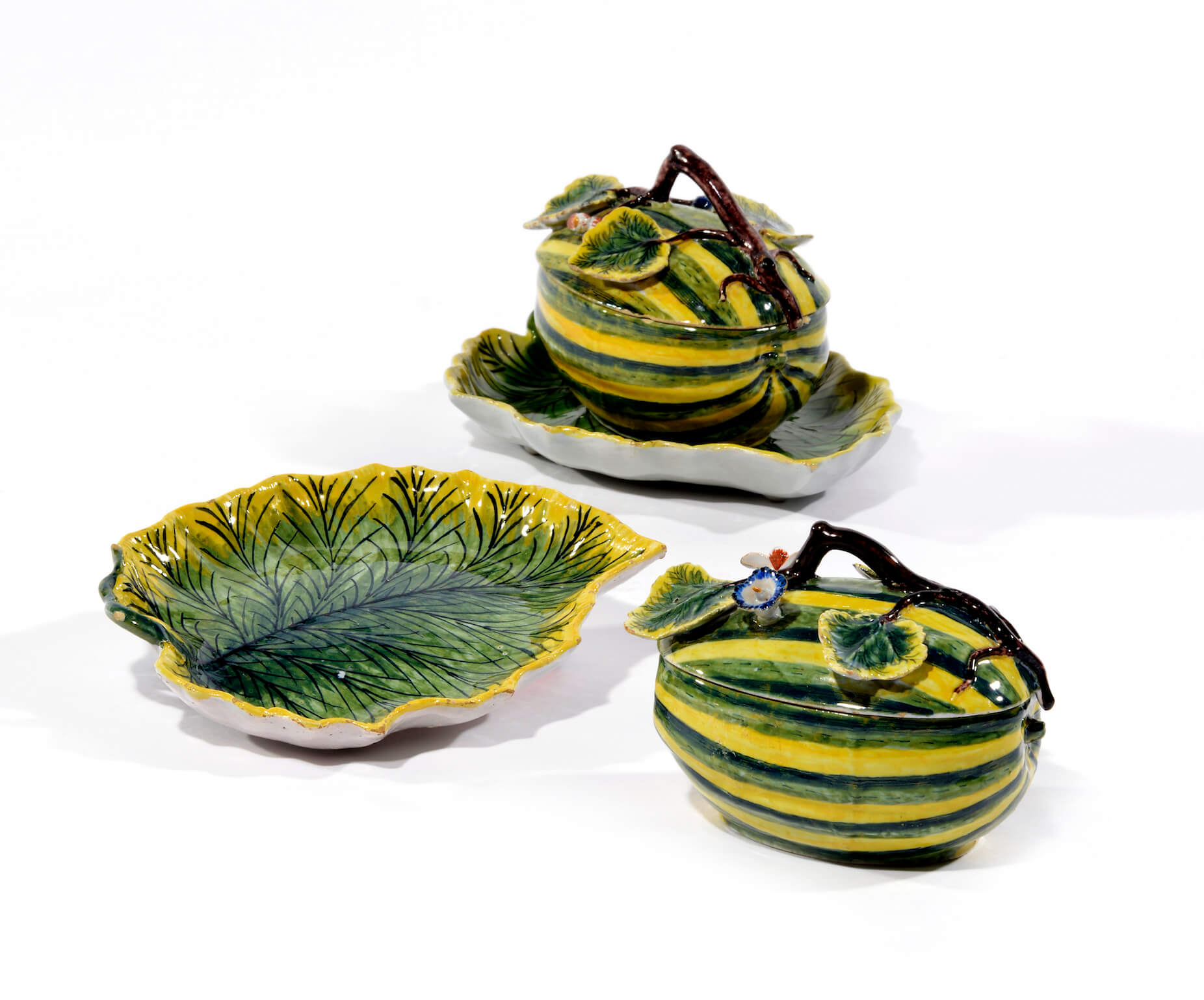
Delftware Highlights at the Winter Antique Show : Pair of Polychrome Melon Tureen, Delft, circa 1760
From the 20th to 29th of January, will be held the 63rd edition of the Winter Antiques Show in New York. The Winter Antiques Show is the leading art, antiques, and design fair in America , featuring over 70 of the world's top experts in…
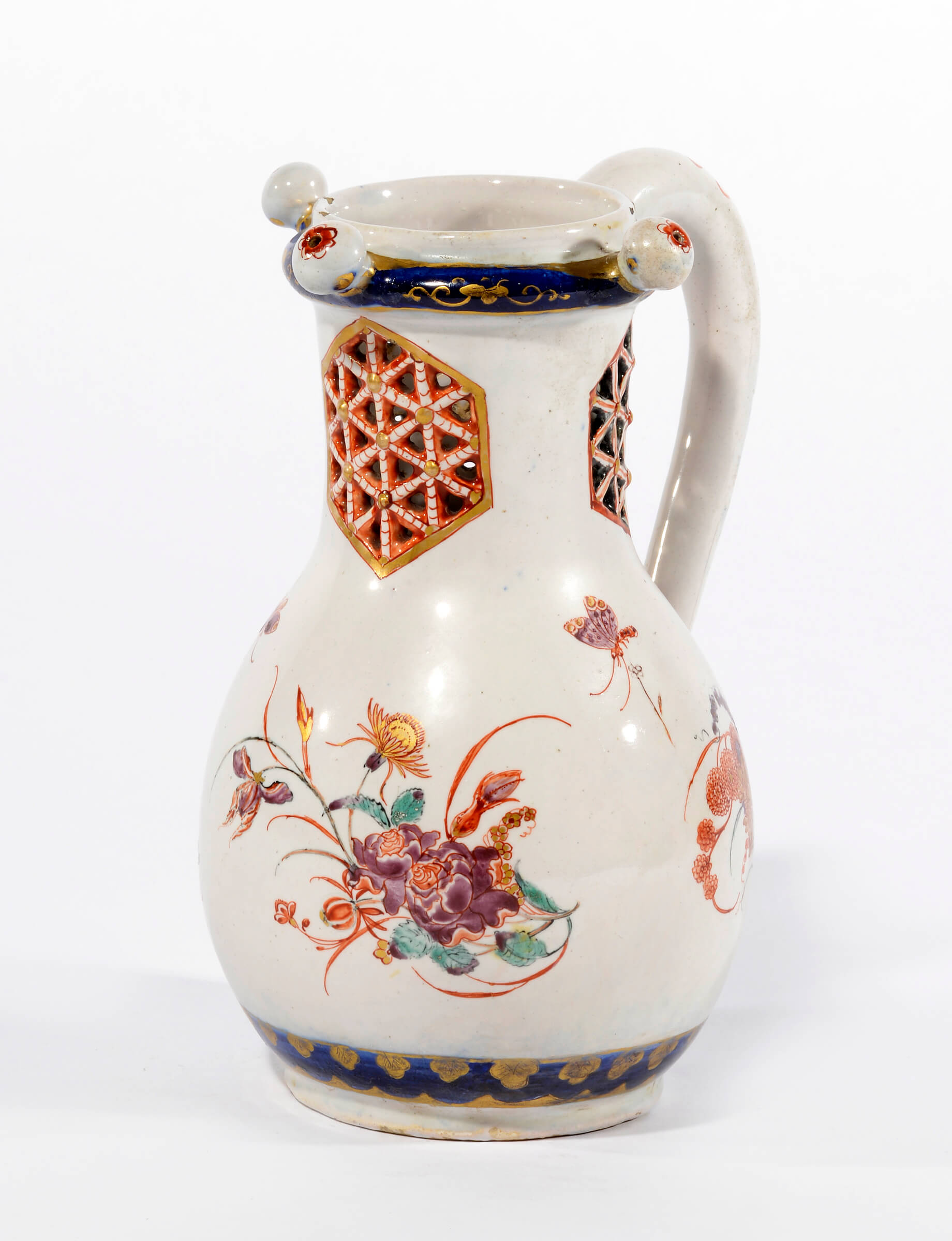
Delftware Highlights at the Winter Antique Show : Petit Feu Polychrome and Gilded Puzzle Jug, Delft, circa 1730
From the 20th to 29th of January, will be held the 63rd edition of the Winter Antiques Show in New York. The Winter Antiques Show is the leading art, antiques, and design fair in America , featuring over 70 of the world's top experts in…
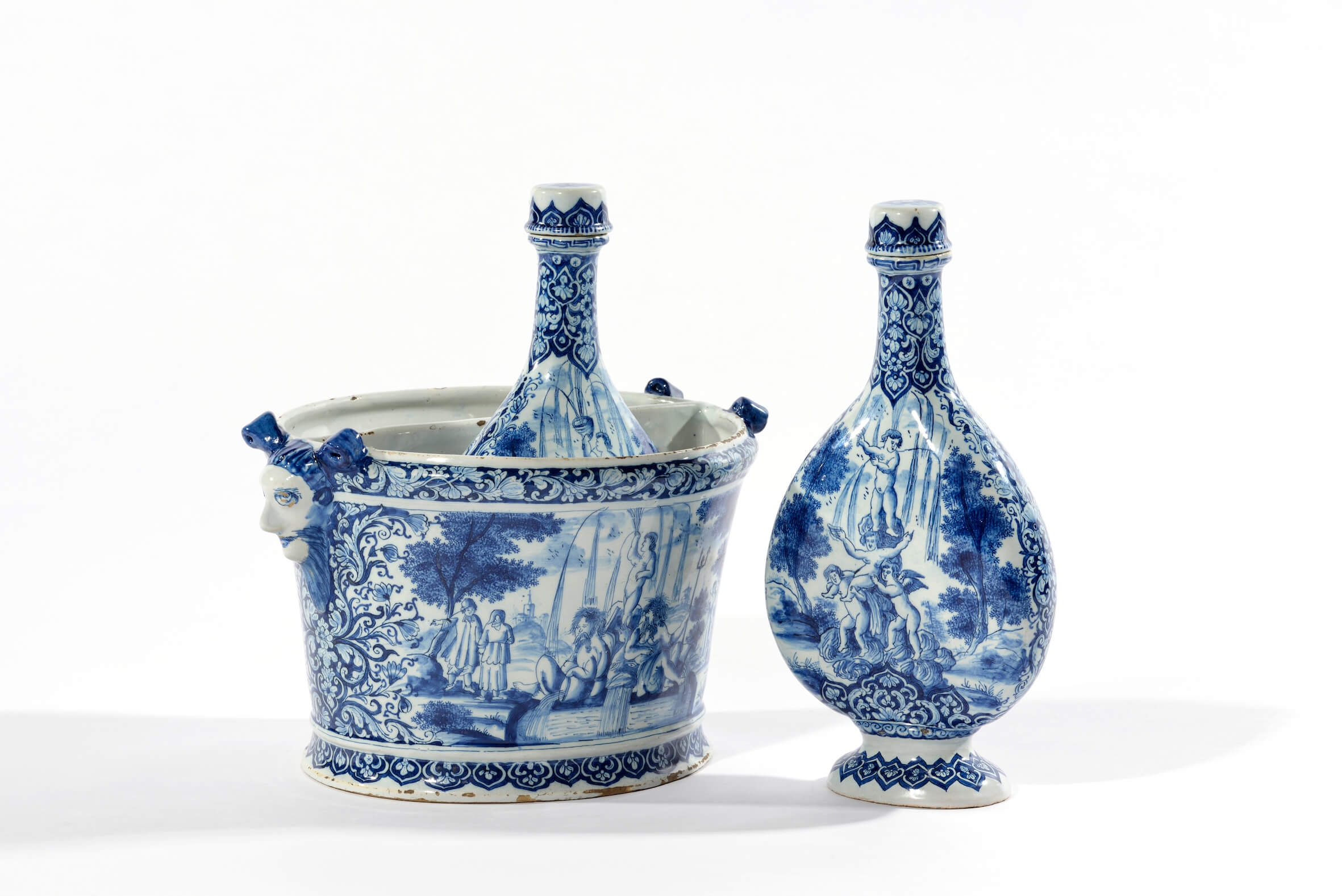
Delftware Highlights at the Winter Antique Show : Blue and White Bottle Coolers with its Flasks and Covers, Delft, circa 1695
From the 20th to 29th of January, will be held the 63rd edition of the Winter Antiques Show in New York. The Winter Antiques Show is the leading art, antiques, and design fair in America , featuring over 70 of the world's top experts in…
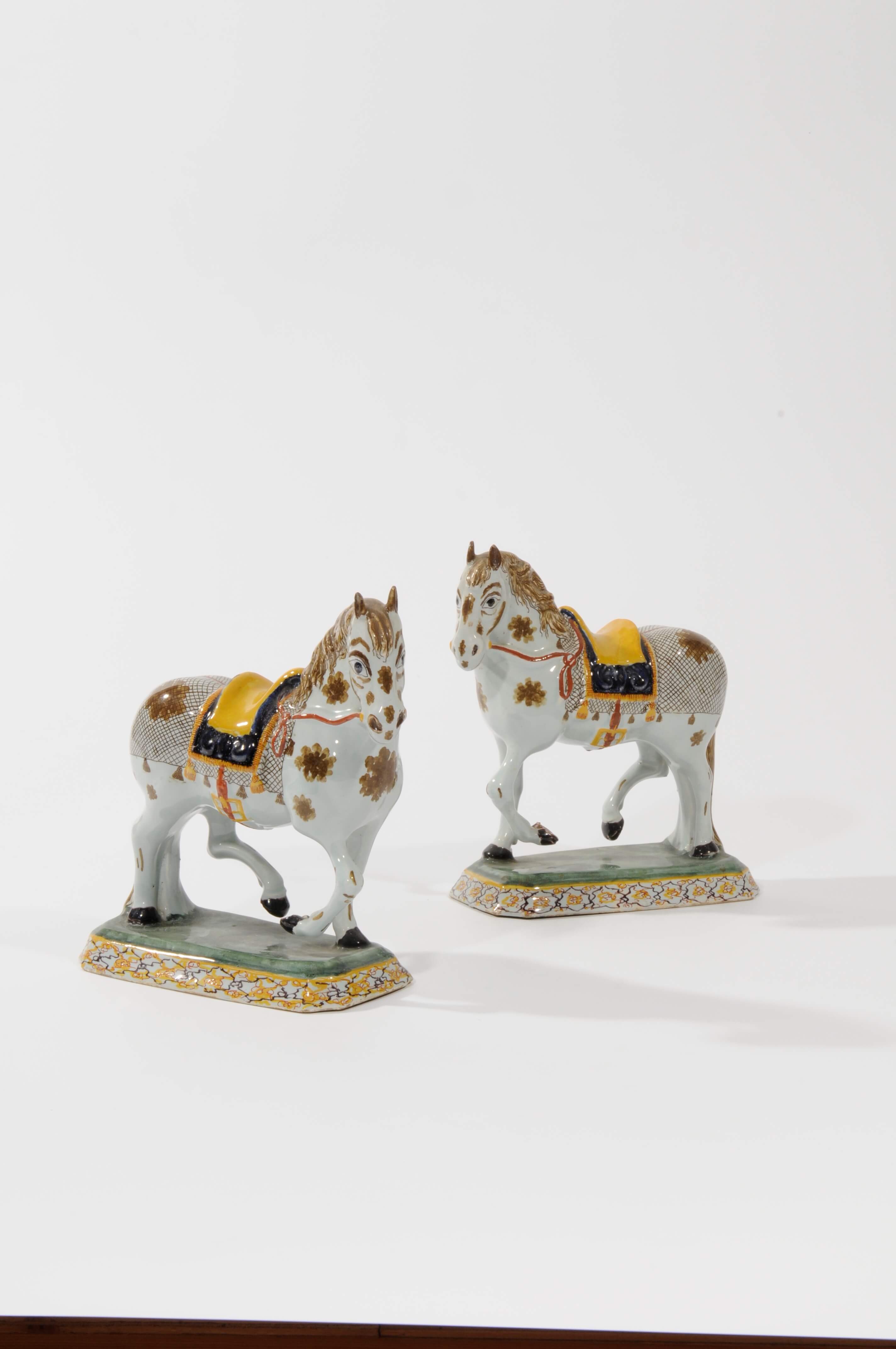
Delftware Highlights at the Winter Antique Show : Pair of Polychrome Figures of Horses, Delft, circa 1765
From the 20th to 29th of January, the 63rd edition of the Winter Antiques Show in New York will be held. The Winter Antiques Show is the leading art, antiques, and design fair in America , featuring over 70 of the world's top experts in…
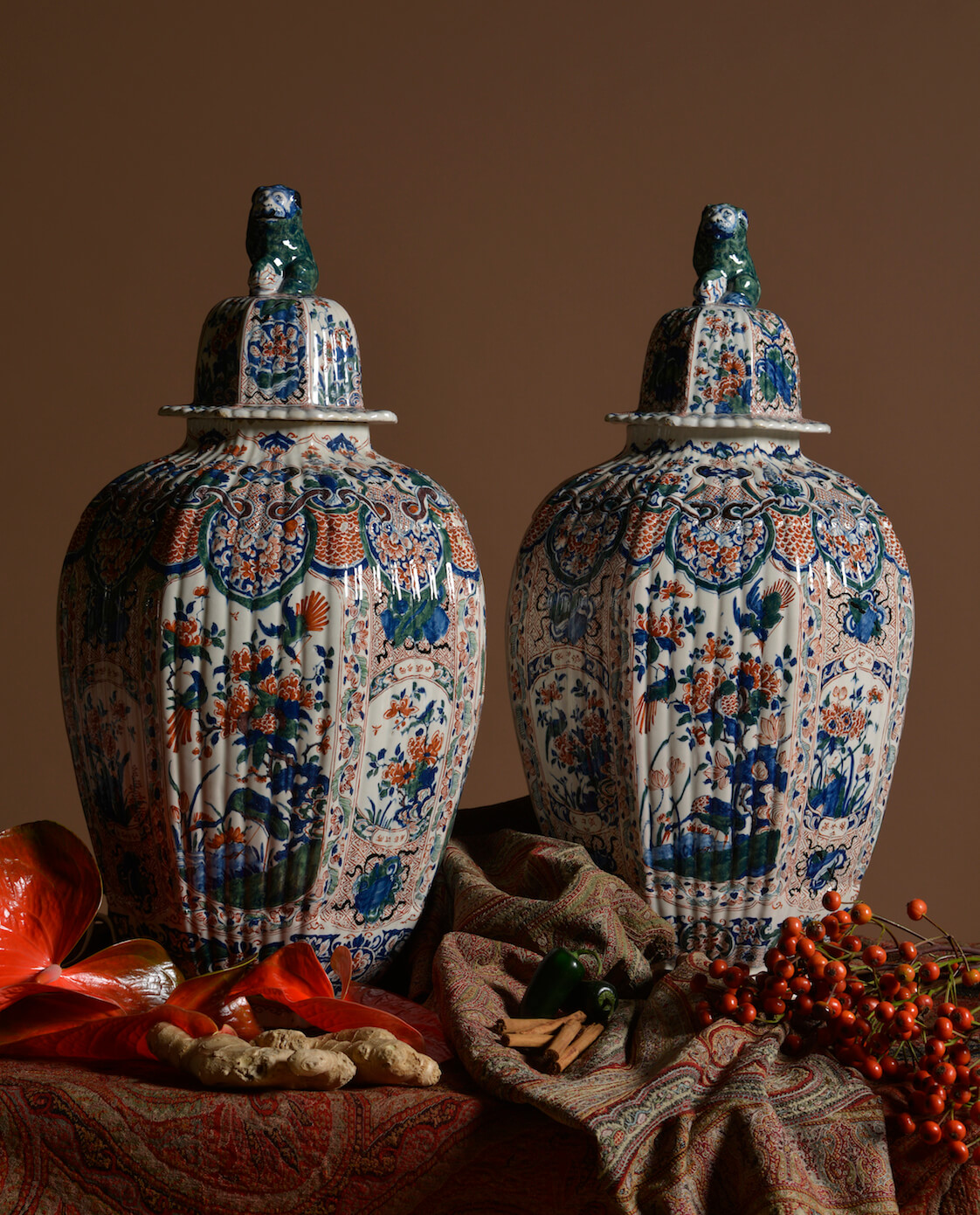
A beautiful exhibition of cashmere palette objects at the Winter Antiques Show
From the 20th to 29th of January, the 63rd edition of the Winter Antiques Show in New York will be held. The Winter Antiques Show is the leading art, antiques, and design fair in America, featuring over 70 of the world's top experts in the…
Retracing the history of Delftware: Lecture at the ceramic circle of Atlanta – Tuesday, February 17th by Robert Aronson
On Tuesday, February 17th, 2017, Robert Aronson will be giving a lecture for the American Ceramic Circle Atlanta’s meeting. The American Ceramic Circle (ACC) was founded in 1970 as a non-profit educational organization committed to the study and appreciation of ceramics. Its purpose is to…
Blue and white Delftware concept stand at PAN Amsterdam
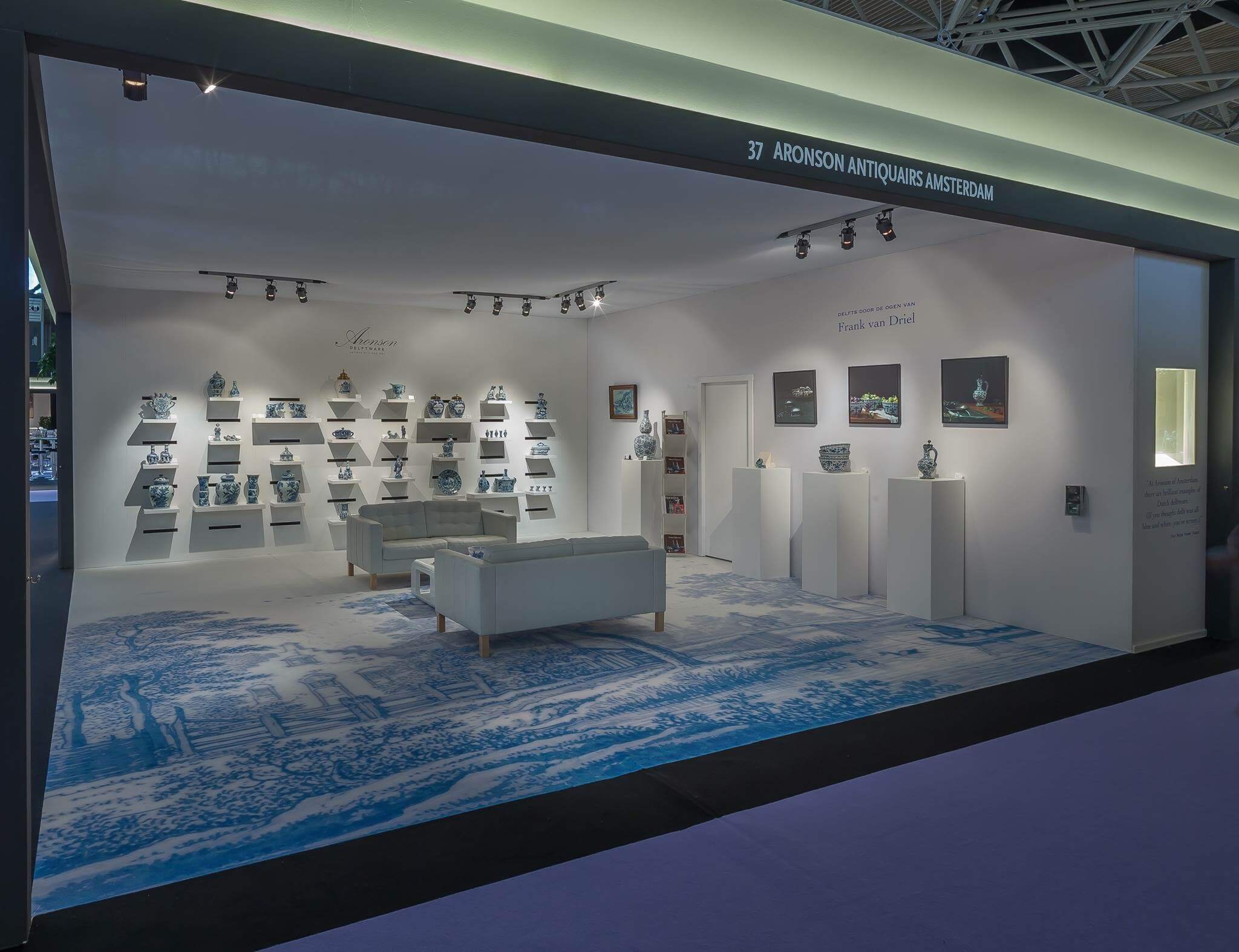
At PAN Amsterdam, the Dutch national Dutch art fair, which ran in the last week of November 2016, Aronson Antiquairs presented a true concept stand. It was a true card-de-visite for the company as it focused on blue and white Delftware from both the 17th…
Dutch Design Week: Jing He reinterprets the iconic Delftware Flower Vase
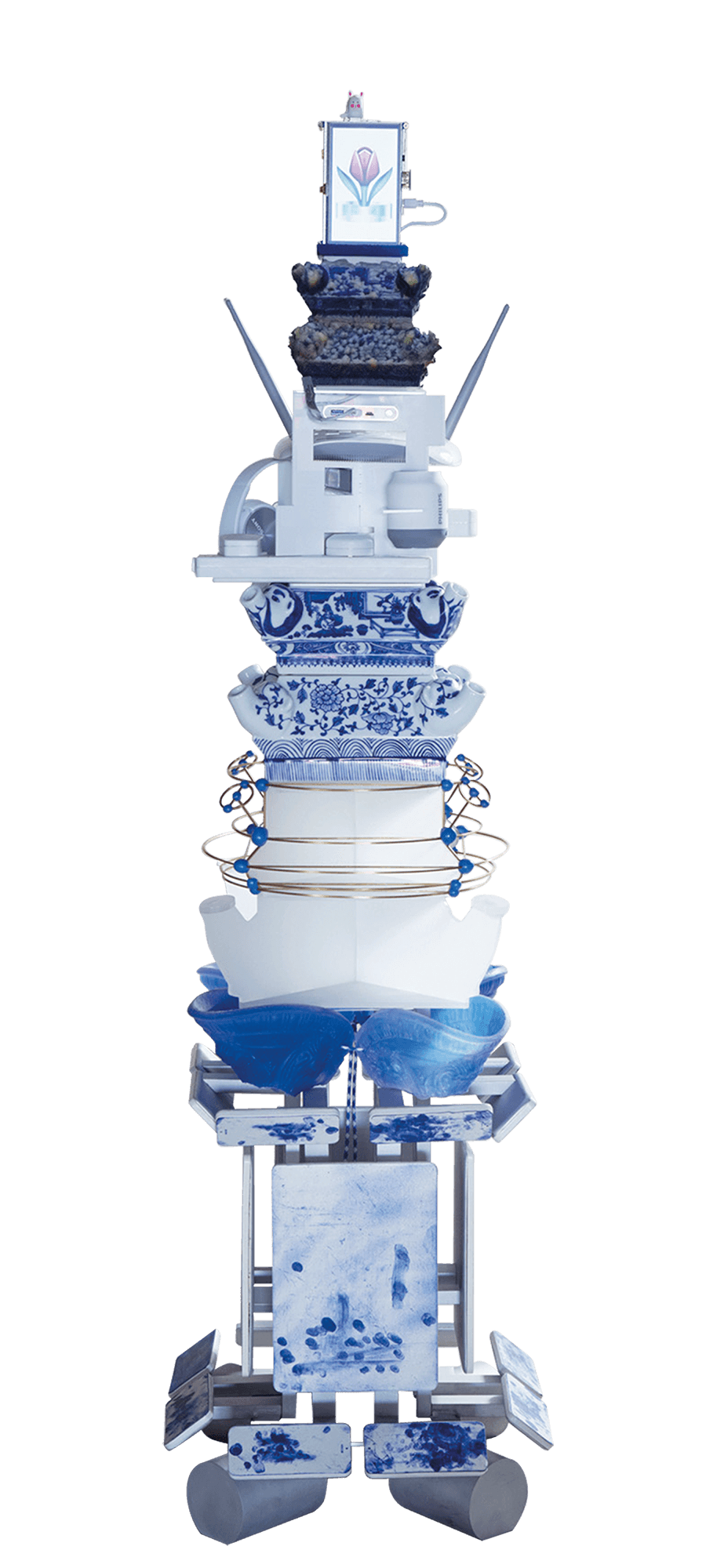
From 22nd to 30th October the Dutch Design Week took place in Eindhoven. This major event was concluded by the 2016 graduation show, where a jury of five people proceeded to the election of the best design projects. Amongst the 171 graduates who were participating, the…
The Victoria and Albert Museum retraces the history of garnitures
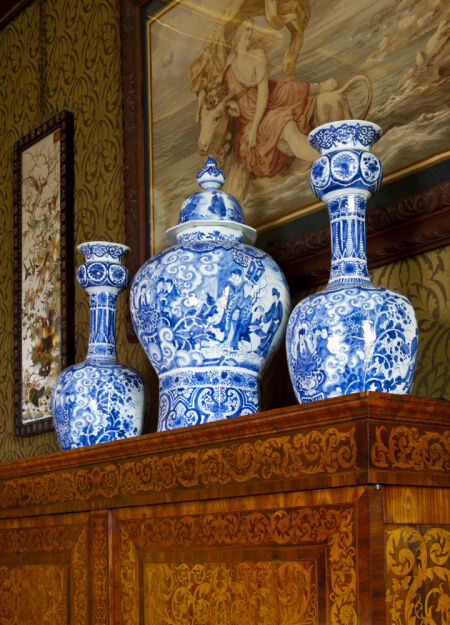
The Victoria and Albert Museum opened on 11th October a new exhibition entirely devoted to the garnitures and their influence on interior design. As it is explained in the video below, garnitures "are sets of vases or other ceramic vessels used to embellish or garnish the interior and…
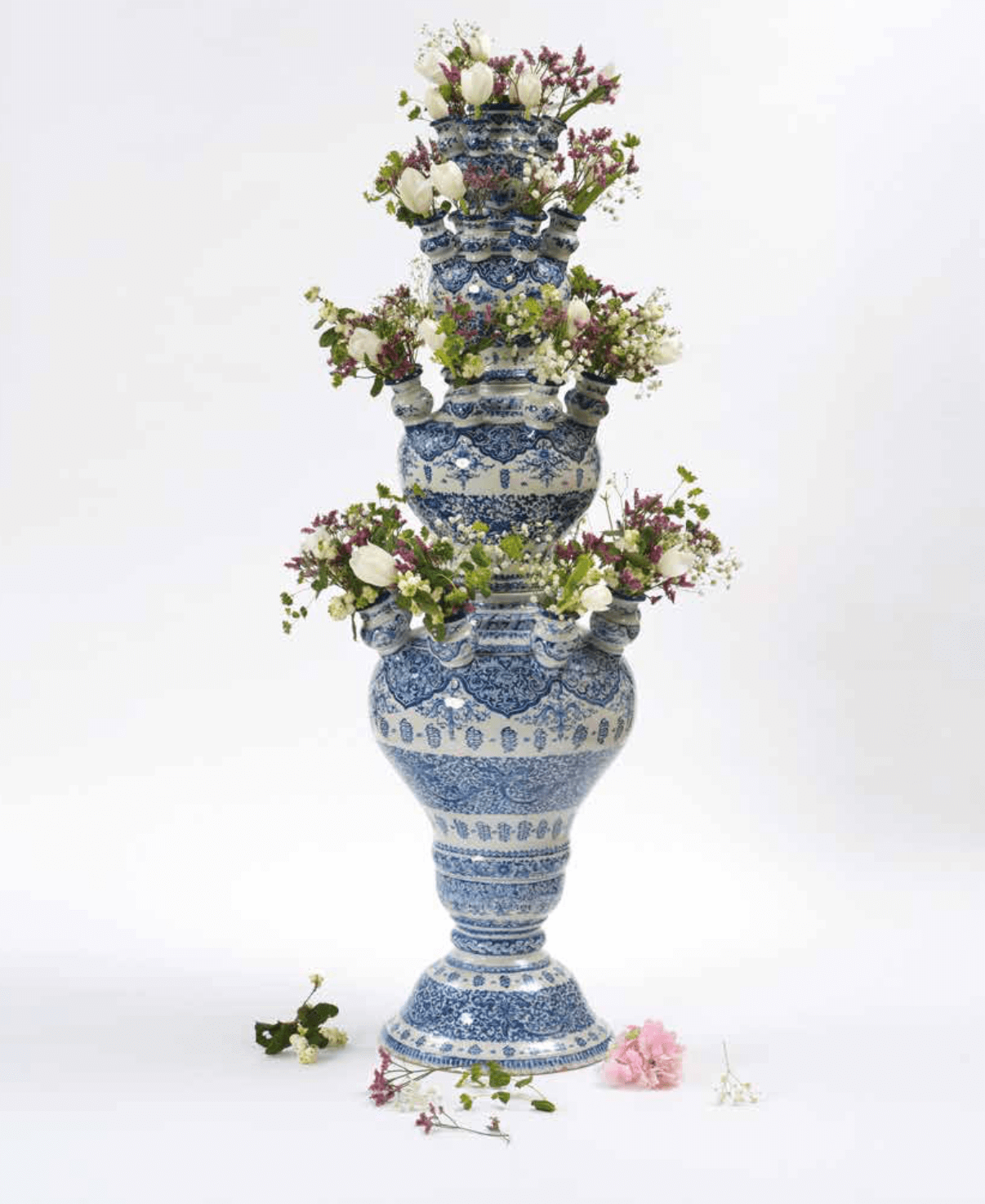
A major collection of Delftware exhibited by Aronson Antiquairs at TEFAF New York Fall
Last Friday, TEFAF - the world’s pre-eminent fair of art and antiques - has opened at the Park Avenue Armory. Ninetyfour dealers from thirteen countries are presenting the finest quality art from across the ages. Amongst them, Aronson Antiquairs brought the absolute highlight of the…
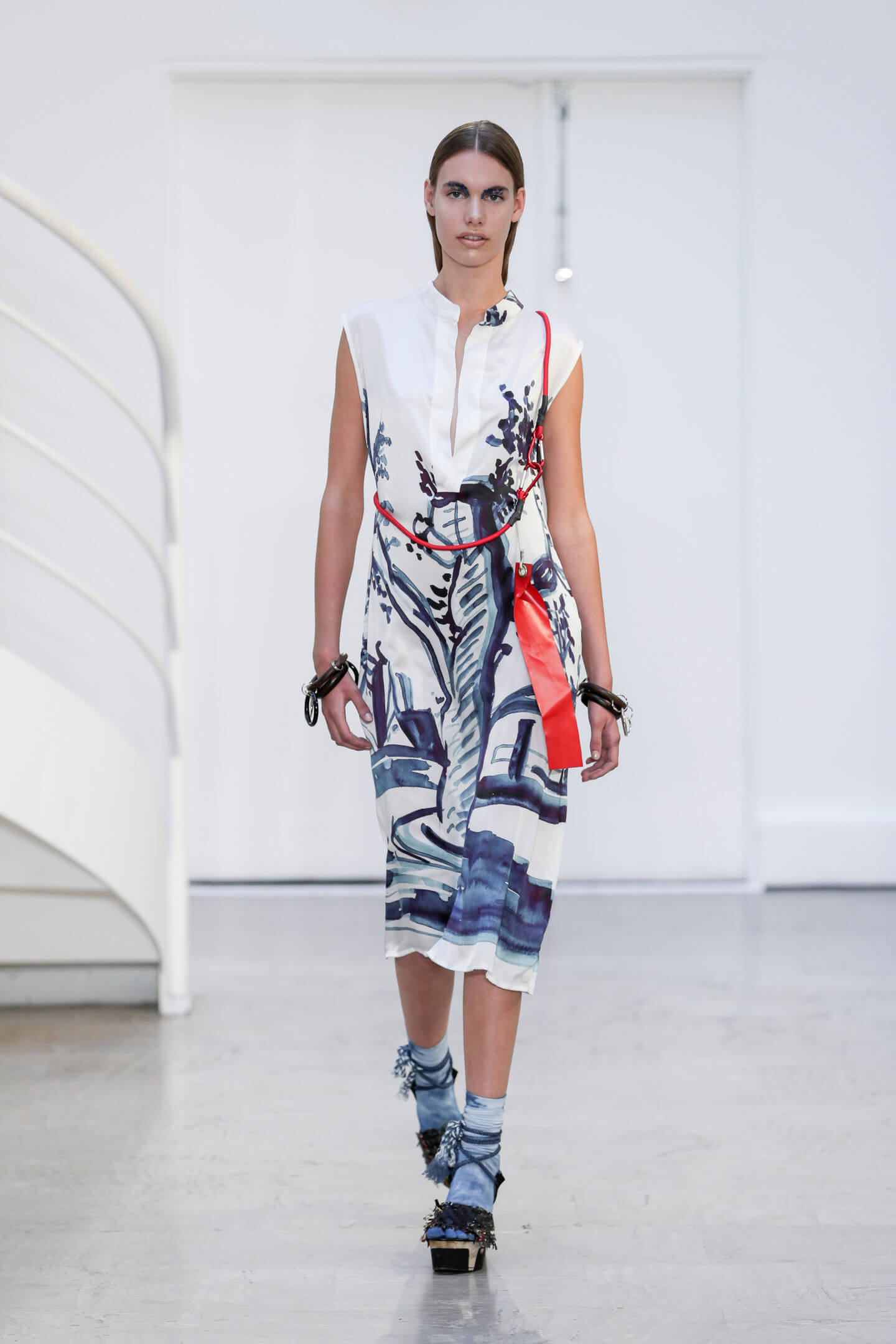
Paris Fashion week: Delft designs at SAGOI
Delftware has never ceased to inspire artists. After Christian Dior, Valentino, or Dolce & Gabbana, it is the turn to Liselore Frowijn, designer for SAGOI, to reinterpret the iconic Delftware patterns. On the opening day of Paris Fashion Week, the upcoming designer unveiled an amazing spring/summer…
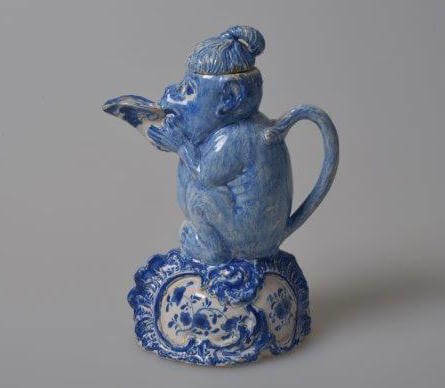
City of Harlingen celebrates the ‘Month of Earthenware’
The entire month of November the city of Harlingen celebrates the ‘Month of Earthenware’. The Hannemahuis, the Harlingen Earthenware and Tile factory show the beauty of the Frisian ceramics. The Hannemahuis will show highlights of the important collection of Minze van den Akker.
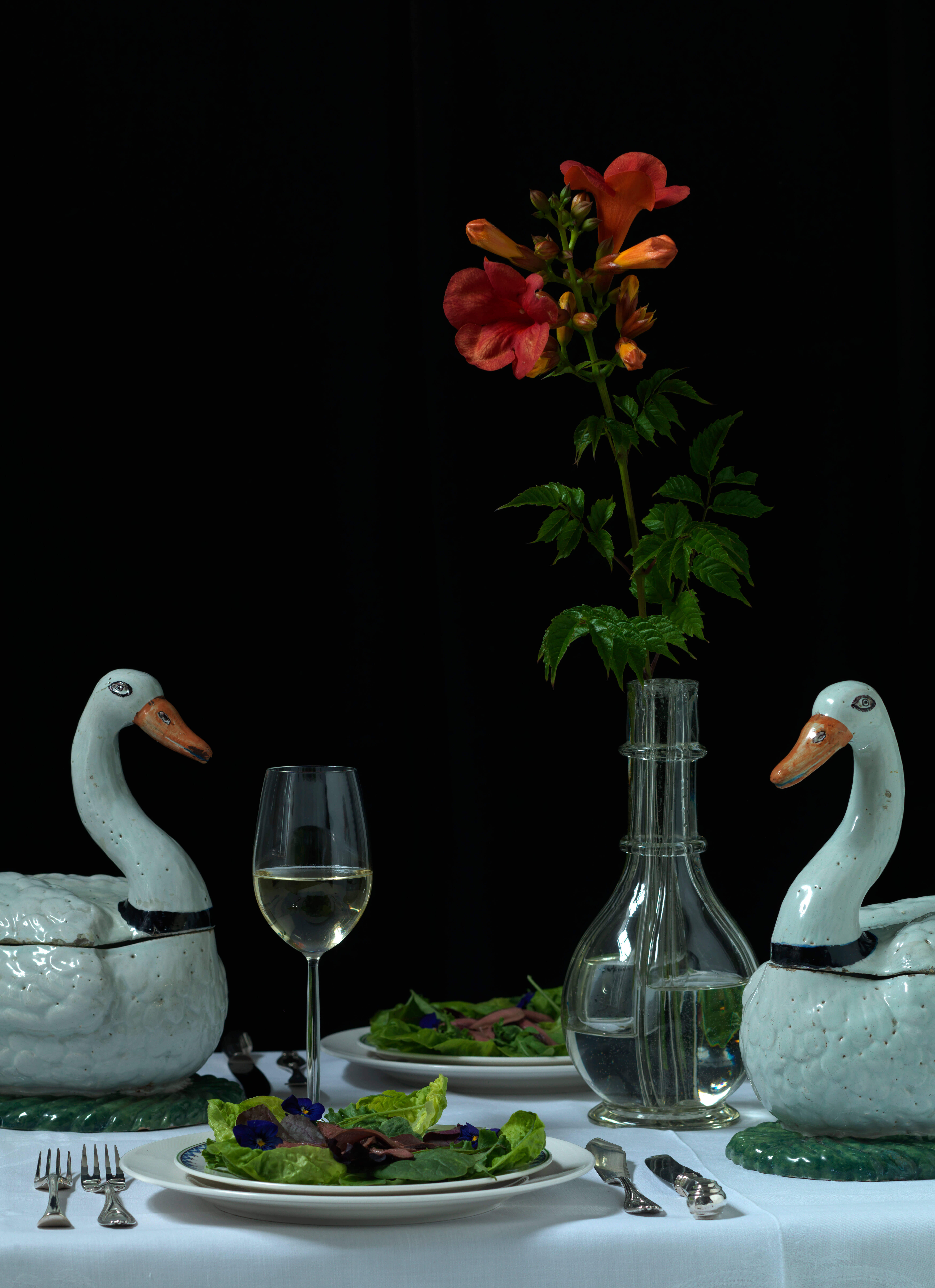
Aronson Antiquairs is showing a rare pair of large swan tureens at TEFAF
Aronson Antiquairs is showing a rare pair of large swan tureens at TEFAF | New York | Fall 2016. Dated to 1765, the tureens were made in a period when dining à la Française swept through Holland. The Delft potters quickly accommodated the new taste…
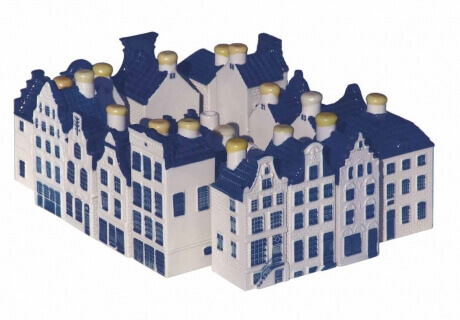
New neighbourhood called ‘Delft village’
The city of Delft will get a new neighbourhood called ‘Delft village’ that is dedicated to the history of the city. The houses will have blue and white facades, inspired by the Delft blue miniature houses filled with gin which the KLM handed out to…
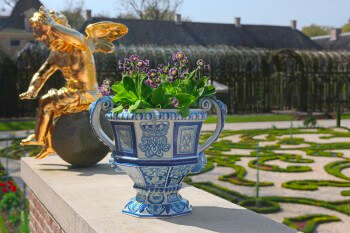
45 Delftware garden vases will be on display in the gardens of Paleis Het Loo
45 Delftware garden vases will be on display in the gardens of Paleis Het Loo. They are produced based on three existing authentic vases, that were made in the 17th century for the first residents of Paleis Het Loo, King-Stadtholder Willem III and Queen Mary.…
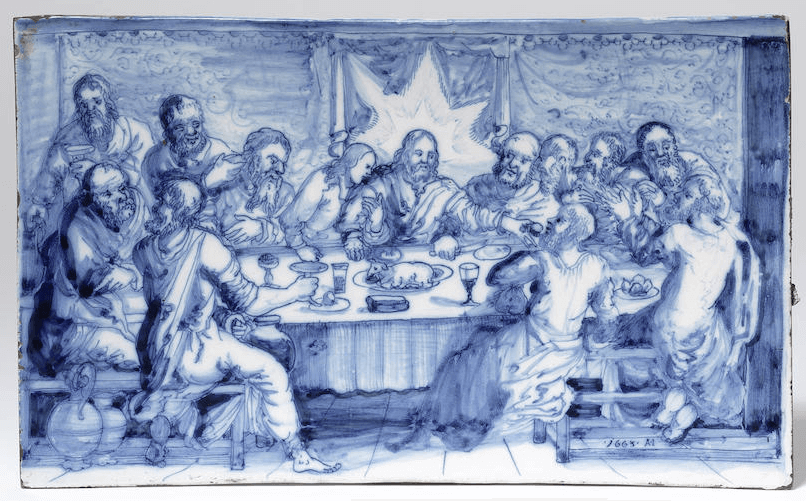
The Rijksmuseum has acquired a new piece of Delft
The Rijksmuseum has acquired a new piece of Delft: a rare blue and white biblical plaque, which is dated 1663 and bears the initial A.I. The depicted scene is a famous one: The last supper, with the twelve apostles surrounding Christ seated at an elongated…
Leading experts in this field
For an account of the current state of collections of Delft faience, we have asked Robert Aronson for enlightenment, one of the leading experts in this field, as well as the heir to a long and distinguished antiques tradition in Amsterdam (www.aronson.com). — "per avere…
Collectors’ Focus
Apollo, March 2014, pp. 172-173 Delftware has been collected since the early 17th century, but it is the English variety that commands the highest prices. The market is rather selective, but renewed dealer interest suggest delft – both Dutch and British – is increasingly sought…
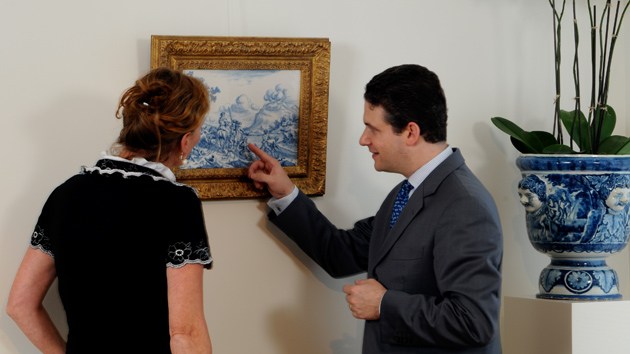
Robert Aronson mounts a show of the best in Dutch Delftware and remembers his father
PROBABLY the world’s top dealer in Dutch Delftware Robert Aronson, who is the fifth generation at Aronson Antiquairs in Amsterdam, holds his annual exhibition from May 13 to 20. Called Timeless Elegance it offers an unrivalled collection of 17th and 18th century Delftware and naturally…
Article Universe Magazine
‘Rare antiques; Robert D. Aronson is the fifth generation to manage Aronson Antiquairs, a family firm founded in 1881. Based in the heart of Amsterdam’s Old Town, he has made a speciality of Dutch Delftware, pottery made in the Netherlands during the 17th and 18th…
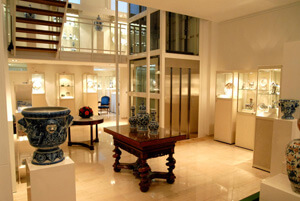
Article Winkelstories
‘In Amsterdam zijn nog zeven kunsthandels/antiquairs, die hun oorsprong hebben in de 19de eeuw, terwijl het ook nog familiebedrijven zijn. Aronson Antiquairs sinds 1969 gevestigd in de Nieuwe Spiegelstraat 39, is daar één van.’ (‘There are seven art/antiques dealers still in Amsterdam, who have their…
Article Het Laatste Nieuws, Belgium
'Amsterdam Pan - De Nederlandse Kunst- en Antiekbeurs heet nu 'Eigentijds' te zijn. U kan dus rekenen op een zeer ruim aanbod, met Nederlandse accenten in design, juwelen, schilderkunst en aardewerk. Delft blijft een van de sterke punten van deze beurs en de stand van…

Article Herald Tribune
By Heidi Ellison March 14-15, 2009 Robert Aronson’s enthusiasm for his specialty, Dutch Delftware, is contagious. “This is our strongest and most diverse collection in many years,” he says, and that’s saying something, since the Amsterdam-based family business, Aronson Antiquairs, has been in operation for…
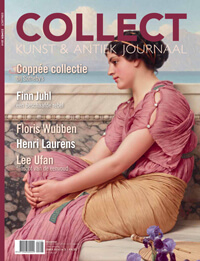
Article Kunst & Antiek Journaal
‘Een unieke Delftse plaque - Op de komende PAN zal in de stand van Aronson Antiquairs een unieke Delftse plaque worden gepresenteerd ... die u zeker ... moet gaan zien.’ (‘A unique Dutch Delftware plaque - At the upcoming PAN fair a unique Dutch Delftware…
Article Chapeau!
‘First “green” stand at TEFAF ... Sustainability is a hot topic these days. TEFAF also wants to play its part in efforts to protect the planet and above all promote the careful use of energy resources. Antiques dealer Robert Aronson from Amsterdam will have a…
Article Herald Tribune
By Heidi Ellison March 8-9, 2008 In case anyone still thinks of antique dealers as being quaint and old-fashioned, that image will be quickly dispelled by an encounter with Robert Aronson, a specialist in Dutch Delftware, Asian art and Continental furniture, at the Aronson Antiquairs…
Article Kunst & Antiek Journaal
‘Uniek Delfts aardewerk ... Jarenlang was het niet bekend waar zich de belangrijke collectie Delfts aardewerk van dr. F.H. Fentener van Vlissingen bevond. Onlangs echter wist Robert Aronson er vijftien belangrijke stukken uit te kopen. ...’ (‘Unique Dutch Delftware ... For years it was unknown…

Article Financieele Dagblad
‘... Aronson Antiquairs uit Amsterdam brengt op Tefaf daarom een absoluut topstuk van Neerlands Handelsroem: een Hoppesteyn-schotel met chinoiseriedecor uit de late 17e eeuw. ...’ (... Aronson Antiquairs from Amsterdam will therefor bring an absolute highlight of the Dutch traders fame: a Hoppesteyn dish with…
Article China Finance Online
‘...Aronson of Amsterdam, founded in 1881, offers some of the earliest and rarest ceramics objects produced by the Delft factories in the 17th and 18th centuries...’ 金融界 (JRJ.com China Finance Online – the Only US-listed Chinese Online Financial Information/Service Company) January 4, 2008 website
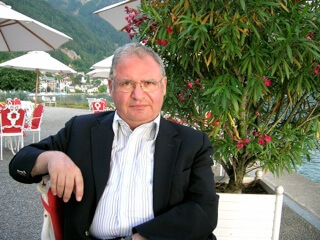
Dave R. Aronson
Dave Aronson was Europe’s leading expert on Delft earthenware. With its blue-and-white pattern it is reckoned to be the oldest in Europe, going back to the 16th century and predating Sèvres, Meissen and Wedgwood porcelain. Aronson did not undergo any formal training to acquire his…
Article Antiques And The Arts Weekly
‘Returning after a five-year absence is Aronson Antiquairs of Amsterdam, best known for Seventeenth Century and Eighteenth Century delftware. Founded by patriarch Leon Aronson in 1881, the family-owned business is directed by father and son Dave and Robert Aronson.’ writing about The Winter Antiques Show,…
Article Antiques Trade Gazette
‘... Aronson Antiquairs at Nieuwe Spiegelstraat, Amsterdam, is known internationally as a top dealership in Dutch faience, particularly Delftware. ... Dave Aronson is a Maastricht fixture, not just as a long-time exhibitor but also as chairman of antiques at the fair ... and chairman of…

Article Veranda
‘… Among the decorative arts, nothing is perhaps more Dutch than Delftware. These striking blue and white as well as polychrome ceramics have long been a staple of important American collections, including those of the Fricks and Mellons … Robert Aronson of Amsterdam-based Aronson Antiquairs,…
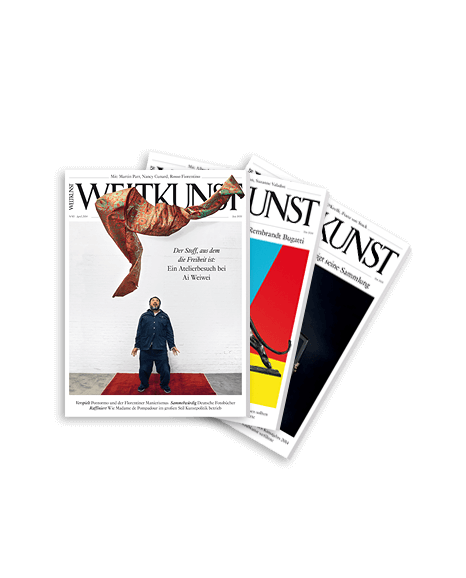
Article Weltkunst (about TEFAF Maastricht)
‘… Datierte Delfter Keramiek ist selten, doch kann Aronson (Amsterdam) einen Krug mit der Datierung 1754 anbieten…’ (…Dated Dutch Delftware is rare, yet Aronson (Amsterdam) is able to offer a jug bearing the date 1754…) Weltkunst (about TEFAF Maastricht) March 2006 website
More in the press about Aronson Antiquairs
‘…Nu, 125 jaar later, is Aronson Antiquairs dé wereldwijde spacialist op het gebied van Delfts aardewerk.’ (…Now, 125 years later, Aronson Antiquairs is the worldwide specialist in the field of Dutch Delftware.) More Than Classic Nr. 1 - 2006 website 'De Amsterdamse Dave Aronson staat…
Article Antiques & Fine Art
‘...A pair of magnificent polychrome and gilded Chinoiserie vases, Delft, circa 1680-85, at Aronson Antiquairs.’ Discussing the also illustrated pair of Hoppesteyn vases as a hightlight at TEFAF Maastricht Antiques & Fine Art Summer 2011 AFAmag.com
Drink Up!
In New York, January 2014 Oh, those wild and crazy 18th-century Dutch. What party animals they were.
Seen and Heard at the European Fine Art Fair: TEFAF Day One
Robert Aronson, the Amsterdam dealer known for his spectacular Delft pottery, nixed rumors that the recent hike in the Dutch Value Added Tax to 19% might prompt TEFAF to move to Brussels. "No one on the executive committee wants that," says Aronson, who is himself an…
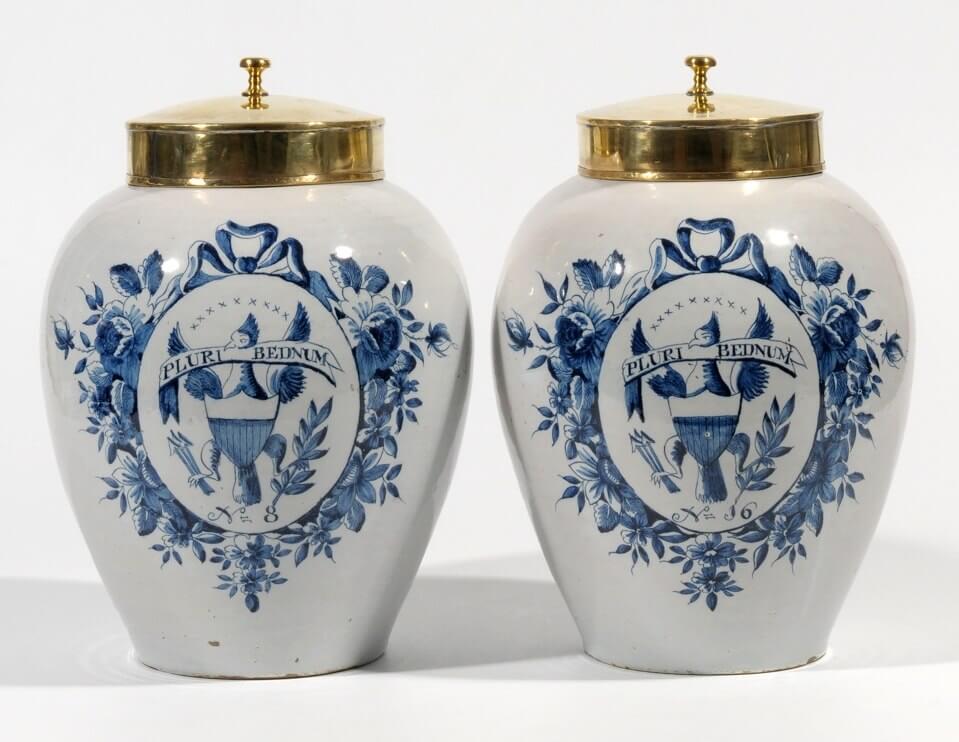
20 Reasons To Love Americana, Day 4
ANTIQUES AND THE ARTS WEEKLY, JANUARY 3, 2012 Today’s blog showcasing standout examples of Americana that will be offered at the Winter Antiques Show January 19–29 at New York City’s Park Avenue Armory proves that two are better than one with a rare pair of…


 CHINESE 阿伦森 WEBSITE