Skip to content

The fan-shaped flower holder: form, function and international origins

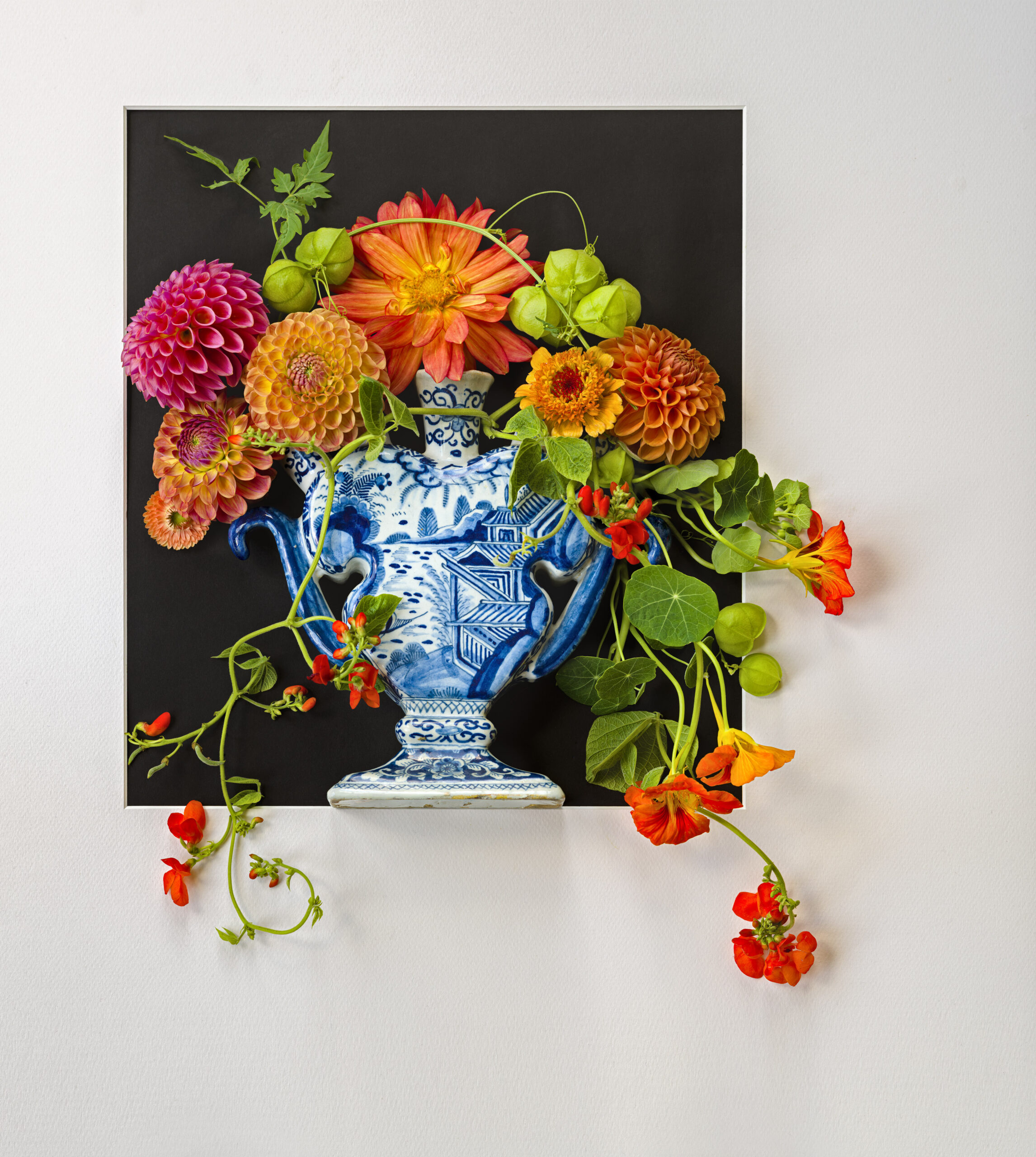
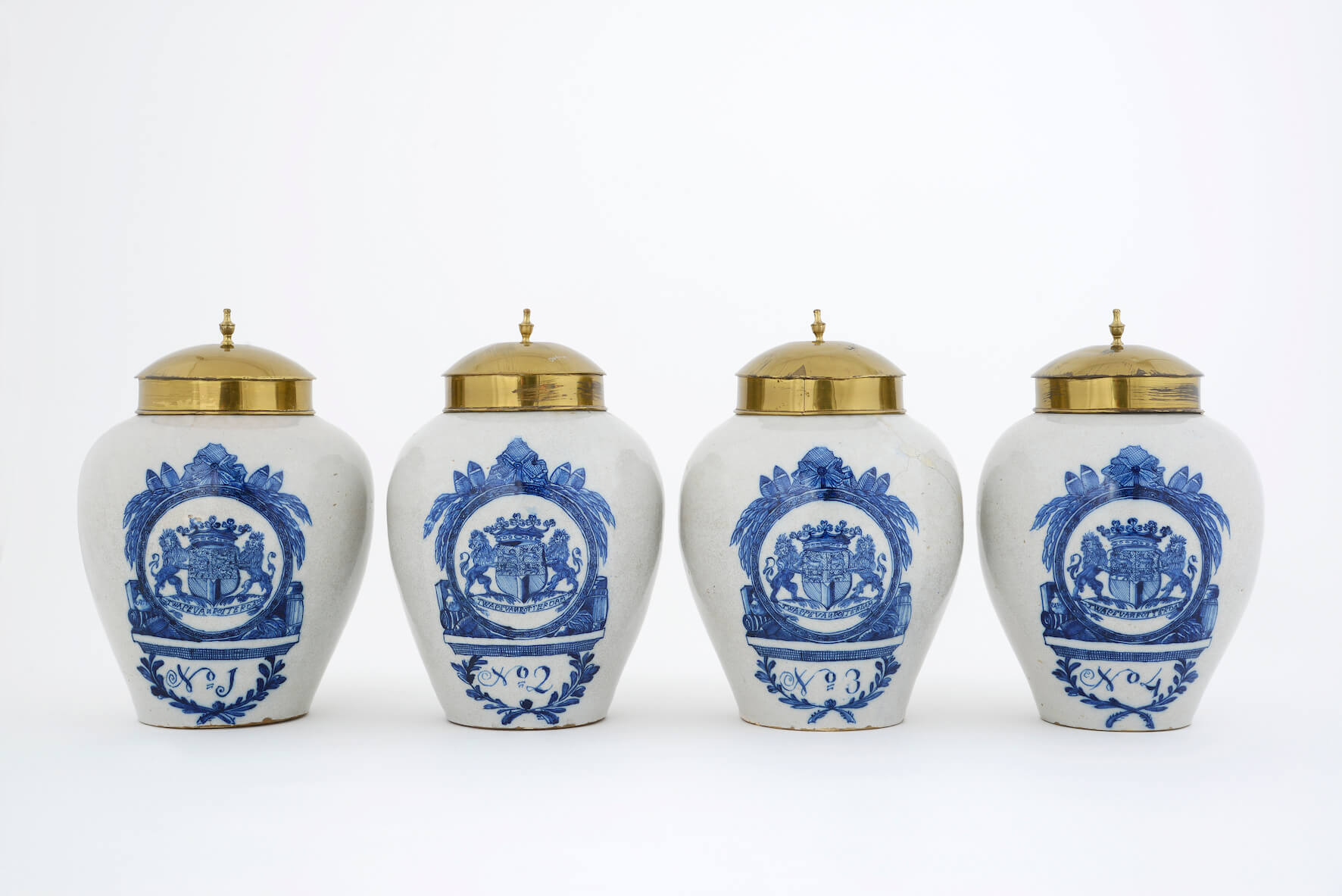
Main image by Marie Louise Photography. Blue and White Flower Vase, marked CK for Cornelis Koppens, owner of De Metaale Pot (The Metal Pot) factory from 1724 to 1757, Delft, circa 1730, Aronson Collection (inv. no. D2211) Delft flower vases with multiple spouts have been admired since their earliest production in the last quarter of…

Sinterklaas and the Shoe: Delft Miniatures in a Dutch Tradition of Giving

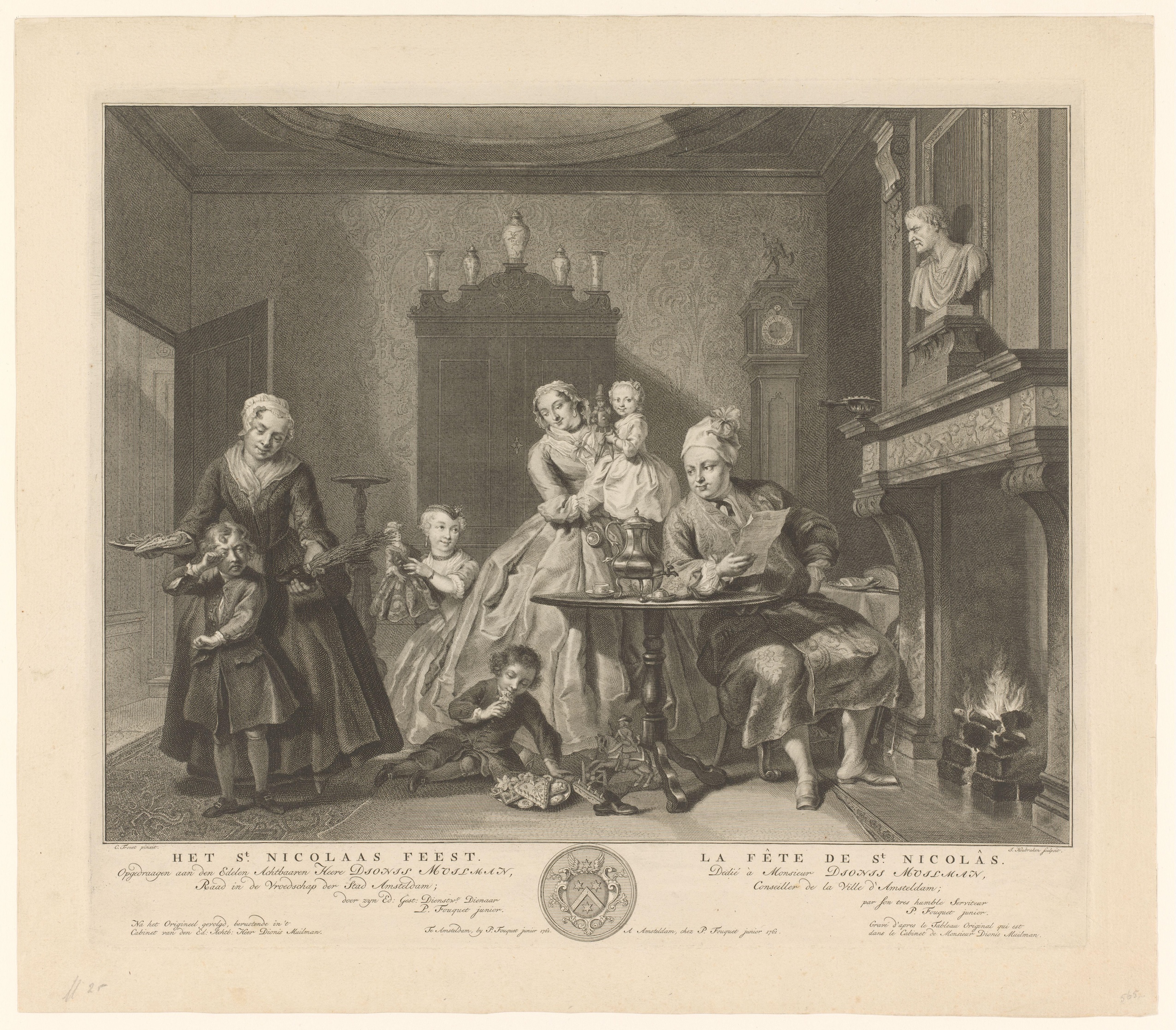
Main image: Jacob Houbraken, Het Sint Nicolaasfeest, Engraving, 1761, Collection Rijksmuseum, Amsterdam (inv. no. RP-P-1938-1443) The footwear worn by the figures in the engraving correspond perfectly with the Delft miniature shoe models. On 5 December, many people in the Netherlands celebrate Sinterklaas (Saint Nicholas), a time-honored occasion rich in history, ritual, and joy. It is…

The Graceful and the Playful: Lange Lijs and Zotje on Delft faience

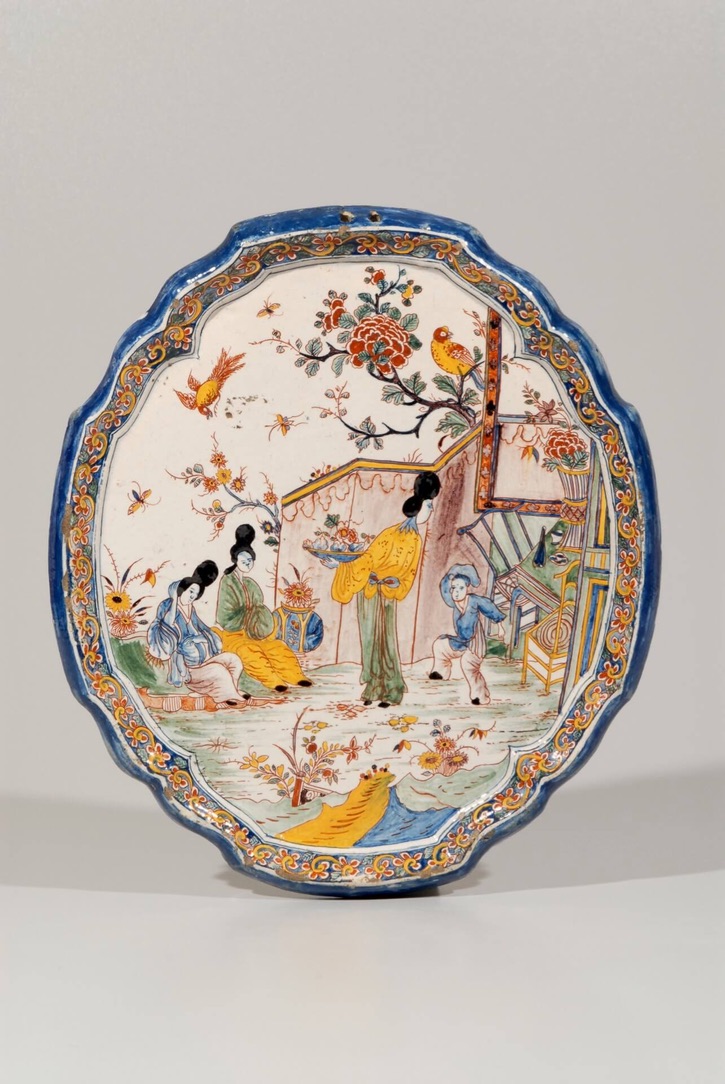
Main image: Polychrome plaque, Delft, circa 1740-1760, former Aronson Collection (inv. no. D0731) Since Chinese porcelain entered the Dutch market around 1600, it captured people’s imagination and laid the foundation for Delft faience. One of the most fascinating aspects of this cultural exchange is the transformation of Chinese motifs, often associated with deep symbolic meanings,…

Japanese Influences on Dutch Delftware

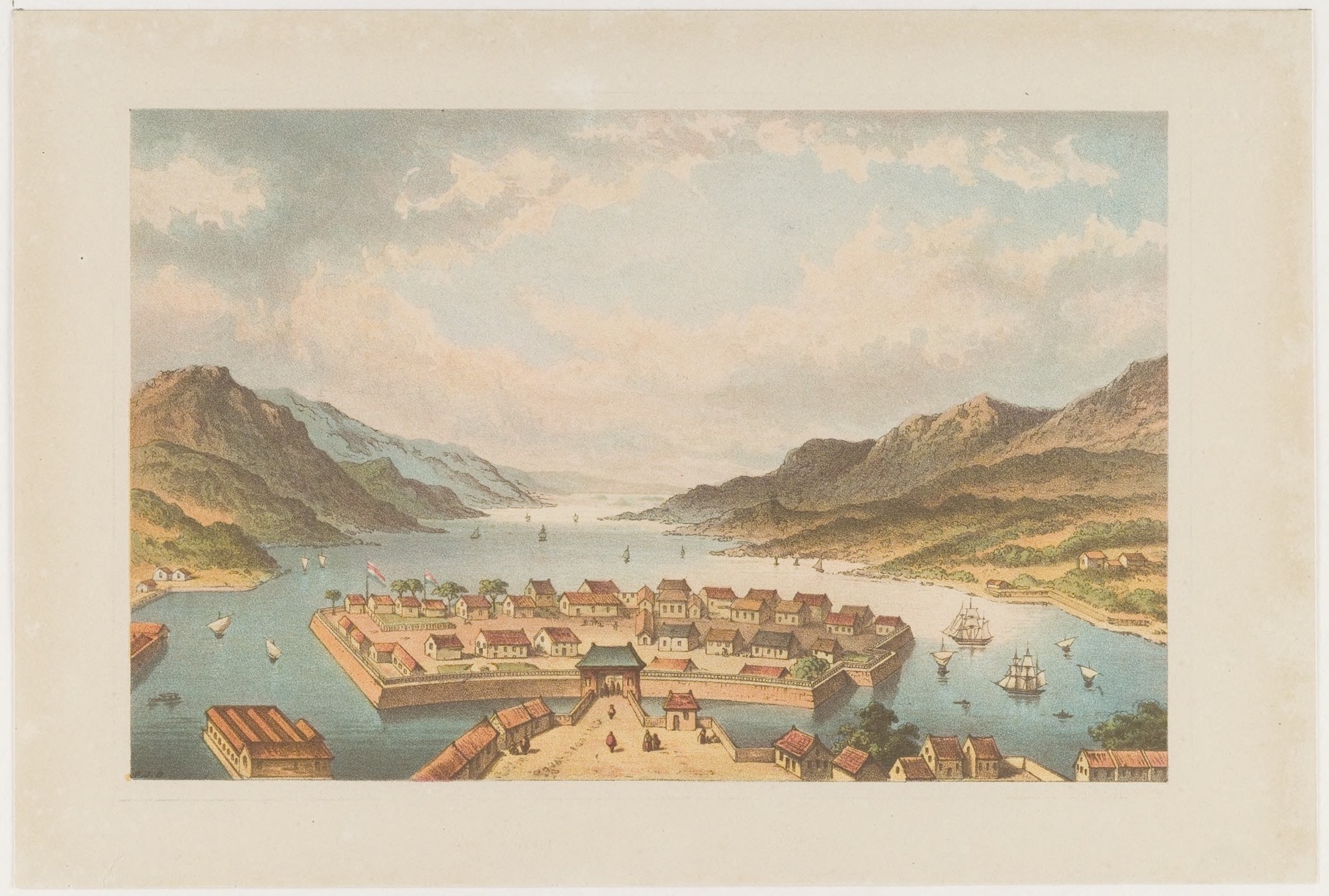
Main image: View on the Dutch trade base on Deshima, circa 1890, Leiden University Libraries (shelf no. KITLV 36D536) Since 2006, CAMERA JAPAN has been an annual celebration of Japanese culture, taking place each autumn in Rotterdam. This year, the festival runs from September 24–28. While rooted in contemporary Japanese cinema, its scope extends far…

Models and Molds

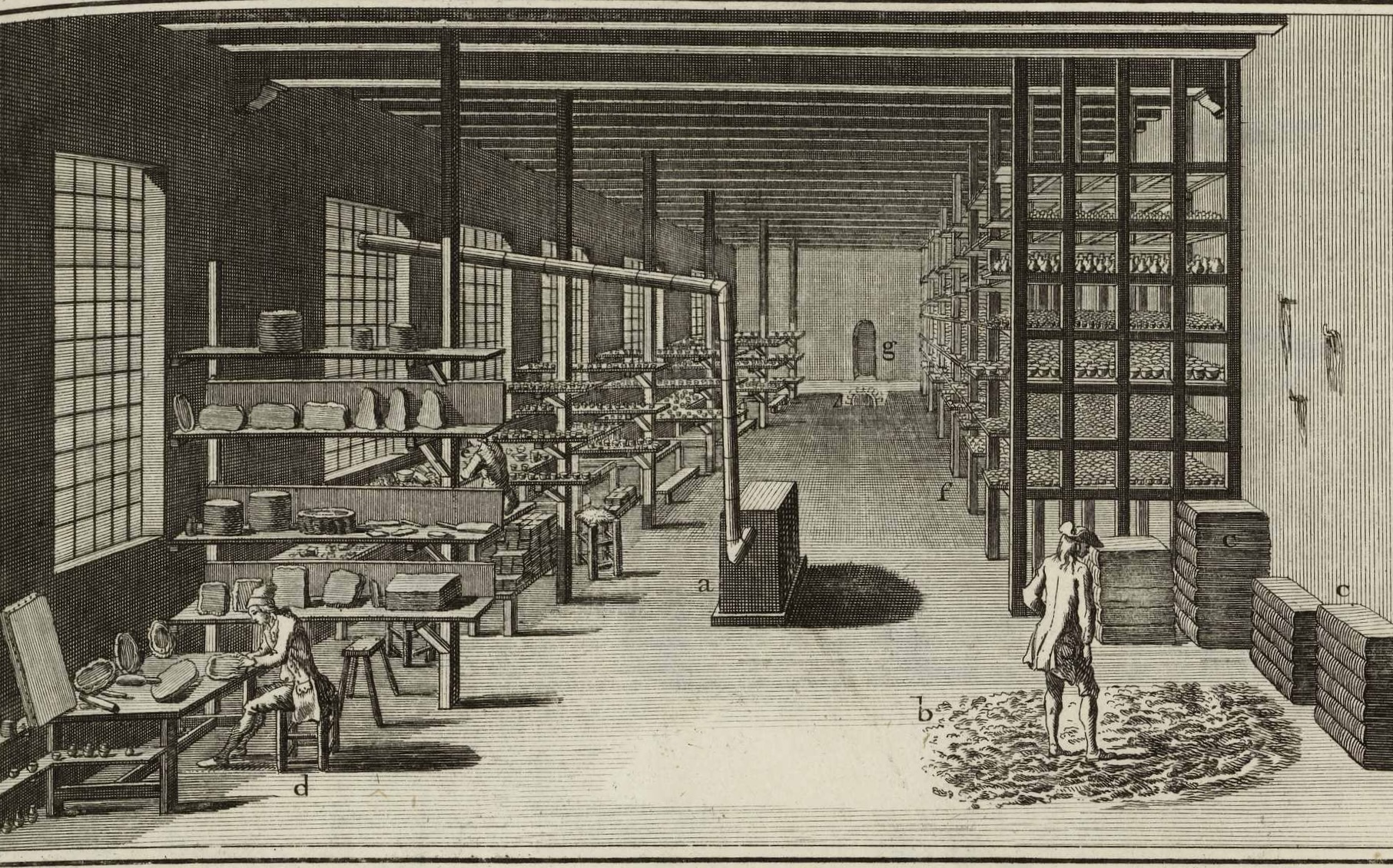
Models and Molds Today, the variety of forms in ceramics seems virtually limitless, especially with the aid of modern technologies like 3D printing. In the seventeenth and eighteenth centuries, however, crafting ceramic objects that could not be thrown on a potter’s wheel demanded the expertise of a specialist known as the vormer (molder). This craftsman…

The Obelisk: From Solar Monolith to Delft Masterpiece

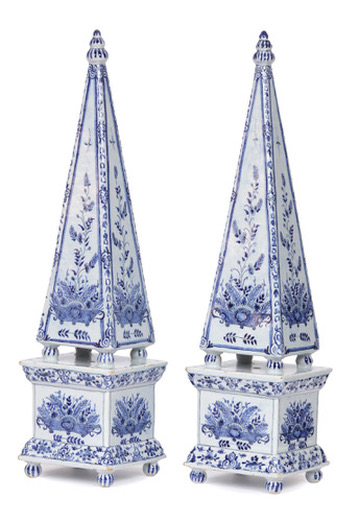
An obelisk is a four-sided, tapering monolithic pillar that ascends with majestic precision, culminating in a pyramidion—a small, pointed pyramid at its peak. Originating in ancient Egypt, these towering forms have long captivated the imagination for their awe-inspiring height and celestial symbolism, earning them the moniker “skyscrapers of the past.”(1) Their impressive presence has fascinated…

De Drie Klokken: Behind Every Great Factory

History For a factory that has been in operation for nearly two centuries, surprisingly little has been documented about De Drie Klokken (The Three Bells) factory. However, through the analysis of literature, archival sources, and the finely crafted Delft faience produced at De Drie Klokken, we aim to develop a more comprehensive understanding of its…

Delft Blue: A Marvelous Reunion

Our profession is centered on research, discovery, and making connections. This month’s article recounts the extraordinary story of a magnificent 17th-century garniture set that was unexpectedly reunited at Aronson Antiques—a remarkable twist of fate one could only dream of. In early summer 2024, we had the privilege of acquiring a stunning pair of vases from…

Back To Top