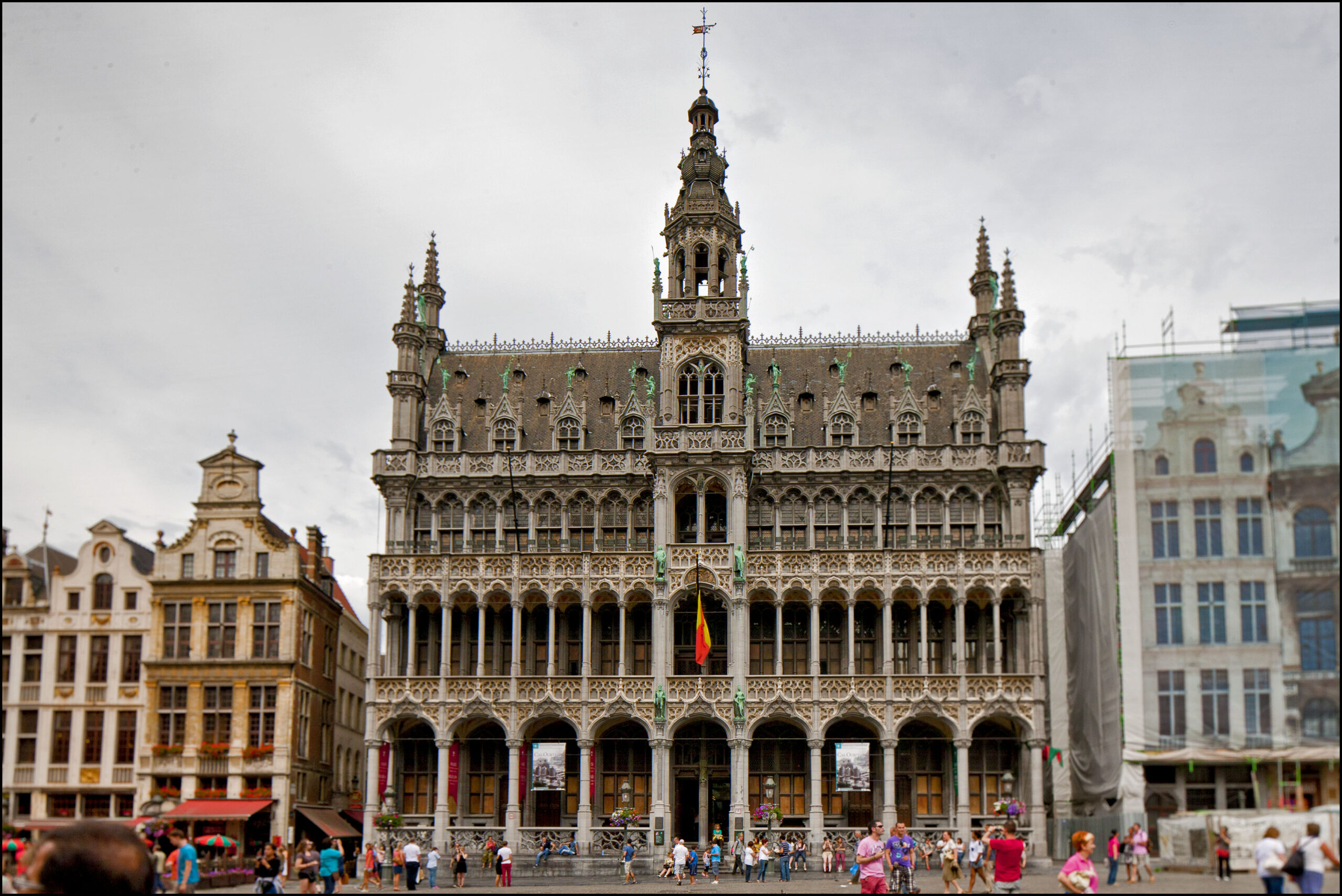
Overlooking Brussels’ magnificent Grand Place, the Museum of the City of Brussels serves as both a historical archive and a civic treasure. Located in the Maison du Roi, or Broodhuis in Dutch, the museum occupies one of the square’s most imposing buildings, offering an immersive journey through the political, artistic, and social development of the Belgian capital.
The Maison du Roi has occupied a central role in the life of Brussels since the Middle Ages. Originally constructed in the early thirteenth century as a covered bread market (broodhuis), the building stood directly opposite the Town Hall, symbolizing the balance between civic and commercial life. Over time, the structure was repurposed to house administrative offices of the Duke of Brabant, earning it the moniker Maison du Duc. When the Habsburgs came to power, it was renamed Maison du Roi, the King’s House, even though no monarch ever resided there.
In the nineteenth century, the deteriorated medieval structure was demolished and replaced with the current neo-Gothic building. Designed in the spirit of national romanticism, it was intended to reflect the grandeur of the late Middle Ages while serving a modern civic function. By 1887, the Maison du Roi was officially inaugurated as the Museum of the City of Brussels, entrusted with collecting, preserving, and presenting objects that tell the story of the capital and its citizens.
Today, its collections include over 7,000 objects, spanning from the Middle Ages to the present. Paintings, maps, sculptures, textiles, ceramics, photographs, and architectural fragments are all displayed across several themed galleries, arranged chronologically and thematically.
One of the museum’s most distinctive features is its focus on Brussels as a living, evolving city. Its holdings include original statues from the façade of the Town Hall, masterworks of Gothic stone carving, as well as richly woven sixteenth-century tapestries that once decorated ceremonial chambers. The museum also houses the original seventeenth-century statue of Manneken Pis, along with a rotating display of over 1,000 costumes donated by foreign dignitaries, cultural groups, and private citizens.
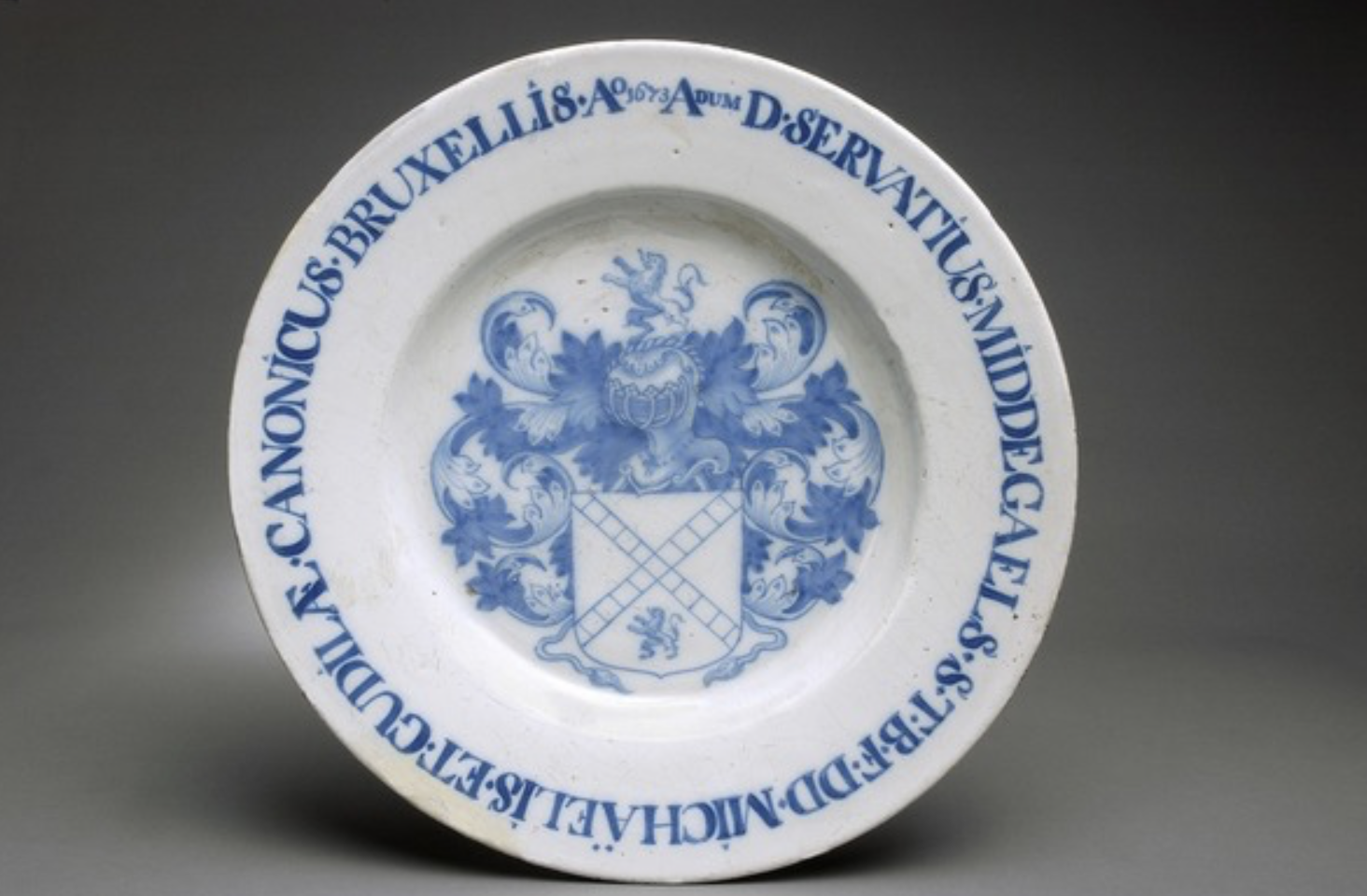
Among the museum’s decorative arts, ceramics play a subtle yet meaningful role. Although not a ceramics museum in the strict sense, the Museum of the City of Brussels features domestic pottery, faience, and imported earthenware that reflect everyday use and elite taste alike. These objects also speak to Brussels’ position within a vibrant network of artistic exchange, particularly with neighboring Holland.
 CHINESE 阿伦森 WEBSITE