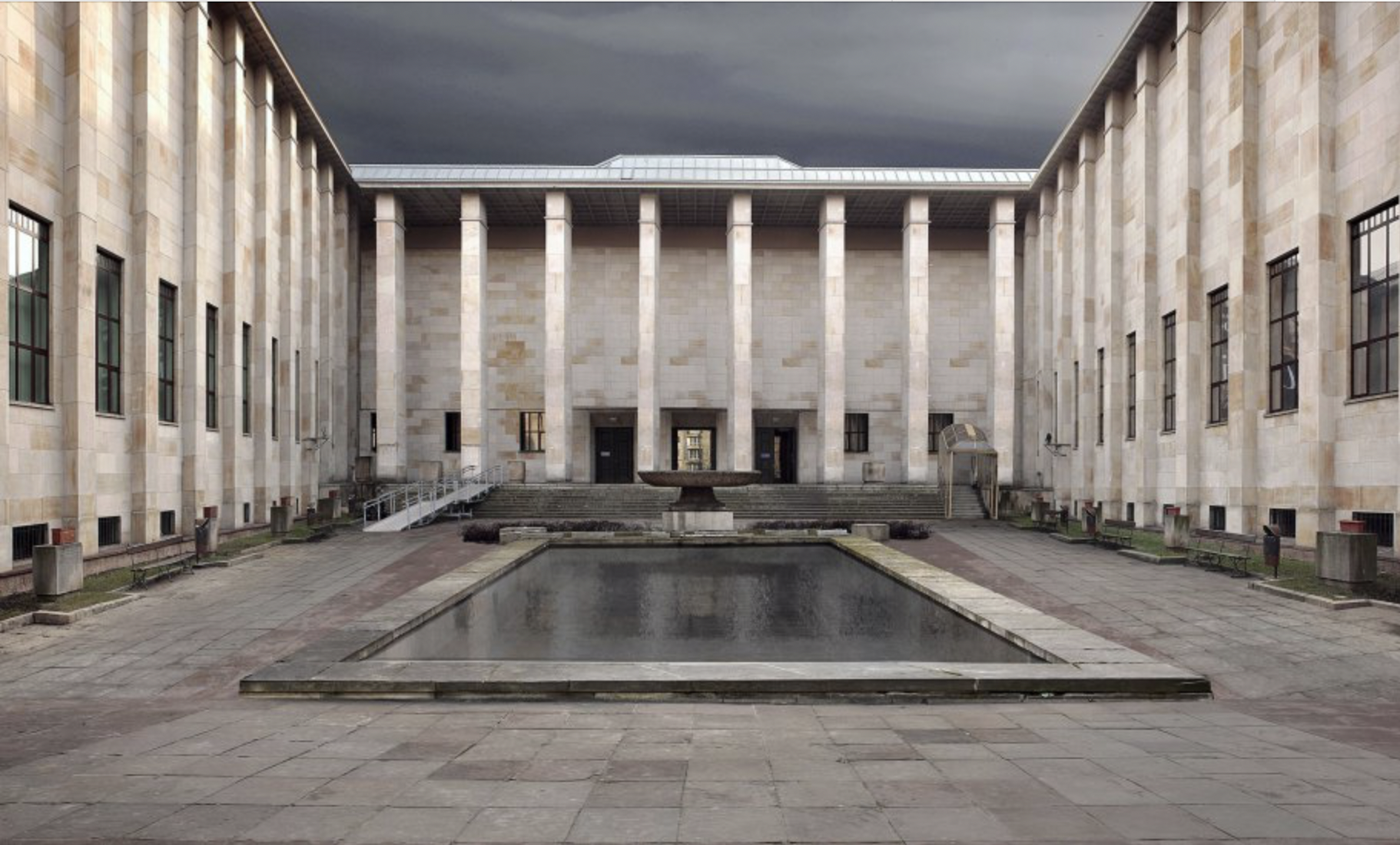
Founded in 1862 as the Museum of Fine Arts, the National Museum in Warsaw (Muzeum Narodowe w Warszawie, or NMW) is among Poland’s oldest and most esteemed art institutions. Rooted in a desire to preserve and celebrate national artistic heritage, the museum’s evolution closely mirrors the country’s own turbulent yet resilient history. Following Poland’s return to independence in 1918, the museum was re-envisioned as a cornerstone of national identity. As part of this ambition, a new modernist building was commissioned, constructed between 1927 and 1938—an architectural expression of both stability and cultural rebirth in the capital city of Warsaw.
Today, the National Museum in Warsaw houses an extraordinary collection of approximately 830,000 works of art, encompassing a broad historical and geographical spectrum. From antiquity to the present, the holdings include paintings, sculptures, drawings, prints, photographs, coins, textiles, ceramics, and utilitarian objects, as well as a growing corpus of modern design.
The museum’s strength lies not only in its breadth but in the thoughtful way it integrates Polish heritage into the wider European and global narrative. Galleries dedicated to Old Masters, Medieval sacred art, nineteenth-century Romanticism, and avant-garde modernism present a cohesive and immersive experience, supported by scholarly interpretation and dynamic curation.
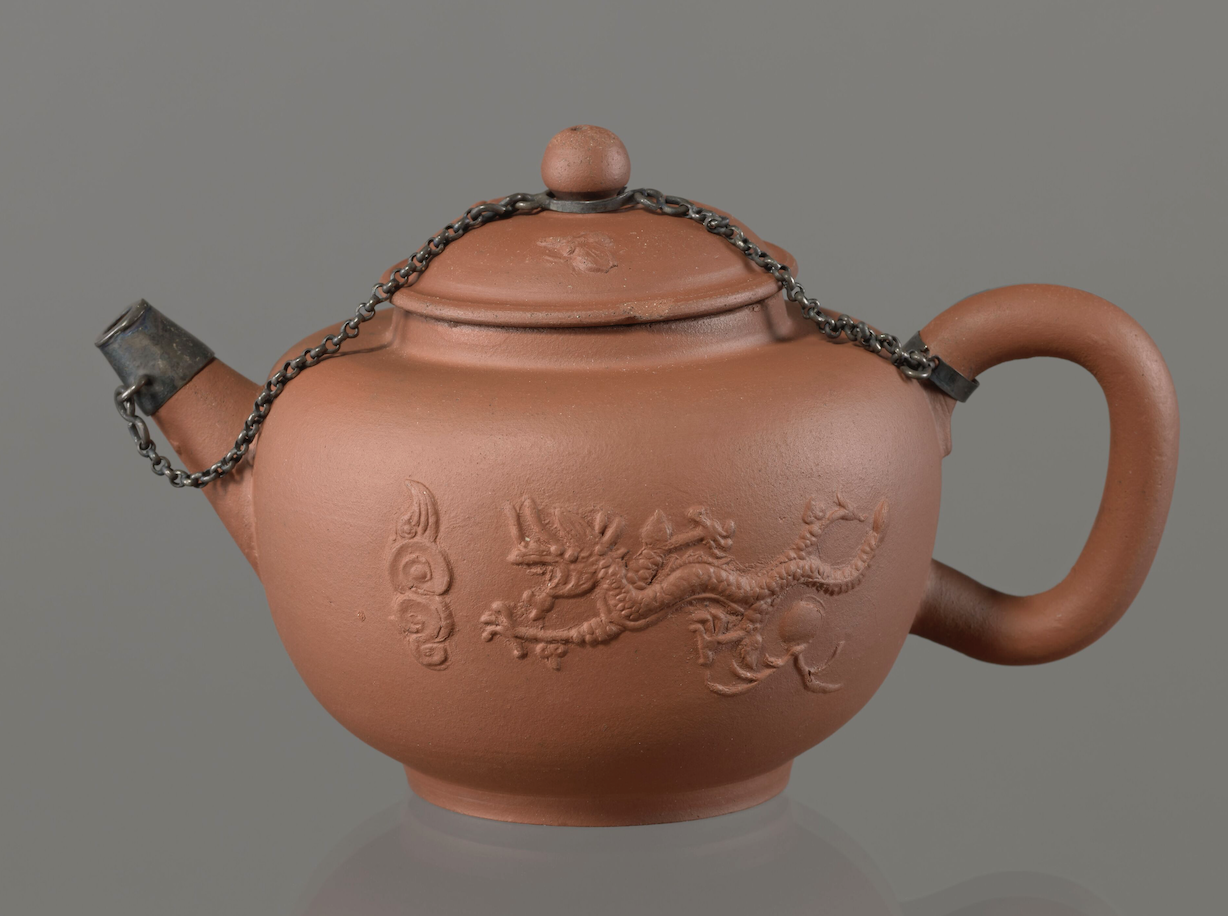
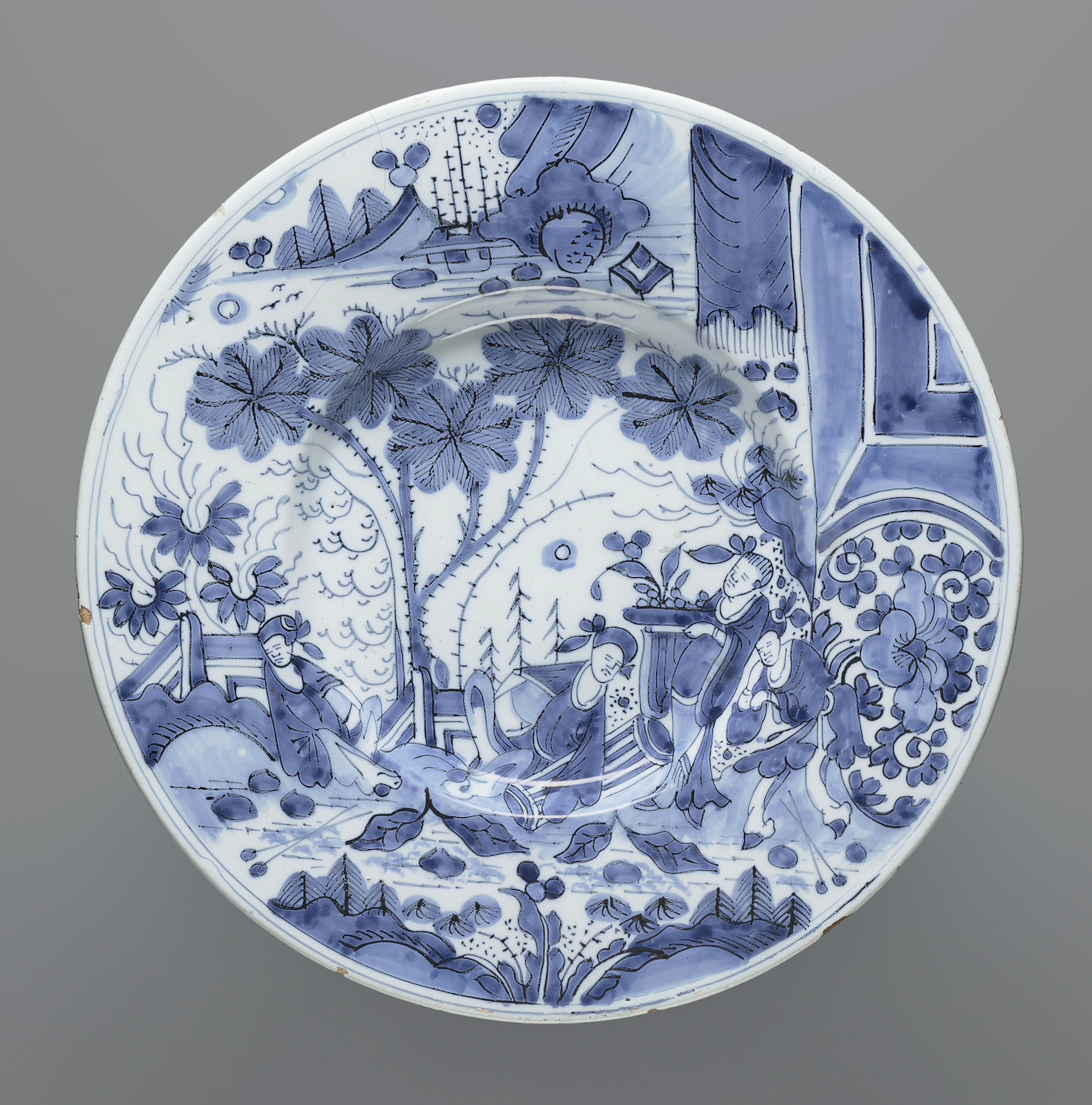
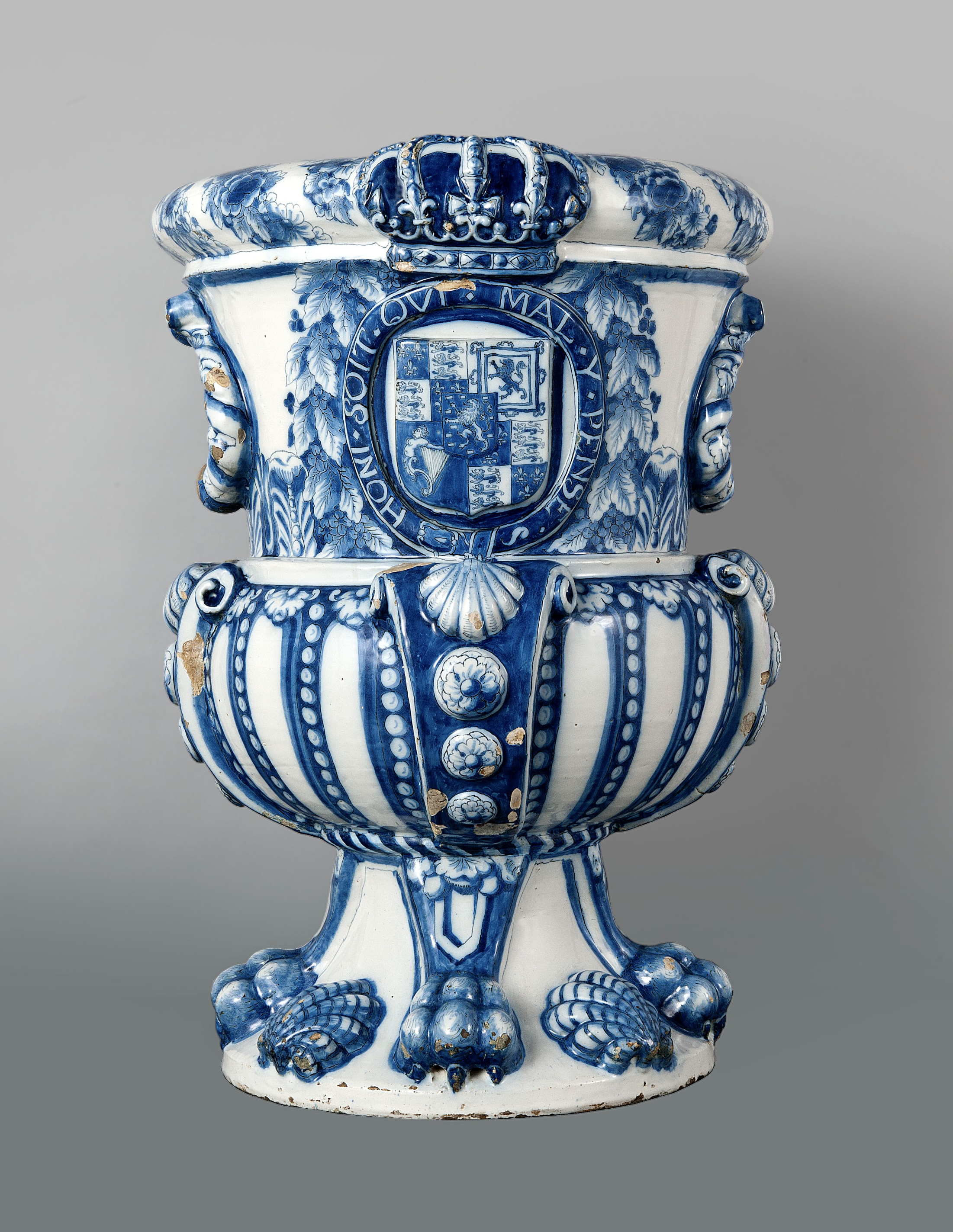
The museum’s Western European collections include a rich array of Dutch and Flemish paintings, drawings, and prints from the sixteenth to eighteenth centuries. These works, ranging from portraits and landscapes to genre scenes and still lifes, reflect the profound influence of the Dutch Golden Age throughout Europe, including in the Polish-Lithuanian Commonwealth. The museum also houses a collection of Delftware, particularly from around 1700, featuring blue-and-white plates and dishes, as well as ewers, a large flower urn, and a red stoneware teapot.
 CHINESE 阿伦森 WEBSITE