
Images on this website are licensed under a
Creative Commons Attribution-NoDerivs 3.0 Unported License.
OBJECT
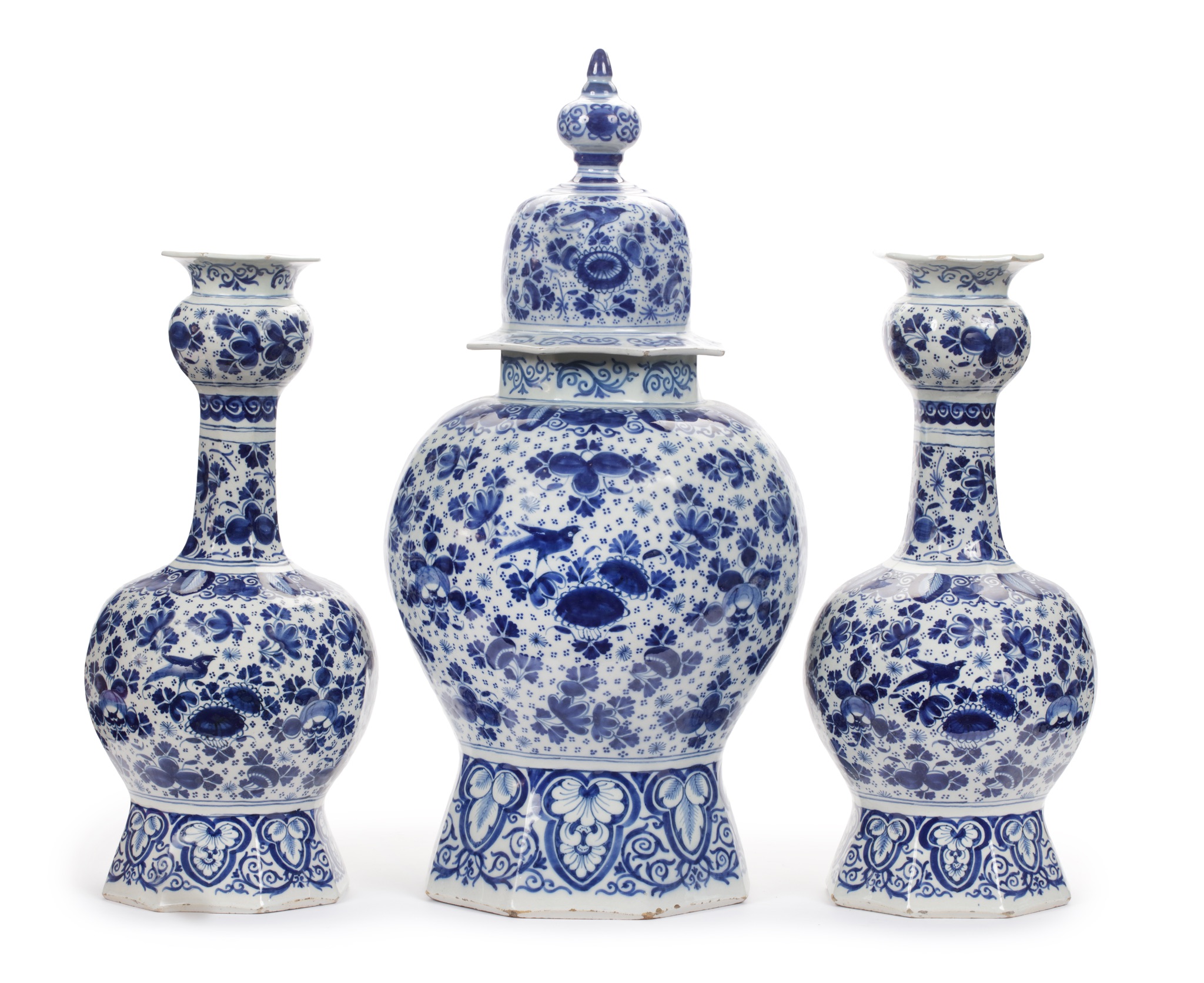
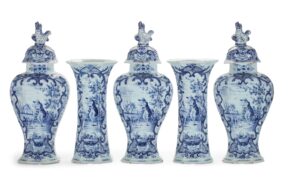
•D2623. Garniture Set
Delft, circa 1700
Marked PK 2 in blue for Pieter Kam, owner of De Drie Posteleyne Astonne (The Three Porcelain Ash-Barrels) factory from 1700 until 1705 and thereafter used by his widow Maria Kam-van der Kloot until 1716
PROVENANCE
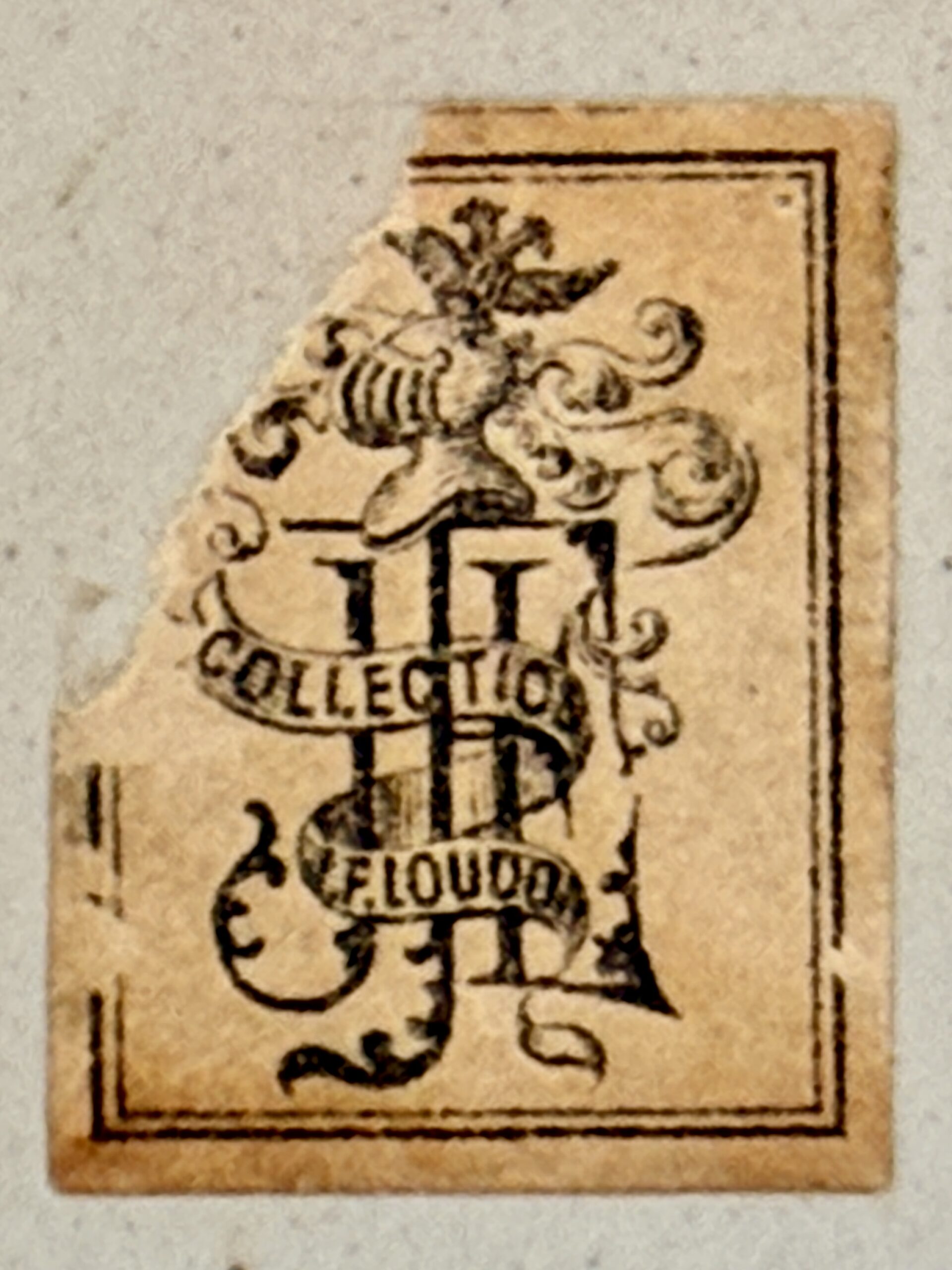
John F. Loudon Collection
DIMENSIONS
Heights: 53 and 40.2 cm. (20.9 and 15.8 in.)
NOTE
Founded in 1655 by Jeronimus Pietersz. van Kessel, De Drie Posteleyne Astonne factory was among the earliest Delftware manufactories established along the Geer in Delft. Known variously as De 3 Astonne, De 3 Vergulde Astonnekes, and De 3 Posteleyne Astonne (The Three [Gilded or Porcelain] Ash-Barrels), the factory played a significant role in the formative decades of Delft blue-and-white production. Following Van Kessel’s death in 1660, his widow managed the enterprise until 1667, when it was sold.
By 1673 the factory was jointly owned by Gerrit Pietersz. Kam (born 1652), admitted to the Guild of Saint Luke in 1667, and Wouter van Eenhoorn. After Van Eenhoorn’s death in 1678, Kam assumed sole control and operated the factory independently from 1679 until 1700, when ownership passed to his eldest son, Pieter Gerritsz. Kam. In 1701 Gerrit Pietersz. Kam and his youngest son David became co-owners of De Paauw (The Peacock) factory. Both Gerrit and Pieter died in 1705, after which Pieter’s widow, Maria van der Kloot-Kam, continued to run De Drie Posteleyne Astonne through at least 1716, still employing her husband’s PK mark.
The present garniture set is notable for its early date, as fully developed garnitures were still relatively uncommon in Delft around 1700. Comprising a central covered vase flanked by two bottle-shaped vases, the ensemble reflects an emerging interest in coordinated display groups intended for architectural settings such as mantelpieces. The forms are robust yet carefully proportioned, with octagonal bases and swelling bodies that provide ample surfaces for painted decoration.
The decoration is executed in a dense blue and white palette, featuring a continuous all-over floral and vegetal pattern enlivened by birds in flight. Rather than relying on large narrative scenes, the painter opted for a richly filled surface, minimizing empty space in a manner consistent with late seventeenth-century Delft aesthetics and inspired by contemporary Chinese porcelain. The repetition of motifs across all three pieces reinforces the visual unity of the set, underscoring its function as a cohesive garniture rather than as individual objects.
 CHINESE 阿伦森 WEBSITE