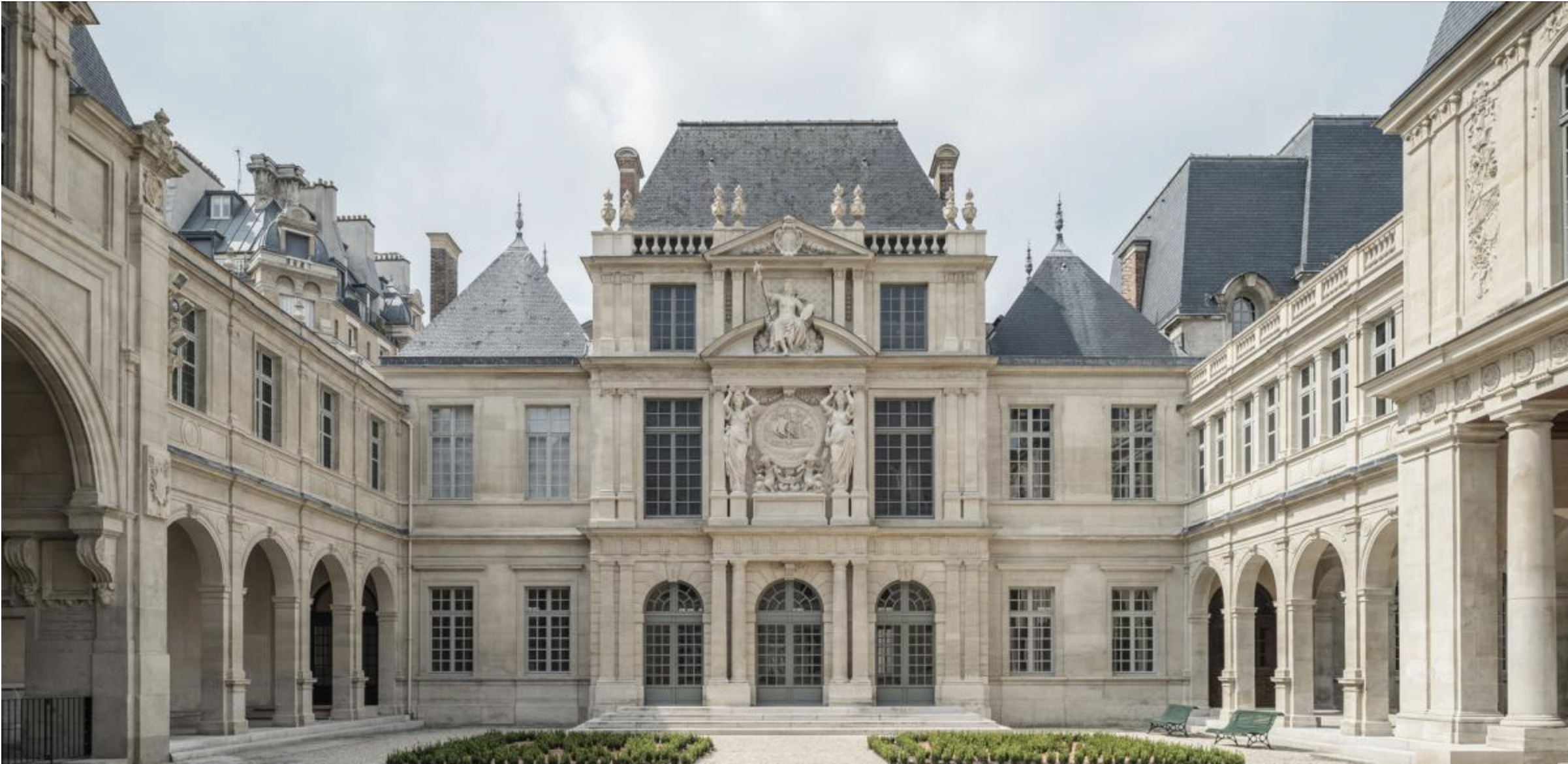
The Musée Carnavalet in Paris is dedicated to the history of the city. The museum occupies two neighboring mansions: the Hôtel Carnavalet and the former Hôtel Le Peletier de Saint Fargeau. On the advice of Baron Haussmann, the civil servant who transformed Paris in the latter half of the nineteenth century, the Hôtel Carnavalet was purchased by the Municipal Council of Paris in 1866 and opened to the public on February 25, 1880. Since 1880, the museum has been substantially enlarged, with the construction of new buildings and the annexation of the Le Peletier de Sant-Fargeau mansion in 1989. The museum’s architecture now offers a history spanning more than 450 years.
 For over 150 years, the continuously enriched museum collections have told the story of Paris, from prehistory to the present. The current collections on display are presented within the two seventeenth century residences, the Hôtels Carnavalet and Le Pelletier de Saint-Fargeau. Some rooms have their original decoration intact, while others have been recreated with furnishing and decoration of a certain period. They include furnished rooms from historic residences from the 16th, 17th, 18th, 19th and 20th centuries.
Located at 23 Rue de Sévigné, the Hôtel des Ligneris (known as “Carnavalet”) is one of the rare examples of Renaissance architecture in Paris, along with the Louvre’s Cour Carrée. Built in the mid-sixteenth century (1548-1560) for Jacques des Ligneris, President of the Paris Parliament, it is one of the oldest Marais District private mansions in Paris.
 The Hôtel Le Peletier de Saint-Fargeau is located at 29 rue de Sévigné. It was built between 1688 and 1690 for Michel Le Peletier de Souzy (1640-1725), according to plans made by Pierre Bullet (1639-1716), Architect of the King and the City, and has a remarkable orangery.
With the growth of Paris, the idea of a museum dedicated to the history of the city became popular during the Second Empire (1852-1870). Since the beginning, the museum has been dedicated to collecting authentic objects “having belonged to” a well-known person and with a strong individual and collective emotional resonance. The Carnavalet Museum features, among others, the campaign kit belonging to Napoleon I, mementos of the French royal family and the revolutionaries, Zola’s watch and the bedroom and personal affairs of Marcel Proust.
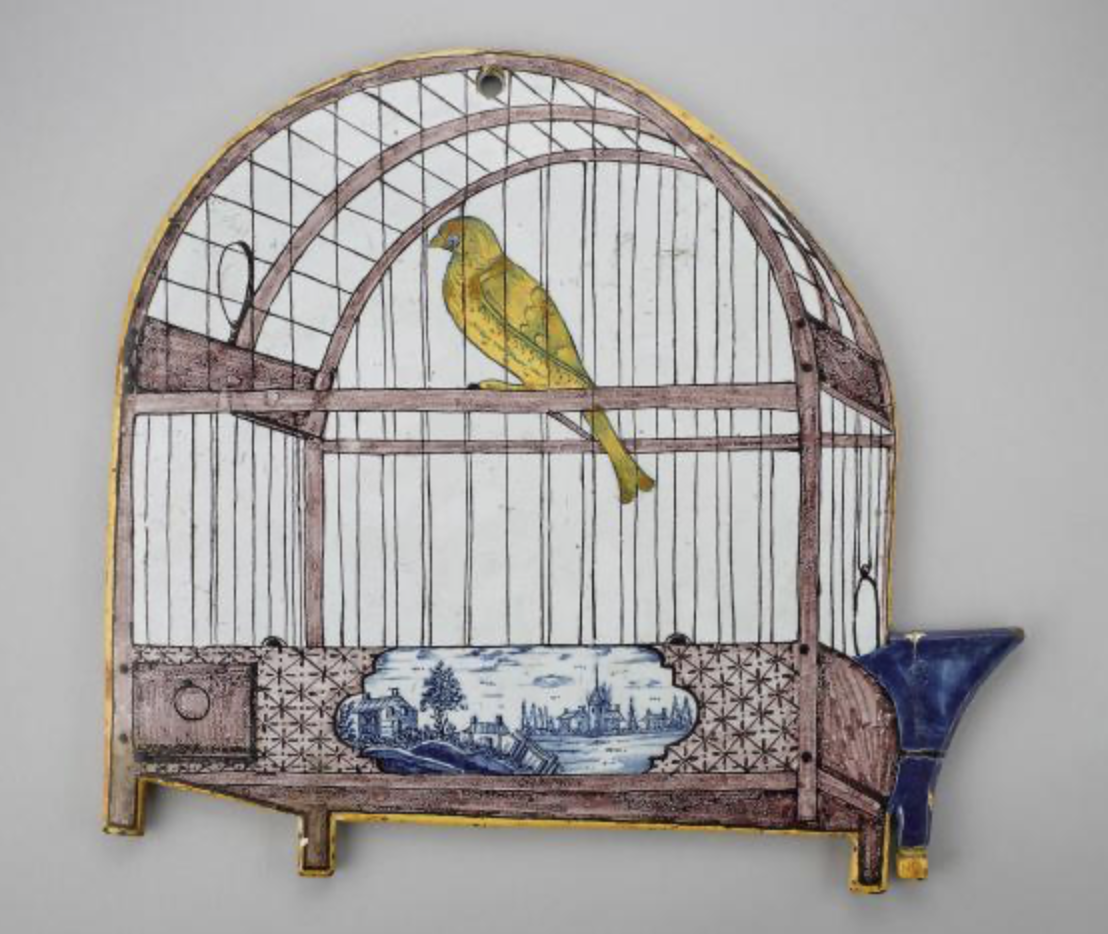
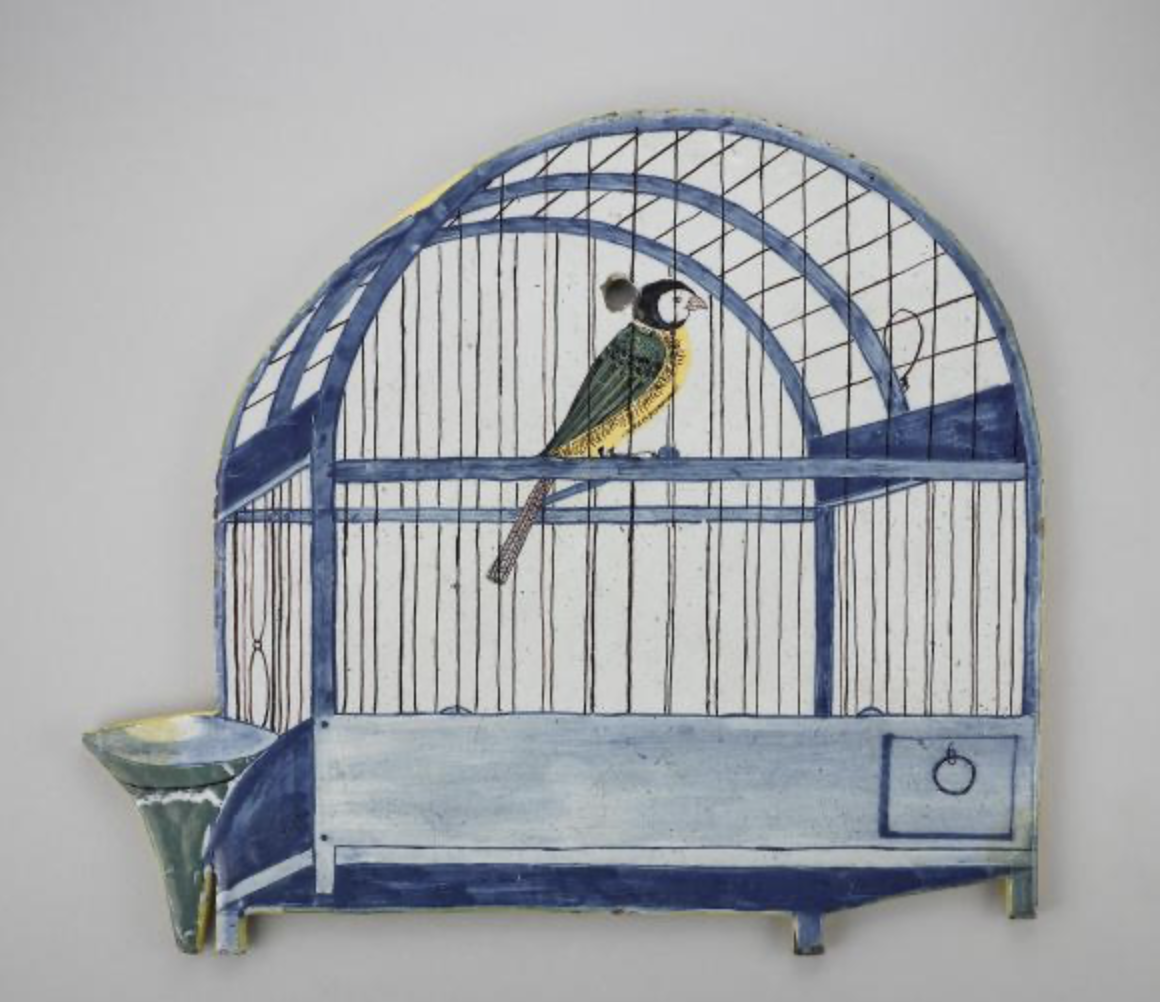
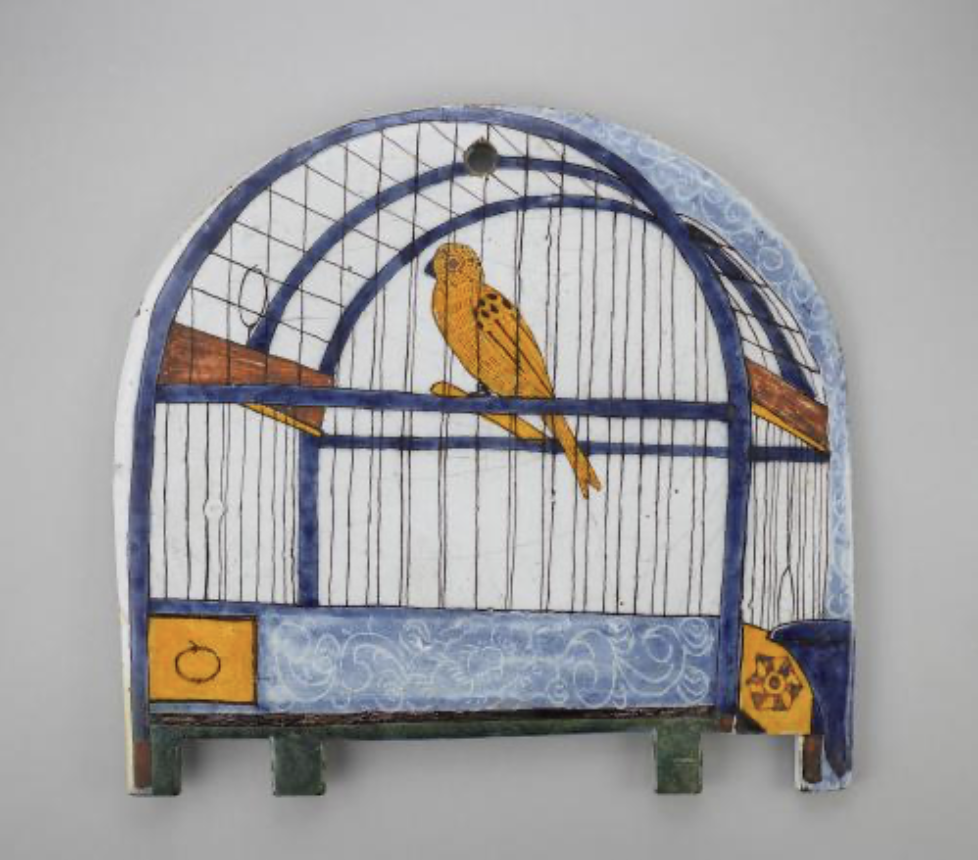 Today the Carnavalet-History of Paris Museum contains over 618,000 items dating from prehistory to the present. Paintings, sculptures, scale models, shop signs, drawings, engravings, posters, medals and coins, historical objects and souvenirs, photographs, wood paneling, interior decorations and furniture combine to present the history and tell the unique story of the capital. The collection also houses three Delftware plaques in the shape of birdcages. Birdcage plaques were typically part of the architectural scheme of a room, sometimes set within a wall amongst other tiles. The trompe l’œil decoration was an intended effect to seamlessly blend into the interior, and perhaps match the room’s decorative trimmings. These birdcage plaques demonstrate the trompe l’œil (deceive the eye) technique, a style often used in old master paintings to captivate and fool the viewer. The Delft potters probably took inspiration from seventeenth-century still life paintings with trompe l’œil effects. They show a scene with painted depth and realistic details, which were intended to create an optical illusion. Birdcages painted with realism are also commonly depicted in seventeenth-century genre paintings as well as trompe l’œil paintings.
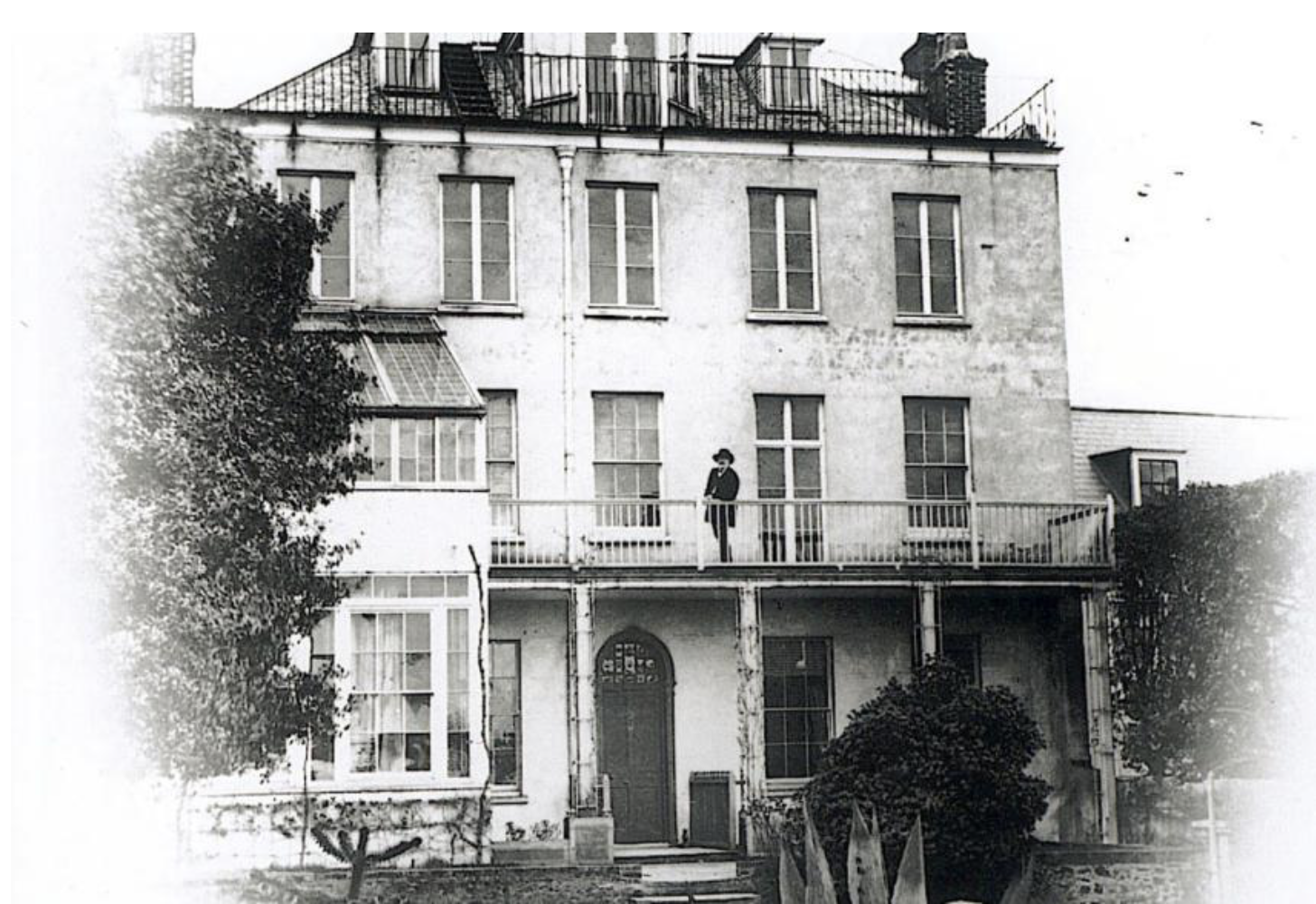
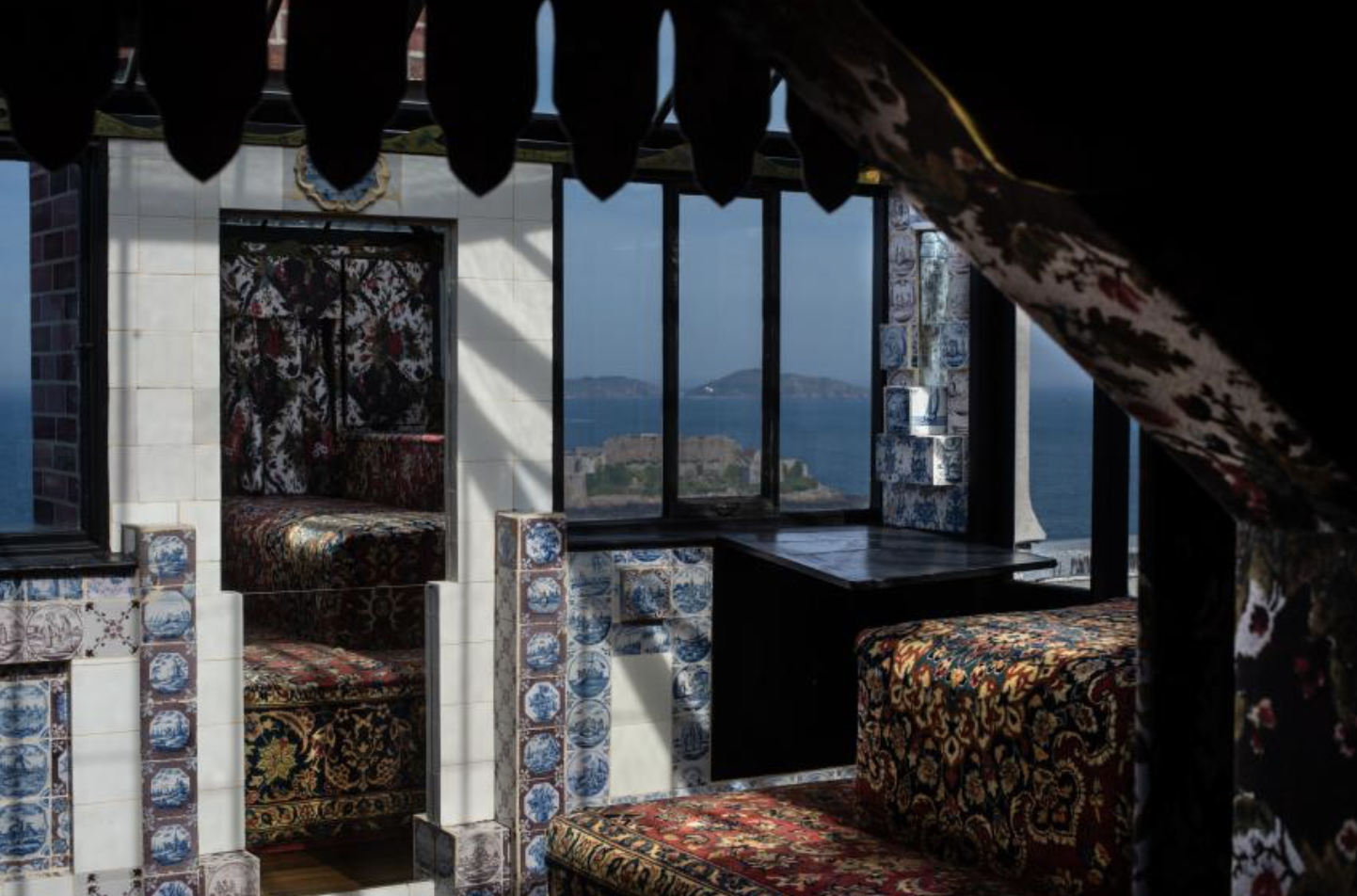
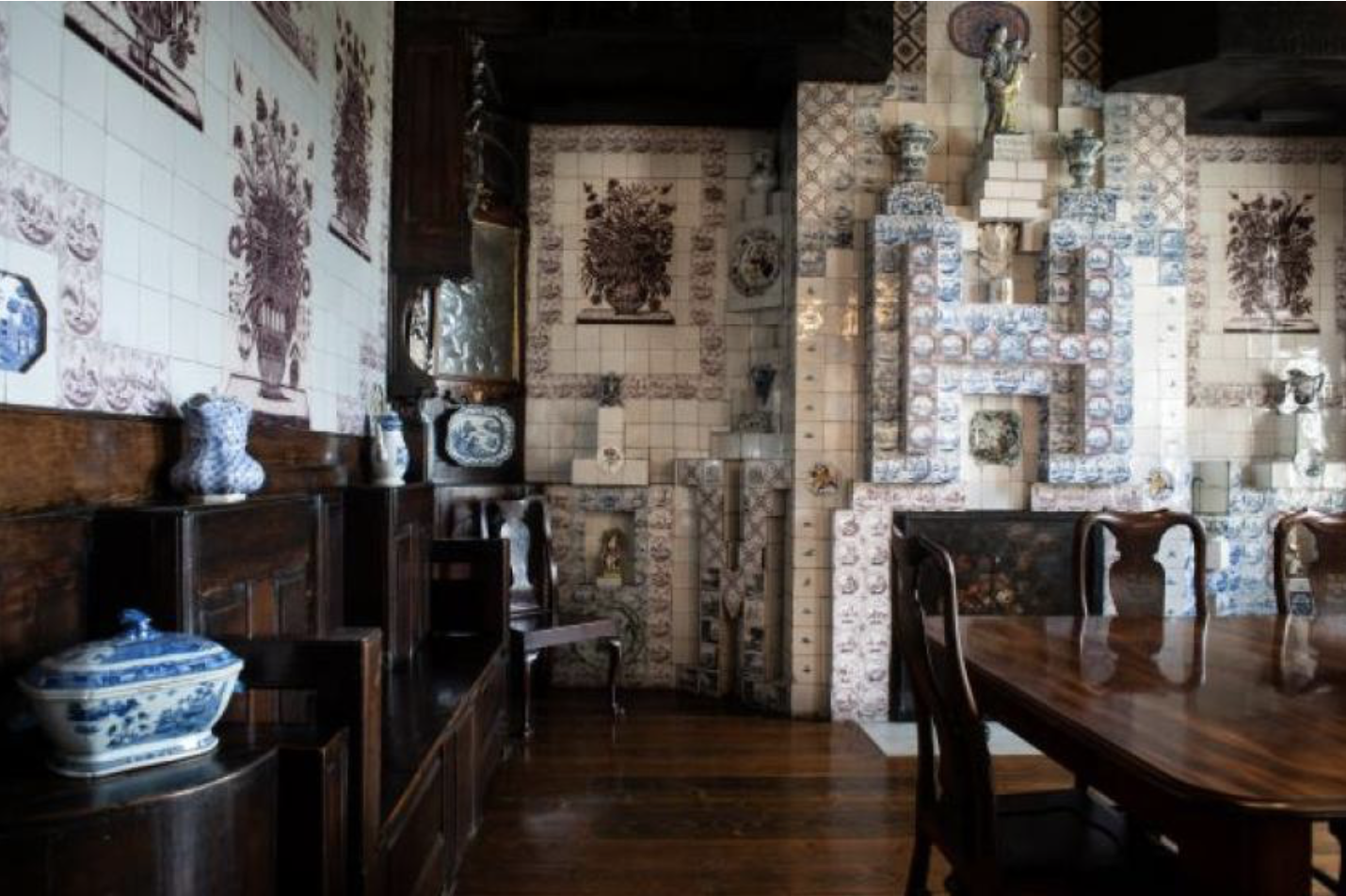
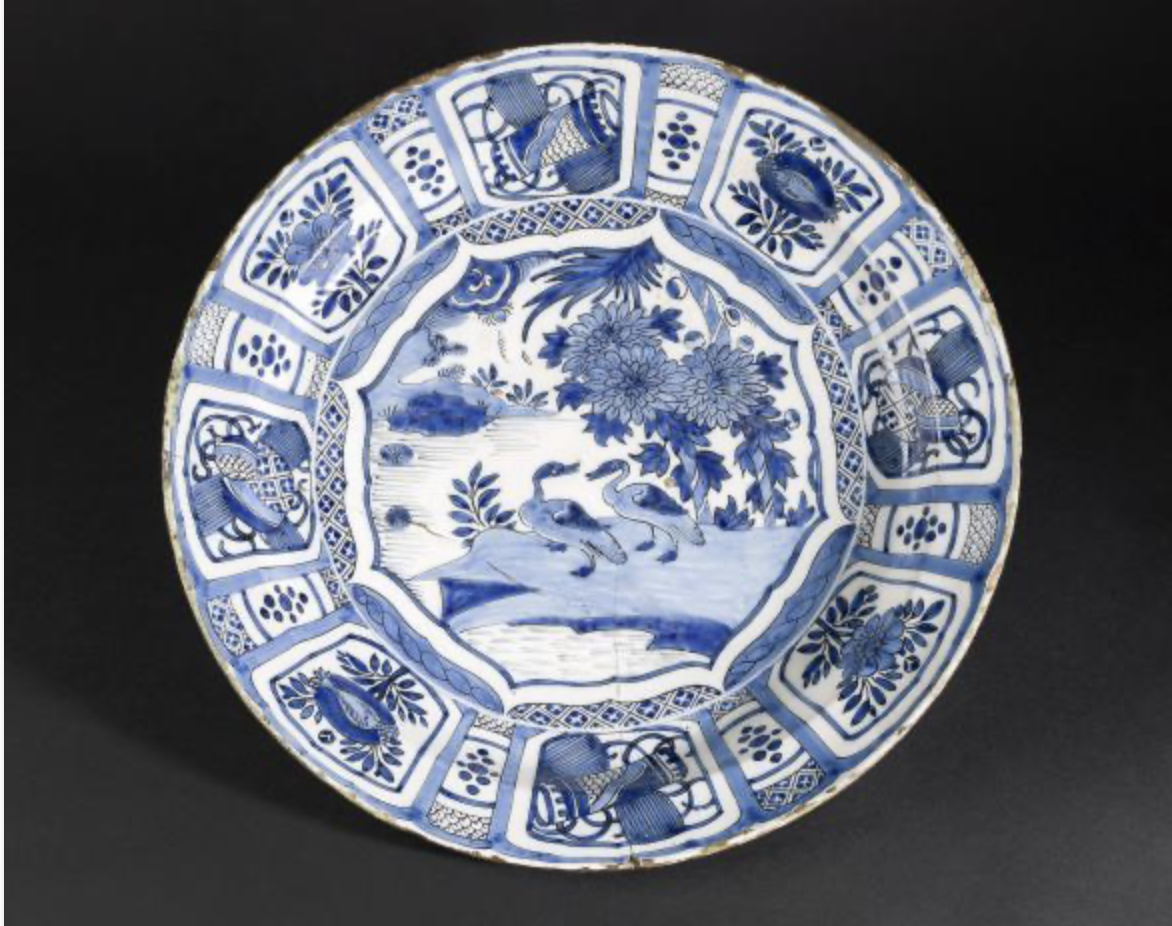
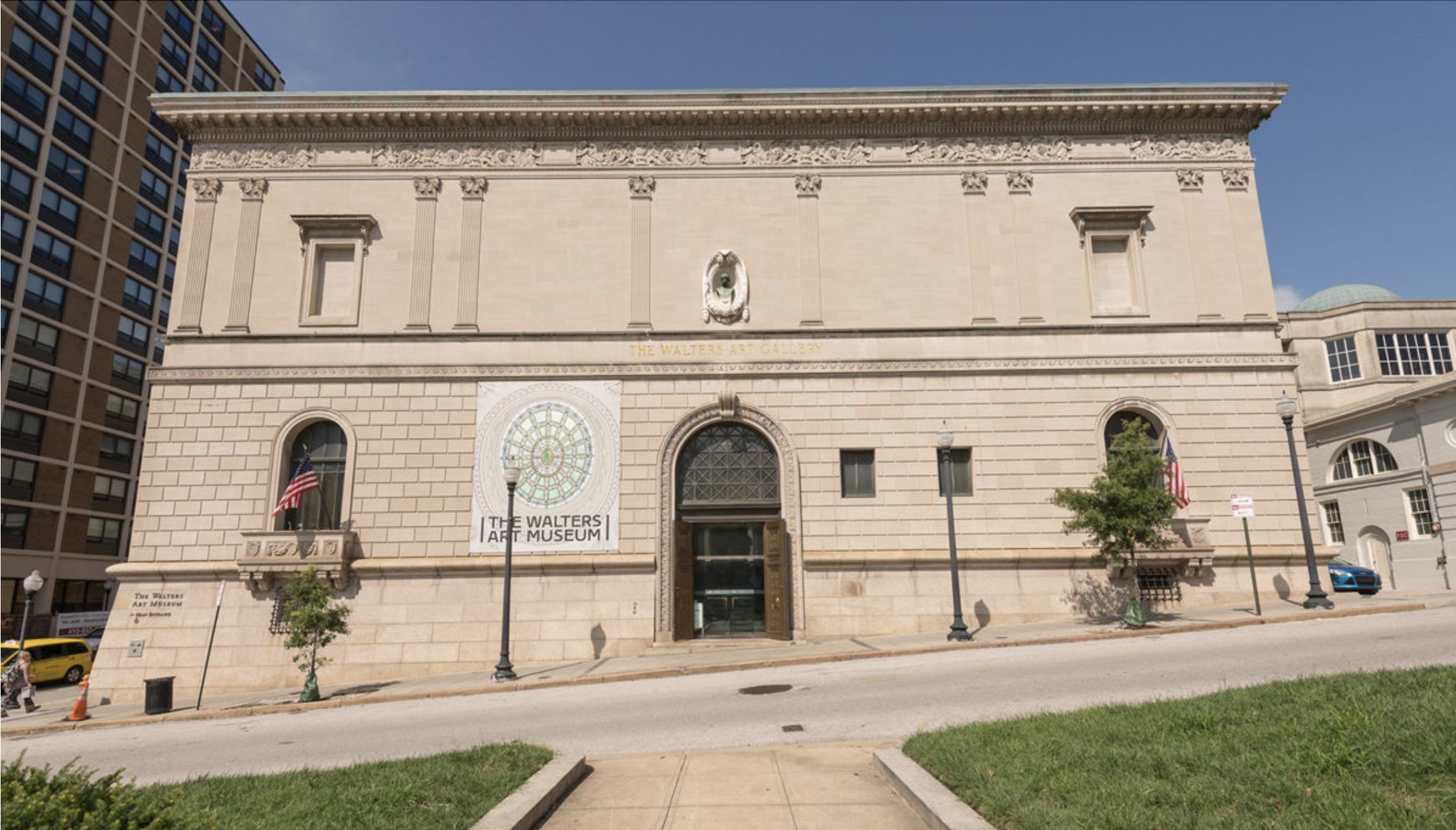

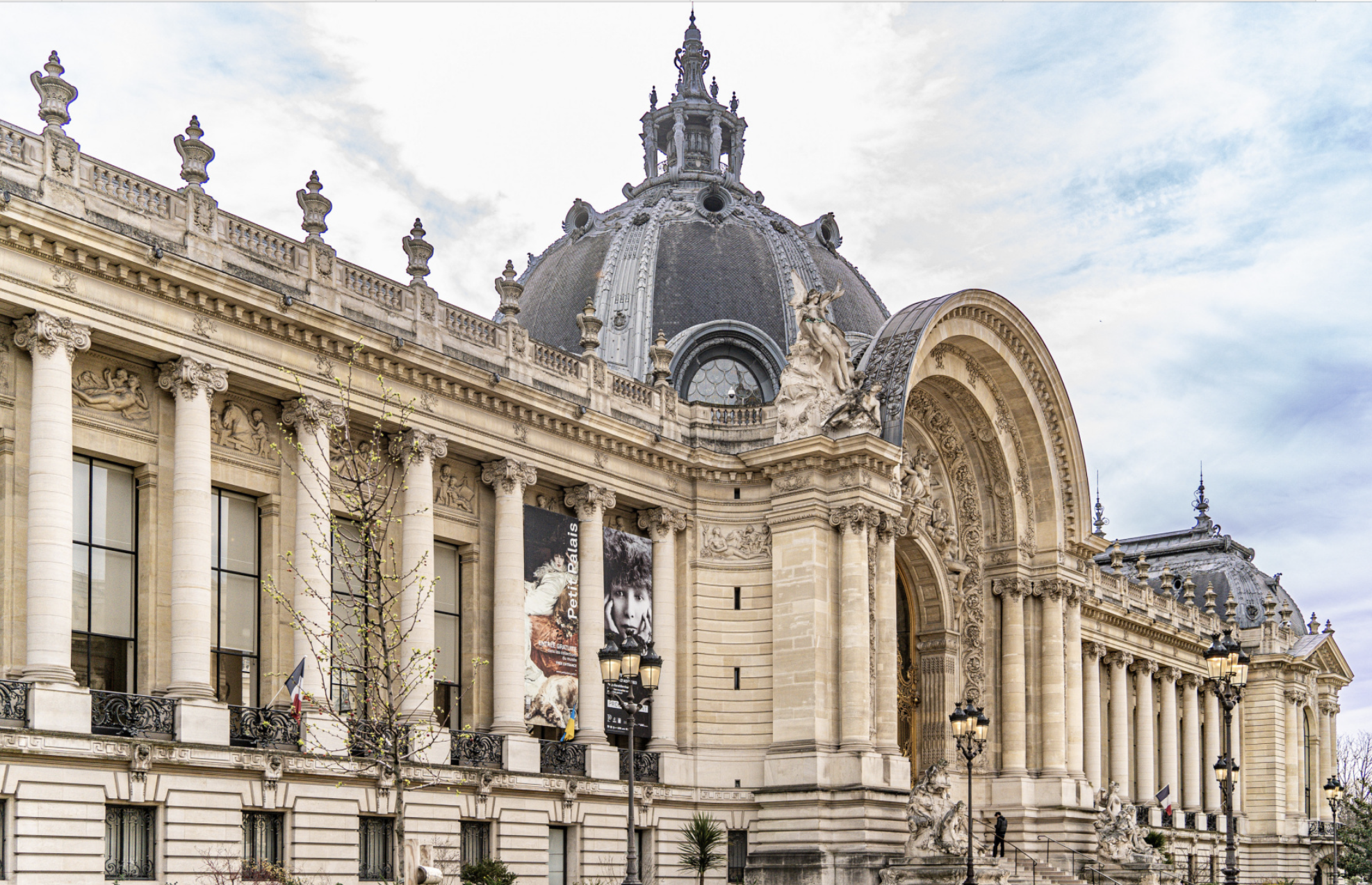

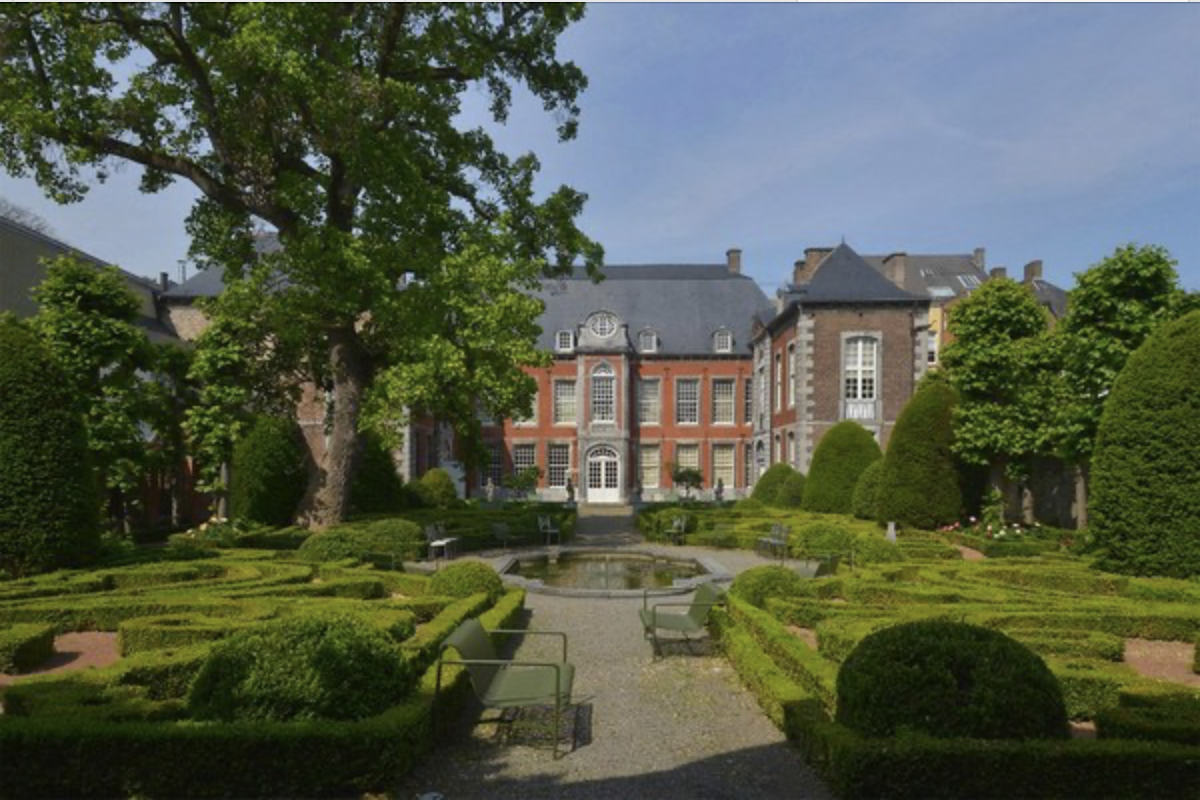


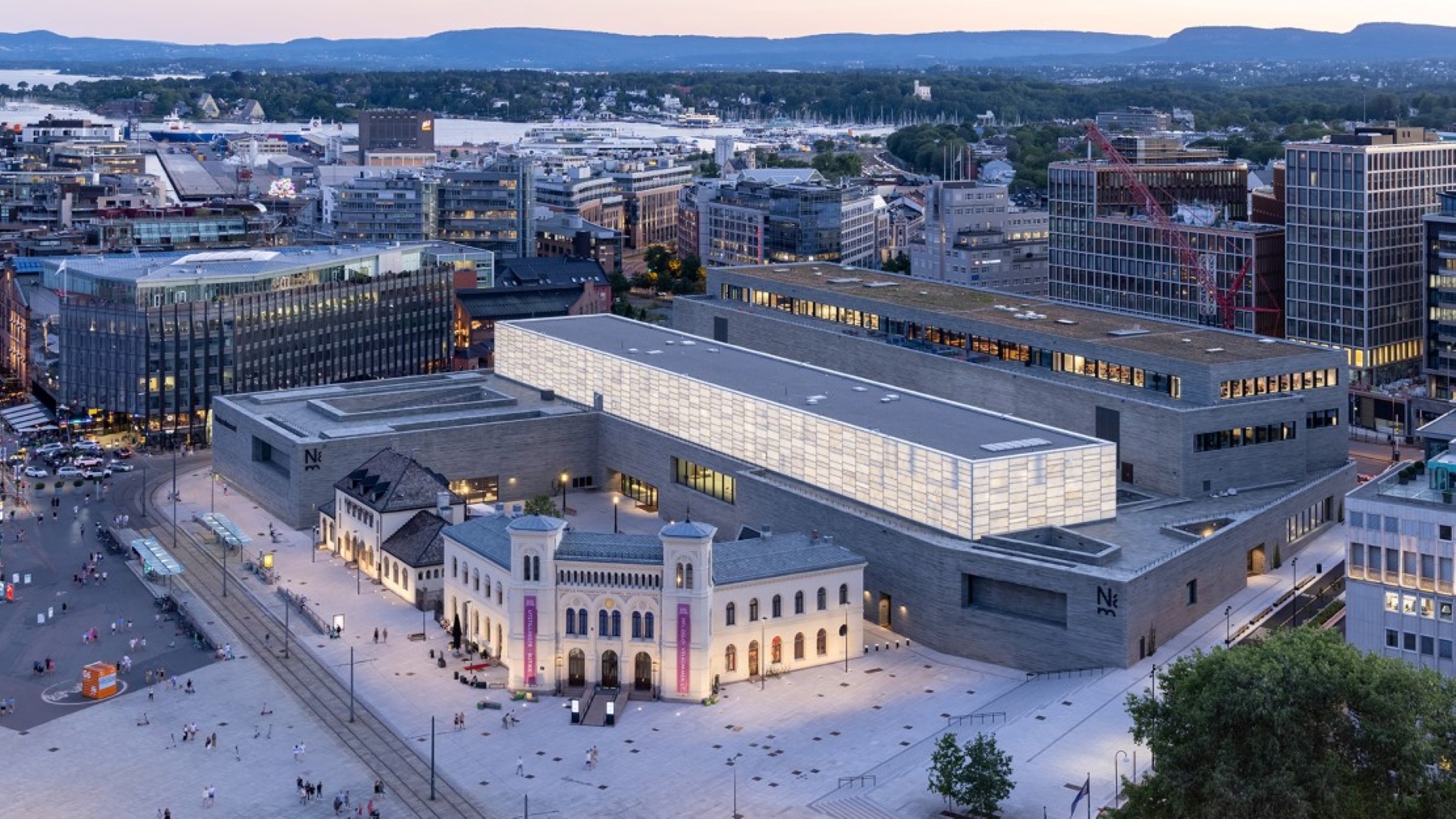
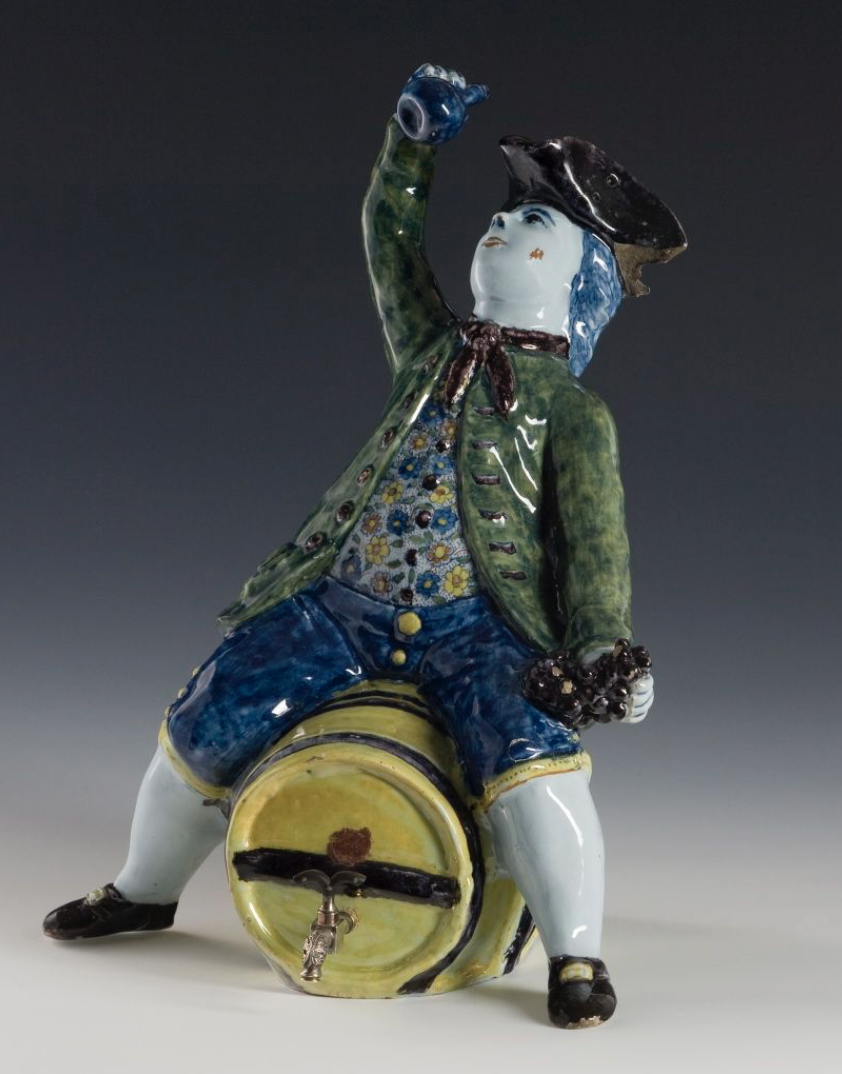
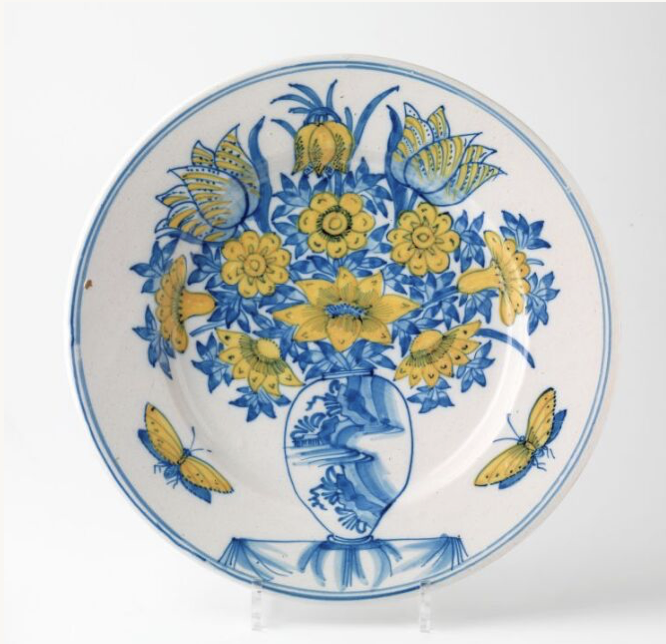 Among its many treasures, the museum houses an impressive collection of Delftware. This collection was originally part of the Art Industry Museum. The origins of the Art Industry Museum date back to 1876, initiated by Professor Lorentz Dietrichson and antiquarian Nicolay Nicolaysen. Founded by the state, it was one of Norway’s first museums and among the earliest art industry museums in Europe. This initiative was likely driven by Norway’s desire to establish itself as an independent nation with a rich cultural identity.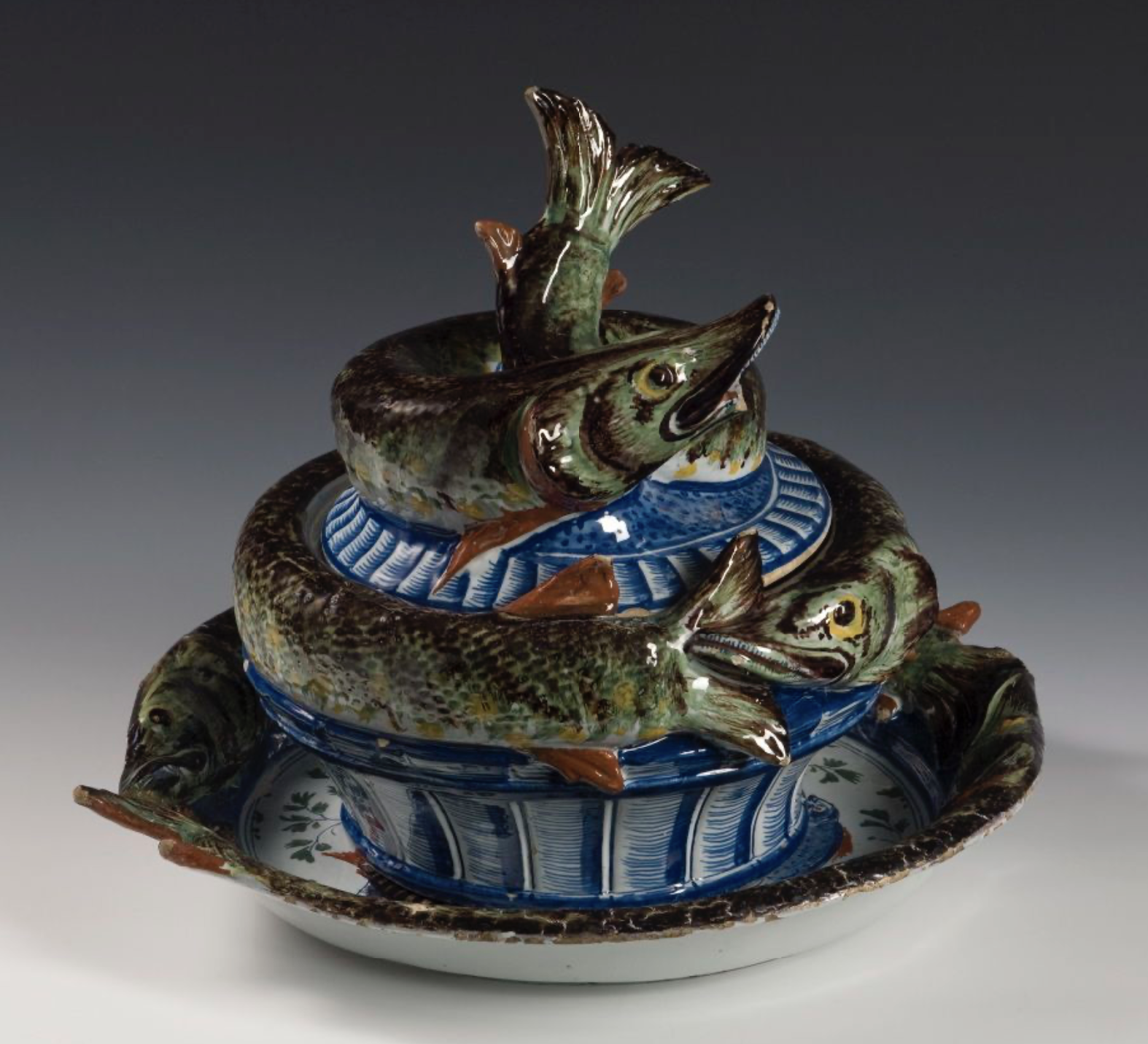
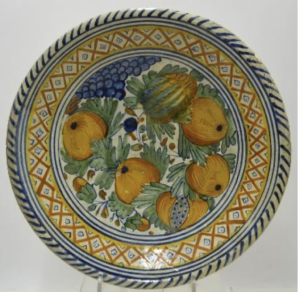
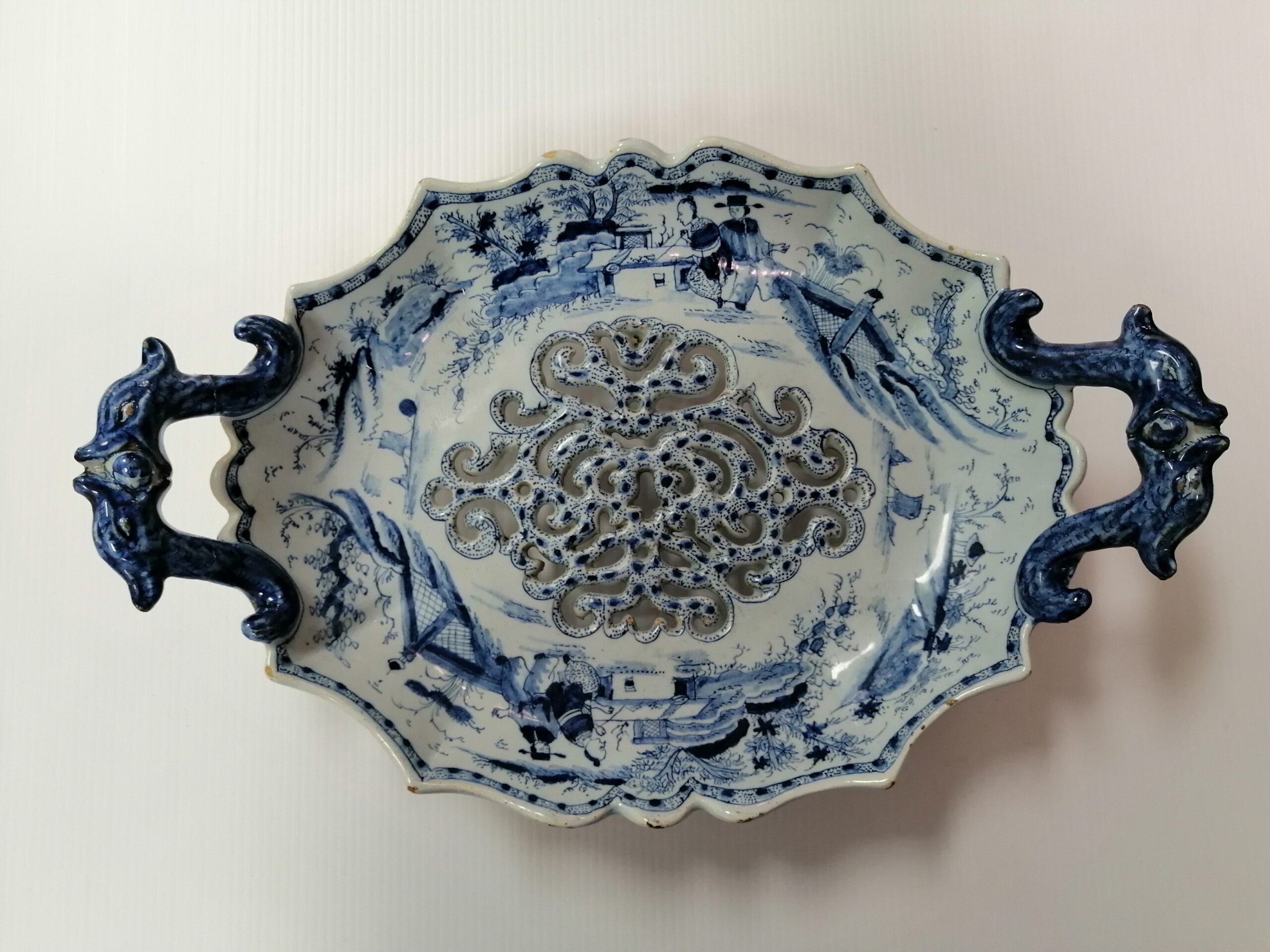
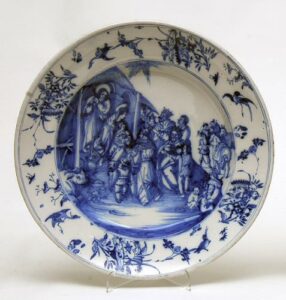
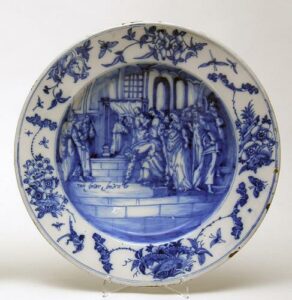 Finally in the autumn of 1650, the ruling of the Court of Holland handed down to the effect that Willem could produce wares with new inventions but not in the manner of porcelain. The last judgment, that of the High Court, is not known; possibly a settlement was reached in the end. This outcome had as result that Willem Verstraeten continued making faience, but at first without the Chinese full decoration, since he had stated in several court cases that the Chinese decoration was the main characteristic of Hollandts porceleyn. Instead of the Chinese decoration he focussed on a more Italian style pattern.
 CHINESE 阿伦森 WEBSITE